How Much Electricity To Charge An Electric Car

So, you're thinking about joining the electric revolution, or maybe you're already cruising silently down the road in your EV. Awesome! One of the first questions that pops into everyone's head is: "How much is this going to cost me to charge?" Let's dive into the electrifying world of EV charging costs and demystify the whole process. It's not as complicated as you might think, and understanding it can save you some serious cash.
The purpose of understanding EV charging costs is simple: to budget effectively and make informed decisions about your driving habits. By knowing how much electricity your car uses and the price you pay for it, you can optimize your charging schedule, choose the most economical charging options, and ultimately, save money. It also helps you compare the running costs of an EV to a gasoline-powered car, solidifying the economic benefits of going electric.
Okay, let's get down to the nitty-gritty. The amount of electricity needed to charge your electric car depends on a few key factors:
Must Read
- Battery Size: EVs have different battery sizes, measured in kilowatt-hours (kWh). A larger battery (say, 75 kWh) will naturally require more electricity to fully charge than a smaller battery (like 40 kWh). Think of it like filling up a bigger gas tank!
- State of Charge: If your battery is nearly empty, it'll need more juice to reach 100% than if it's already half full. Makes sense, right?
- Charging Efficiency: Not all electricity makes it directly into your battery. Some is lost as heat during the charging process. This efficiency varies slightly depending on the car and charger.
So, how do you calculate the actual cost? Here's the formula:
(Battery Capacity in kWh) x (Percentage of Battery to Charge) x (Electricity Price per kWh) = Charging Cost
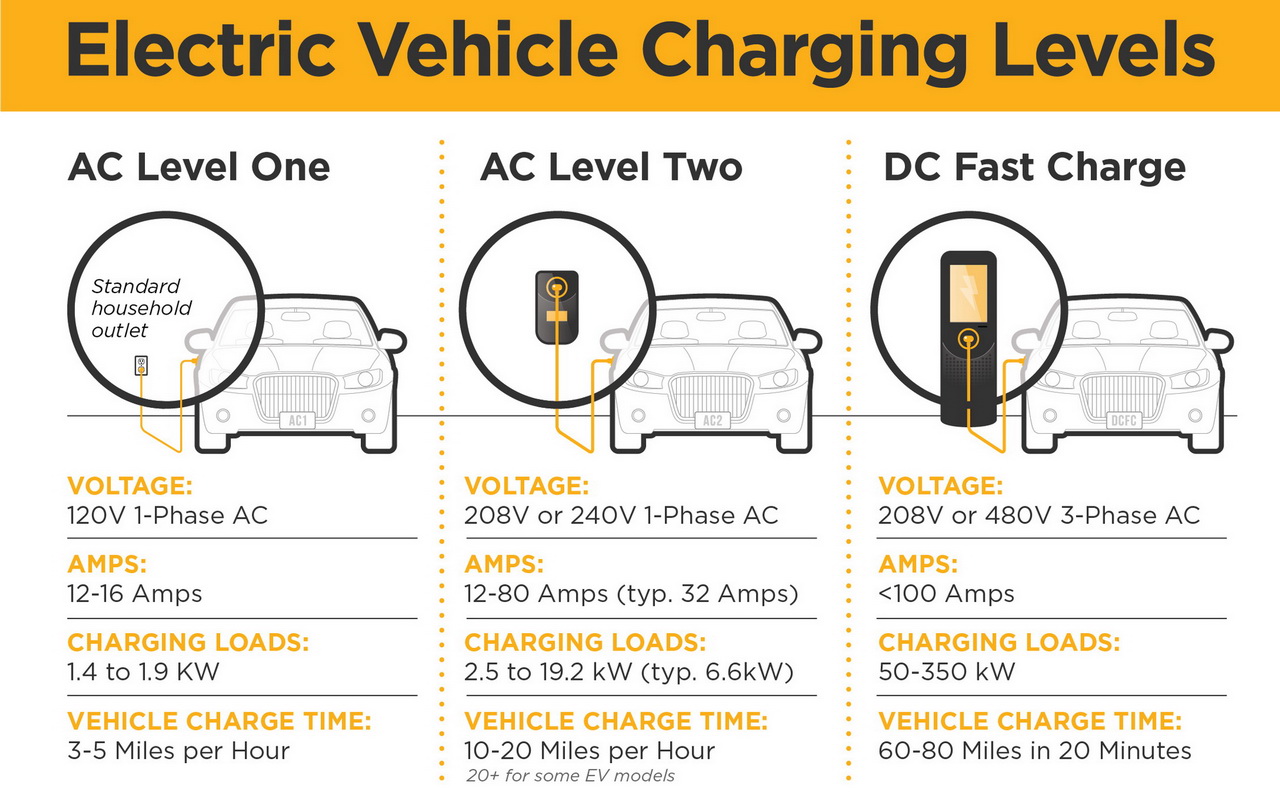
Let's break that down with an example. Imagine you have a 60 kWh battery and you want to charge it from 20% to 80%. That's a 60% charge. And let's say your electricity costs $0.20 per kWh.
(60 kWh) x (0.60) x ($0.20/kWh) = $7.20

So, it would cost you around $7.20 to add that charge to your battery. Not bad, huh?
Keep in mind that electricity prices vary widely depending on your location and the time of day. Many electric companies offer time-of-use rates, where electricity is cheaper during off-peak hours (like overnight). Taking advantage of these rates can significantly reduce your charging costs.
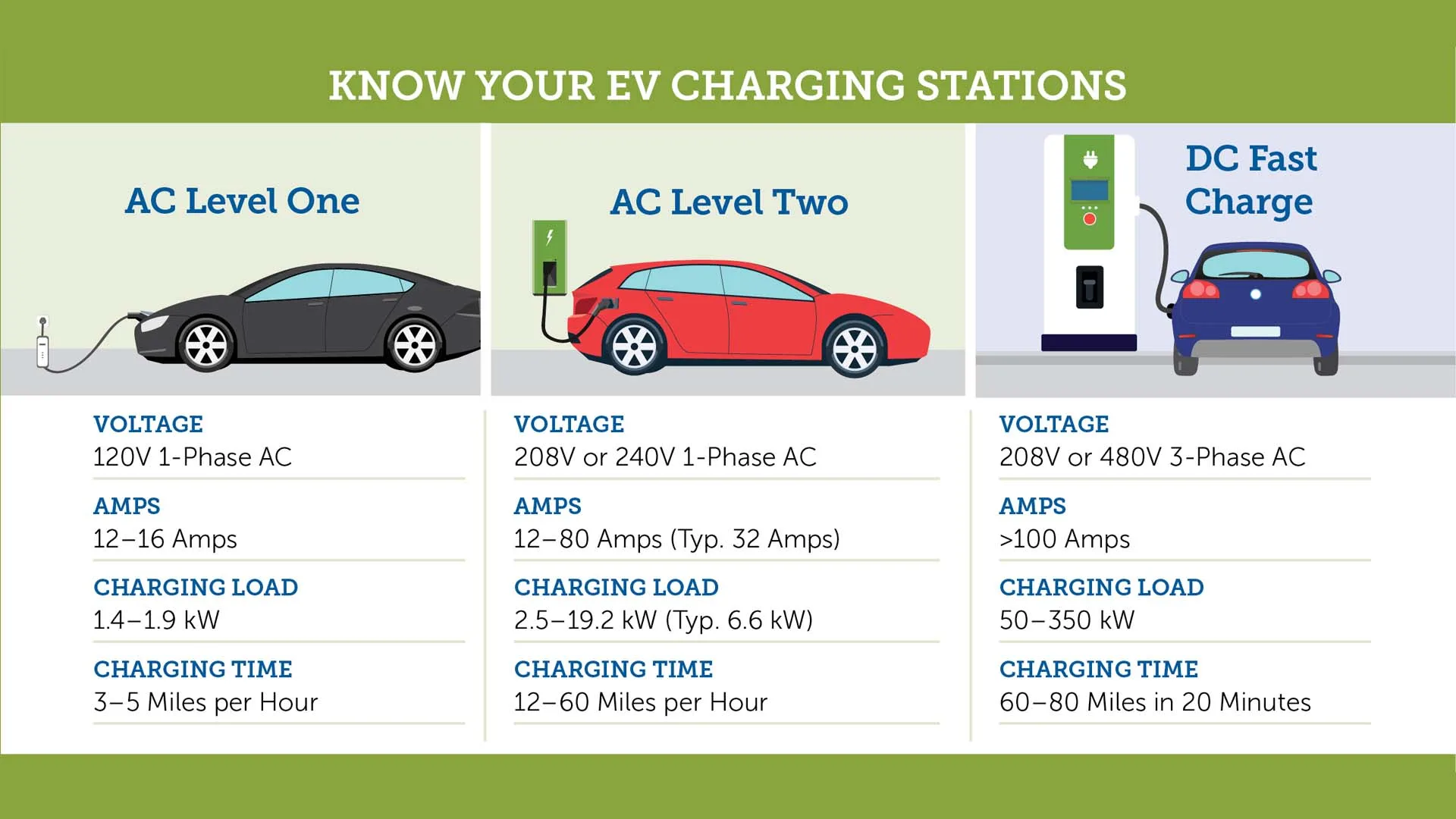
Finally, consider the benefits of charging at home versus using public charging stations. While public stations offer convenience, they often charge higher rates per kWh. Home charging, especially with time-of-use rates, is typically the most economical option. Plus, waking up to a fully charged car every morning? Priceless! Well, actually, it's about $7.20 in our example, but you get the idea!
So, there you have it! Charging your electric car doesn't have to be a mystery. With a little bit of knowledge and some savvy planning, you can keep your EV running smoothly and your wallet happy. Now go forth and conquer the roads, powered by electricity!