
How Much Electricity Is Lost During Transmission

Ever wonder where your electricity comes from? It's a wild journey, let me tell ya! Power plants generate the juice, then it zips through power lines to your home. But guess what? Not all of it makes it. It's like ordering a pizza, but a few slices mysteriously vanish during delivery.
The Great Electricity Escape: Transmission Losses
Yep, it's a real thing. We call it transmission loss. Think of it as the electricity tax we didn't vote for. Basically, it's the power lost as electricity travels through those wires.
So, how much are we talking about? Well, it varies. It depends on the distance, the voltage, and even the weather! But on average, it's around 5-7% in the US. Globally, it can be even higher. Imagine throwing away almost 10% of every pizza you order. Annoying, right?
Must Read
Why does this happen? It's all about physics, baby! Those wires have resistance. As electricity flows, some of it gets converted into heat. It's like rubbing your hands together really fast on a cold day. You create heat, but you’re also losing energy from the rubbing motion.
The Culprits: Distance, Voltage, and Other Villains
Distance is a big one. The further the electricity travels, the more resistance it encounters. Think of it like trying to run a marathon. You're bound to lose some steam along the way!
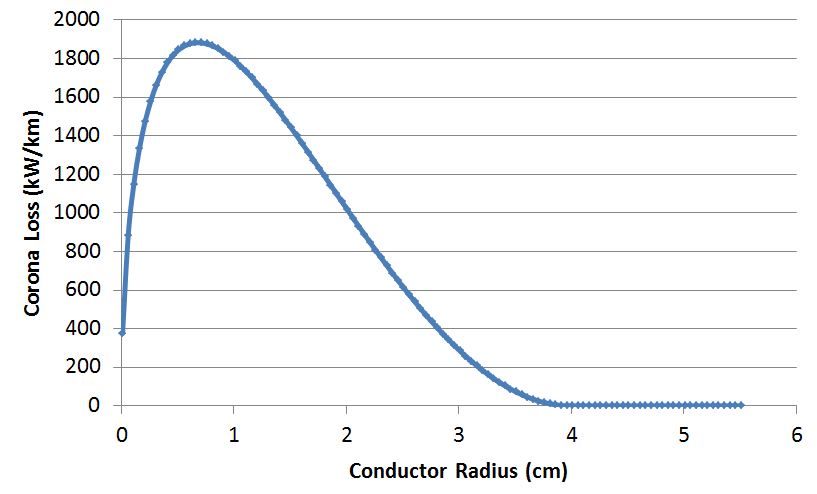
Then there's voltage. Higher voltage helps reduce losses. That's why power companies use massive transformers to "step up" the voltage for long-distance transmission. It's like switching from a bicycle to a sports car – you cover more ground with less effort.
Even the weather plays a role! Hot weather increases the resistance of the wires, leading to more losses. Cold weather? Less losses, but more demand for heating! It's a constant balancing act.
And let’s not forget about outdated infrastructure. Imagine trying to deliver that pizza using a rusty old bike with flat tires. Modernizing the grid is key to reducing losses.

Is it a big deal? You betcha!
Losing 5-7% may not sound like much. But when you consider the sheer amount of electricity we use, it adds up fast! It’s like leaving the tap running constantly. Drip, drip, drip… eventually, you've wasted a whole lot of water.
These losses translate to wasted resources, increased costs, and even more pollution. More power needs to be generated to compensate for the lost power. That means burning more fossil fuels (in some cases) or using more renewable energy sources that could be used elsewhere.
What can we do about it?
Good news! There are ways to minimize these losses.
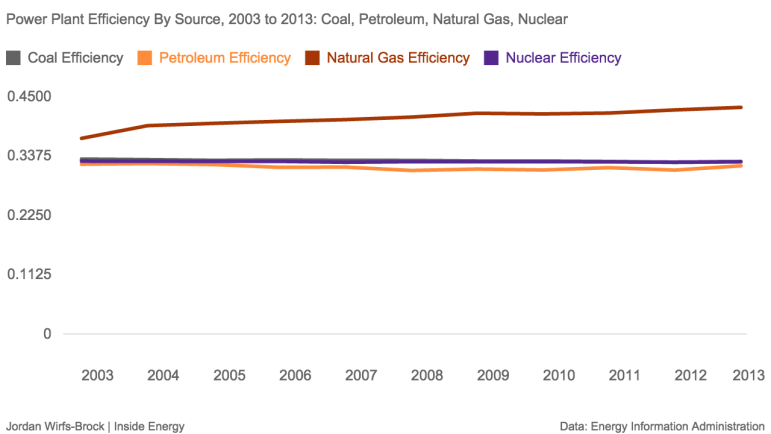
Upgrading infrastructure is huge. Think new, more efficient power lines, smart grids, and better transformers. It's like giving our pizza delivery guy a brand new electric scooter!
High-Voltage Direct Current (HVDC) transmission is another cool technology. It's super efficient for long distances. Picture a high-speed train for electricity!
Distributed generation, like solar panels on rooftops, can also help. Generating power closer to where it's used reduces the distance it needs to travel. It's like having a mini pizza oven in your own kitchen!
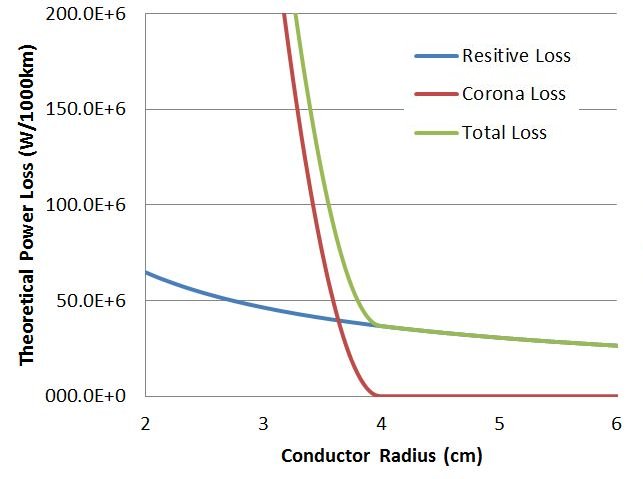
And finally, demand-side management. This means being more energy-efficient and using less electricity overall. Turn off the lights when you leave a room! Unplug chargers when they’re not in use! It’s like only ordering the pizza you actually need, so there's less chance of any slices going missing.
Fun Fact: The World's Longest Power Line
Did you know that China has the world's longest power line? It spans over 3,000 kilometers! Talk about a long pizza delivery route! Imagine the potential for losses on a journey like that. Thankfully, they're using advanced technologies to minimize them.
So next time you flip on a light switch, remember the epic journey your electricity takes. And spare a thought for those few percentage points that vanish along the way. It's a quirky, slightly frustrating, but ultimately fascinating part of our modern world. Now, who's ordering pizza?