How Much Electricity Does The Internet Consume

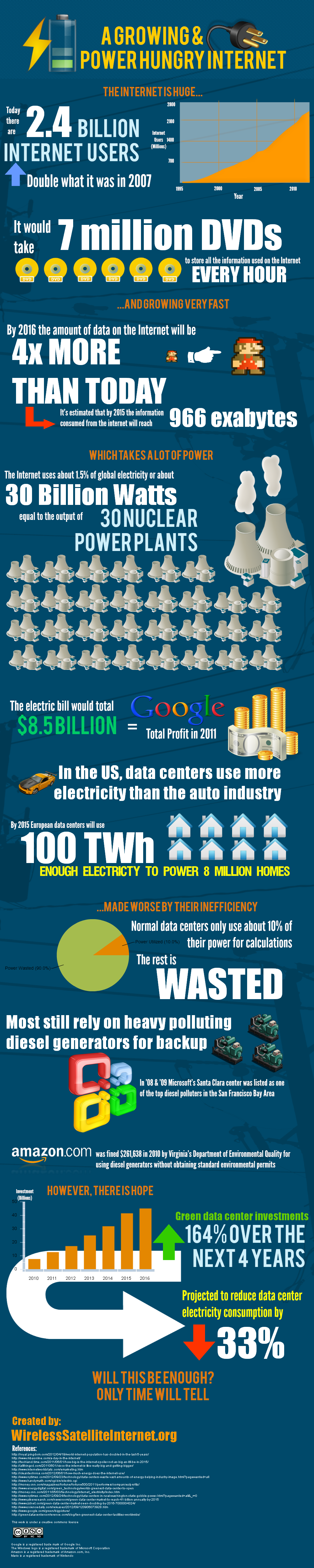
Okay, let’s talk about the internet. You know, that thing you’re probably using right now to read this very article? We love it. We use it to watch cat videos, argue about pineapple on pizza (it doesn’t belong!), and stay connected with loved ones across the globe. But have you ever stopped to think about how much electricity this digital playground actually guzzles?
The answer, my friend, is…a lot. Like, “powering a small country” a lot. Imagine plugging in your laptop to binge-watch your favorite show. Now imagine millions, nay, billions, of people doing the same thing, all at the same time. That’s the internet, folks. It’s a hungry beast, constantly demanding energy to keep the pixels flowing.
Data Centers: The Internet's Power-Hungry Gut
So where does all this energy go? Well, think of the internet as a giant plumbing system, only instead of water, it’s carrying data. All those funny memes, heartfelt emails, and slightly embarrassing search histories need to be stored somewhere. That somewhere is a data center. These are massive warehouses filled with servers, computers, and networking equipment, all humming away 24/7. And keeping all that equipment cool? That requires a ton of electricity. Think industrial-sized air conditioners working overtime, battling the heat generated by all those processors crunching numbers.
Must Read
Think of it like this: your fridge is always on, right? It needs to keep your milk cold and your ice cream frozen. A data center is like millions of fridges, all packed with information and working non-stop. It's a constant, low-level hum of energy consumption that we often don’t even think about.
And it's not just the data centers themselves. It's the entire network. From the Wi-Fi router in your house to the undersea cables that connect continents (yes, really!), every piece of equipment needs power. Consider those undersea cables for a moment. They stretch for thousands of miles, silently transmitting information across oceans. They're like the internet's arteries, and just like arteries, they need a constant supply of energy to function.
Streaming: Your Netflix Habit is Showing...
Then there's streaming. Oh, glorious streaming! We love our Netflix, our Hulu, our Disney+. But every time you fire up an episode of The Great British Baking Show, you're contributing to the internet's energy consumption. All those pixels need to be sent to your screen, and that requires power. And let's be honest, who watches just one episode? It’s a slippery slope, leading to hours of binge-watching and a corresponding increase in electricity usage. You could almost say that Paul Hollywood himself is partially responsible for global energy consumption.
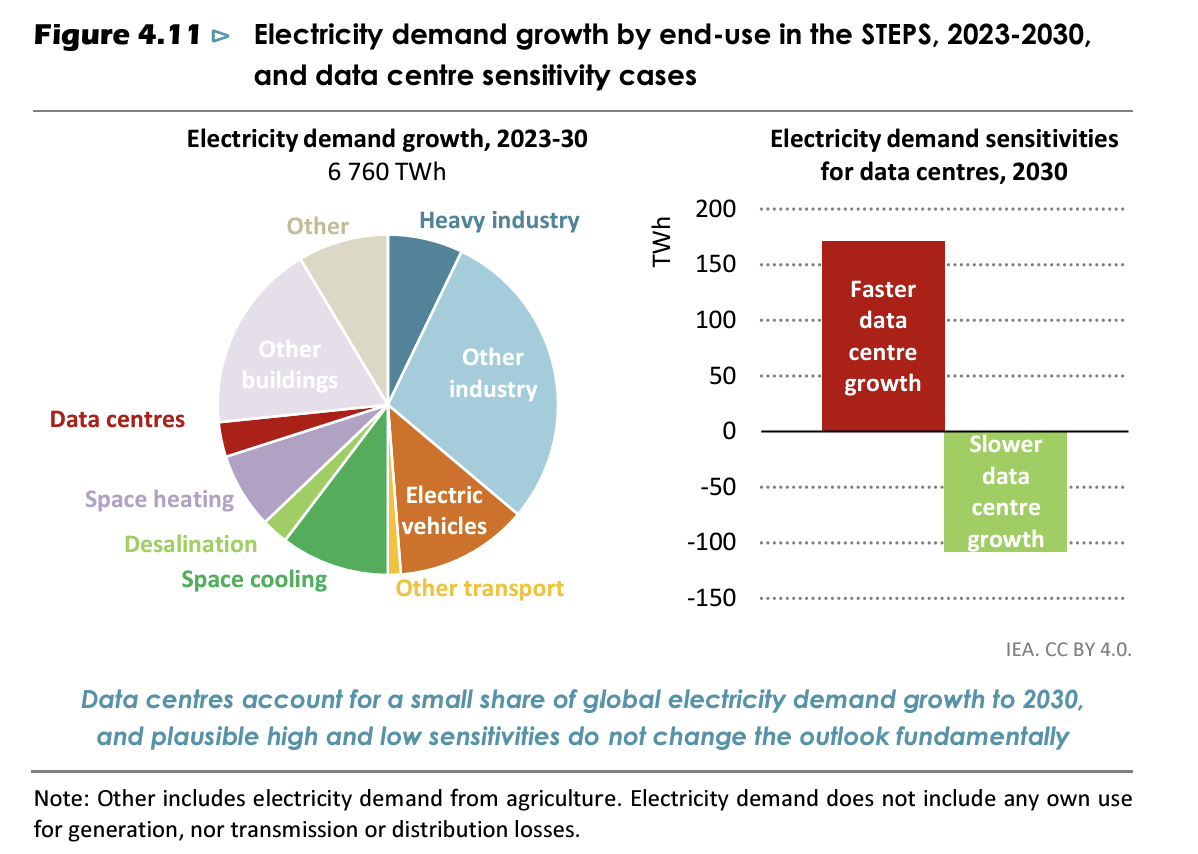
But it’s not all doom and gloom. The good news is that the internet is getting more energy-efficient. Companies are constantly developing new technologies and strategies to reduce their carbon footprint. They’re using renewable energy sources like solar and wind power to power their data centers. They're also developing more efficient servers and cooling systems. Every little bit helps.
Think about switching to streaming in lower resolution. Do you really need to watch that cat video in 4K? Maybe not. Or you can download shows beforehand over Wi-Fi. That way, you won’t use cellular data and you will save a bit of energy.
The Cloud's Silver Lining
And let’s not forget about the benefits of the internet. It allows us to work remotely, reducing the need for commuting. It enables us to access information and education from anywhere in the world. It connects us with people we might never have met otherwise. The internet has revolutionized our lives in countless ways.

So, the next time you're scrolling through your social media feed or video calling with family, take a moment to appreciate the sheer scale and complexity of the internet. It's a technological marvel, powered by a vast network of energy-guzzling equipment. But it’s also a force for good, connecting us, informing us, and entertaining us. And with continued innovation and a little bit of awareness, we can make it a more sustainable force for good.
After all, we wouldn’t want to unplug from the internet, would we?
"The Internet is like a giant brain, and we're all connected to it." - someone, probably.