
How Much Electricity Does Solar Energy Produce
Ever wondered how much juice those shiny solar panels on your neighbor's roof are actually making? It's a question that might seem dry, like counting grains of sand on a beach. But trust me, the answer is surprisingly fascinating and a little bit like watching a superhero origin story unfold every sunny day.
The Sun: Our Gigantic, Free Battery
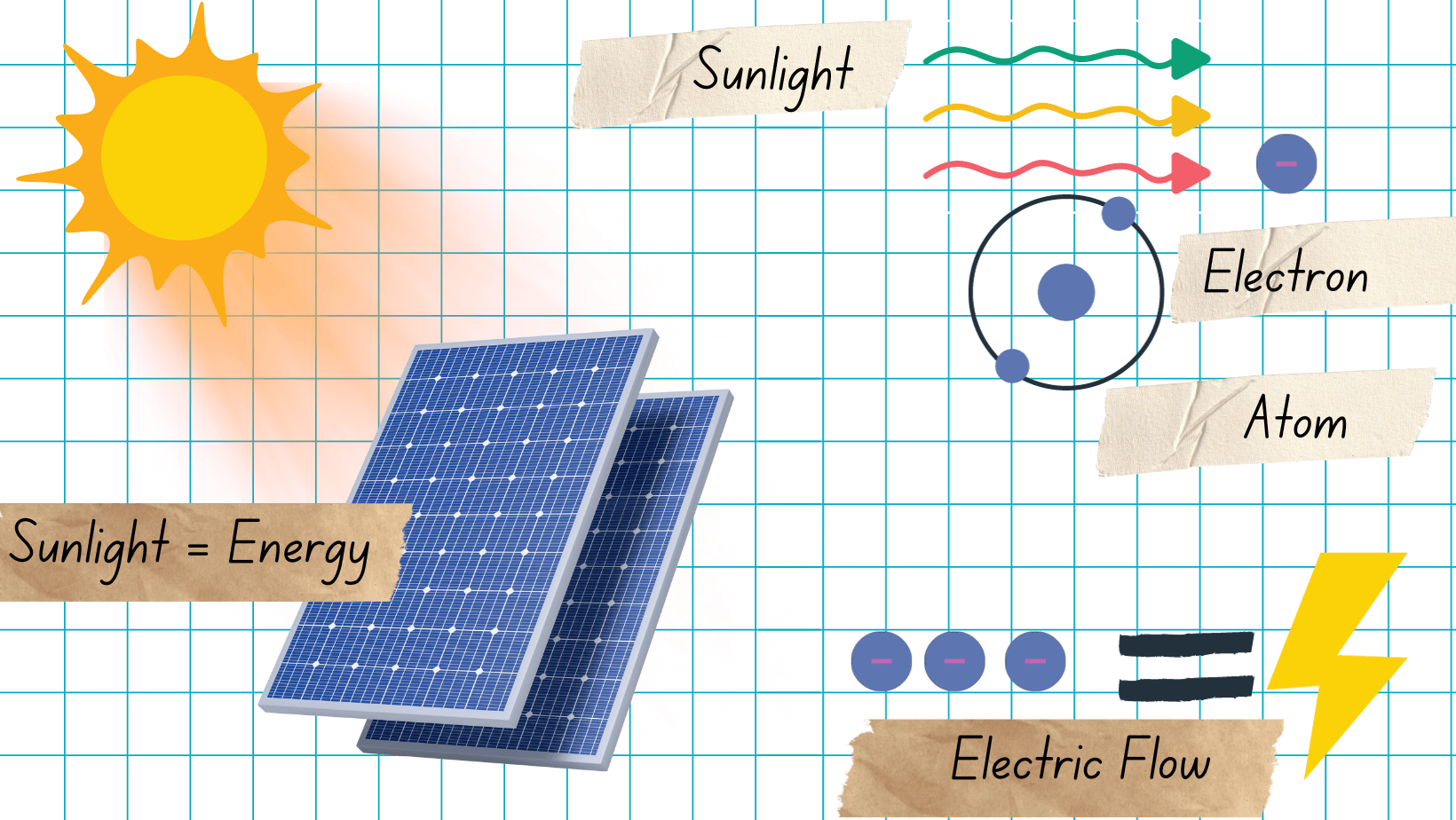
Think of the sun as a giant, free battery in the sky, constantly showering us with energy. Our mission, should we choose to accept it, is to catch some of that energy and turn it into electricity. That's where solar panels come in, acting like tiny energy sponges.
They're made of special materials that, when sunlight hits them, get all excited and start pushing electrons around, creating an electric current. It's like a tiny, microscopic dance party powered by the sun!
Must Read
Watts, Kilowatts, and the Power of a Hair Dryer
Now, let's talk numbers, but don't worry, we'll keep it light. We measure electricity in watts. A typical hair dryer might use around 1500 watts, or 1.5 kilowatts (kW). Think of a kilowatt as 1000 little electrical ponies all working together.
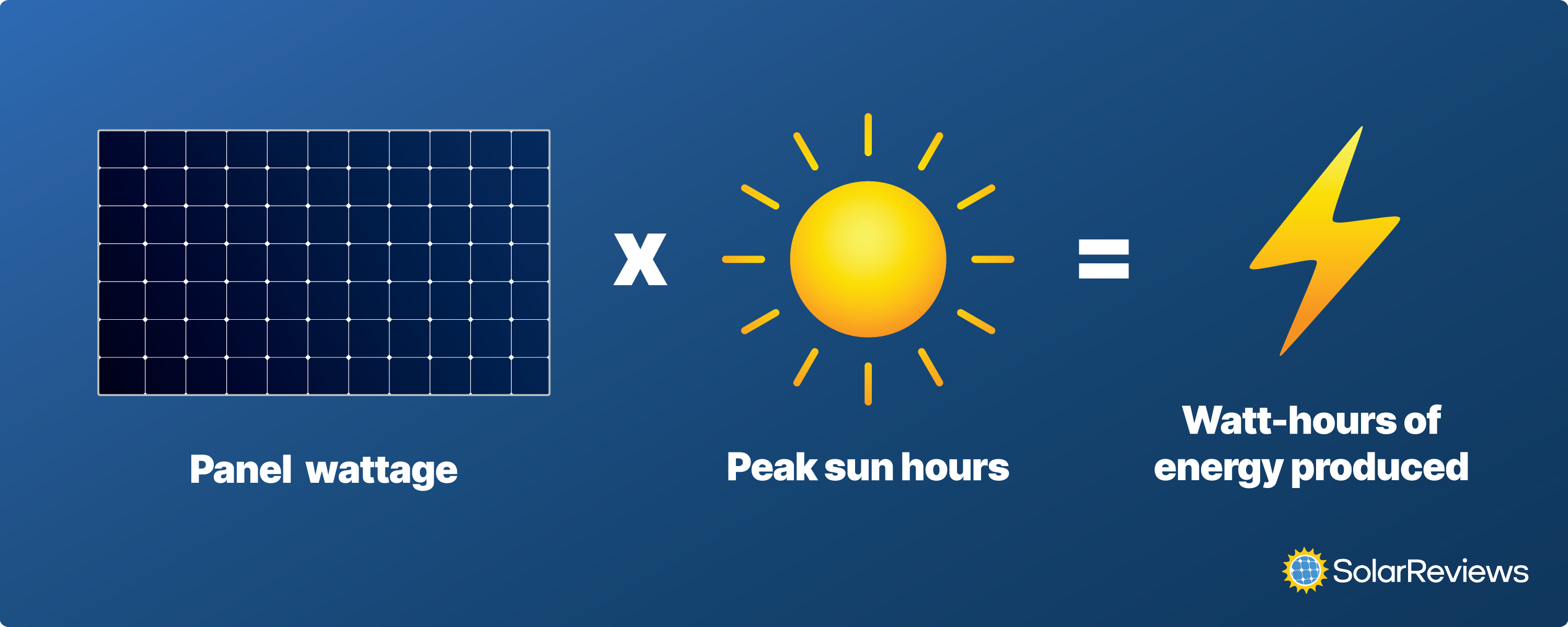
A single solar panel might produce anywhere from 250 to 400 watts under ideal conditions. That's not enough to power your hair dryer, but it's a good start. Imagine a whole army of these panels working together!
The actual amount a solar panel produces depends on many things: the panel's size, the quality of its materials, how sunny it is, and even the angle of the sun. It's like a finicky plant that needs just the right conditions to thrive.
How Much for My Home? A Solar Panel Reality Check
Okay, let's get practical. How much solar energy does your average home actually need? That depends on your energy consumption, which is like your home's electrical appetite.
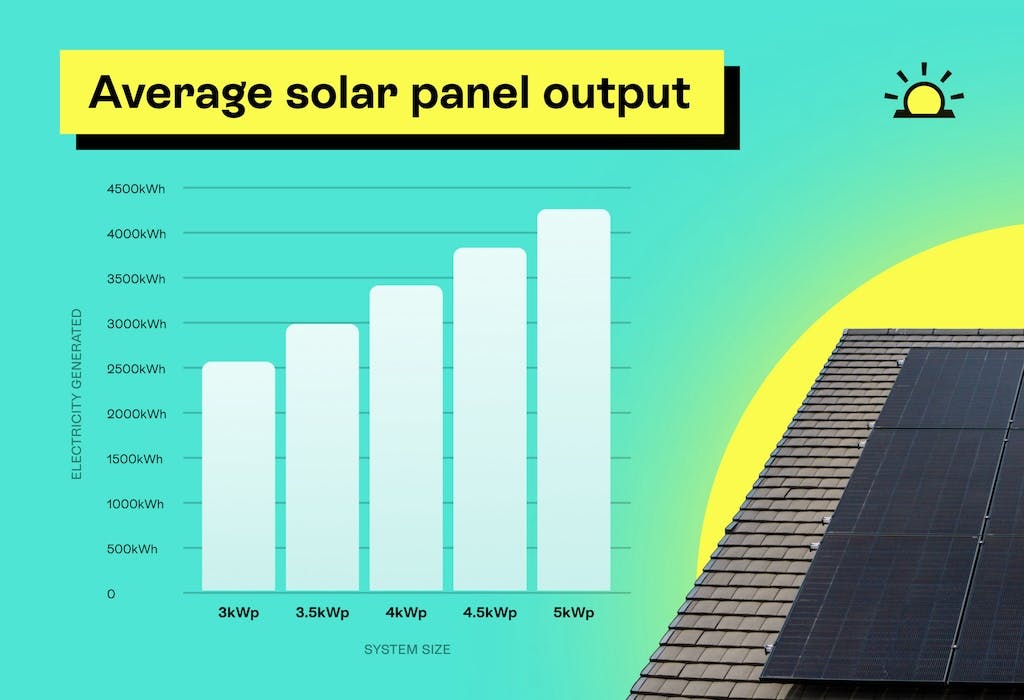
A typical American home uses around 10,000 kilowatt-hours (kWh) of electricity per year. To generate that much electricity with solar panels, you'd typically need a system of about 5 to 7 kilowatts in size.
![How much electricity do solar panels produce? [UK, 2025]](https://images.prismic.io/sunsave-website/Z64Jh5bqstJ9-lRu_Cutyourenergybillswithsolar-final-.png?auto=format,compress)
This system might consist of around 15 to 25 solar panels, depending on their wattage. It's like having your own mini power plant on your roof!
Beyond the Panels: The System's Support Crew
But it's not just about the panels. You also need an inverter, which is a device that converts the direct current (DC) electricity produced by the panels into alternating current (AC) electricity, which is what our homes use. The inverter is the unsung hero of the solar power system.
Then there's the racking system, which holds the panels in place on your roof. And of course, the wiring that connects everything together. It's like a complex electrical ecosystem.
Think of it like this: the panels are the musicians, the inverter is the conductor, and the racking system is the stage. Everyone plays their part in the solar symphony.
The Location, Location, Location Factor
The amount of sunlight a location receives is crucial. Sunny states like Arizona and California are naturally better suited for solar power than cloudy states like Washington or Oregon. But even cloudy states can benefit from solar energy.
![35 Latest Solar Power Statistics, Charts & Data [2025]](https://theroundup.org/wp-content/uploads/2022/02/global-annual-solar-energy-production.png)
In fact, Germany, which isn't exactly known for its sunshine, is a world leader in solar power. They've proven that even with less sunlight, solar energy can still make a significant contribution.
It's all about making the most of what you've got. Every ray of sunshine counts, even on a cloudy day.
The Surprising Benefits: Beyond the Electricity Bill
The most obvious benefit of solar energy is the reduction in your electricity bill. Imagine getting a smaller bill every month, thanks to the sun's free energy. It's like getting a monthly gift from Mother Nature.
But there are other, less obvious benefits too. Solar panels can increase the value of your home. They also reduce your carbon footprint, helping to protect the environment.
It's a win-win-win situation: good for your wallet, good for your home, and good for the planet.
The Humorous Side: Solar Power Fails
Of course, things don't always go according to plan. There are stories of solar panels being installed upside down, or being covered in bird droppings, reducing their efficiency. It's like Murphy's Law for solar energy.
And then there's the issue of snow. A heavy snowfall can completely cover solar panels, preventing them from generating any electricity. It's like a solar power snow day.
But even with these occasional hiccups, solar energy is still a reliable and cost-effective source of power.
The Heartwarming Aspect: Powering Communities
Perhaps the most heartwarming aspect of solar energy is its ability to power entire communities. In developing countries, solar panels are being used to bring electricity to remote villages that have never had it before.
Imagine the impact of having light at night, being able to charge your phone, or being able to run a refrigerator to store food. Solar energy is changing lives in profound ways.
It's a testament to the power of human ingenuity and the sun's boundless energy.
The Future is Bright: More Solar Power on the Horizon
The future of solar energy is bright. As technology improves and costs continue to fall, solar power is becoming more and more accessible to everyone.
New types of solar panels are being developed, including flexible panels that can be installed on curved surfaces, and transparent panels that can be used as windows. The possibilities are endless.
So next time you see a solar panel, take a moment to appreciate the amazing technology that's harnessing the power of the sun to create clean, renewable energy. It's a story of innovation, sustainability, and a little bit of sunshine.
The Bottom Line: How Much Electricity?
To recap, a typical home solar system (5-7kW) can produce around 10,000 kWh of electricity per year, depending on location and other factors.
It's enough to significantly reduce or even eliminate your electricity bill.
So, are you ready to join the solar revolution? The sun is shining, and the future is bright! Embrace the power of solar energy!