
How Much Electricity Does Christmas Lights Use
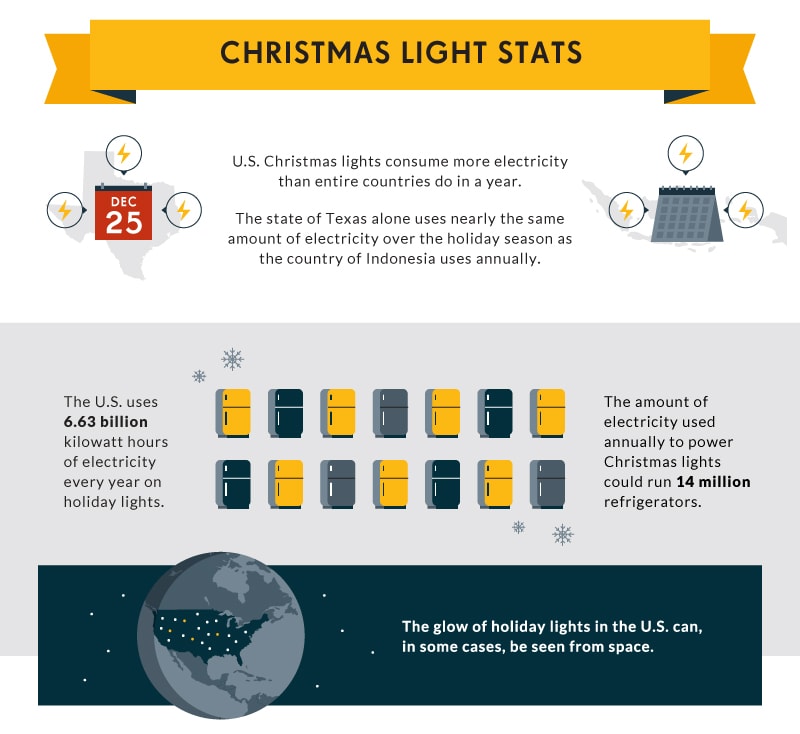
Okay, let's talk Christmas lights. Those twinkly, cheerful little beacons of holiday joy! We all love 'em, right? But have you ever stopped to wonder just how much electricity they're slurping up while they're spreading that festive cheer? Probably not! And honestly, who wants to think about electricity bills when you're humming along to Mariah Carey? But trust me, a little knowledge can go a long way. It might even save you enough money for an extra gingerbread latte!
The Great Christmas Light Power Drain: A Gentle Introduction
First things first, let's ditch the scary technical jargon. We're not going to dive into volts and amps and watts until your eyes glaze over. Instead, think of it like this: your Christmas lights are like tiny little sipping straws attached to the giant energy drink that powers your house. The more lights, the more straws, and the faster that energy drink gets drained. Simple, right?
Now, the amount each straw sips (that's electricity, folks!) depends on the type of lights you're using. We've got two main contenders: the old-school incandescent bulbs, and the newer, cooler LED lights. Think of incandescent lights as that vintage gas-guzzling car your grandpa used to drive. They look cool, but they eat up a lot of fuel. LEDs, on the other hand, are like a sleek new electric car. Super efficient, and much kinder to your wallet and the environment.
Must Read
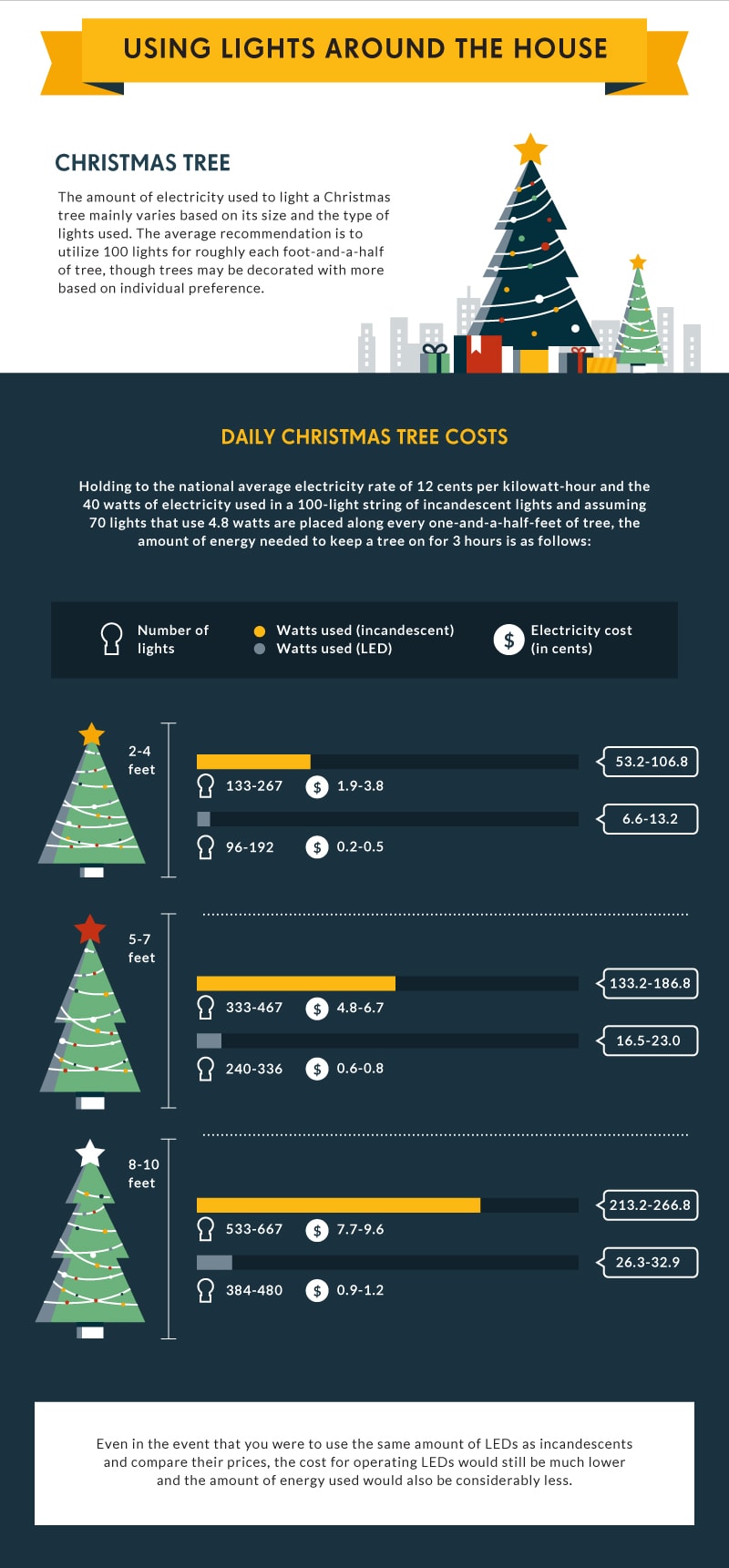
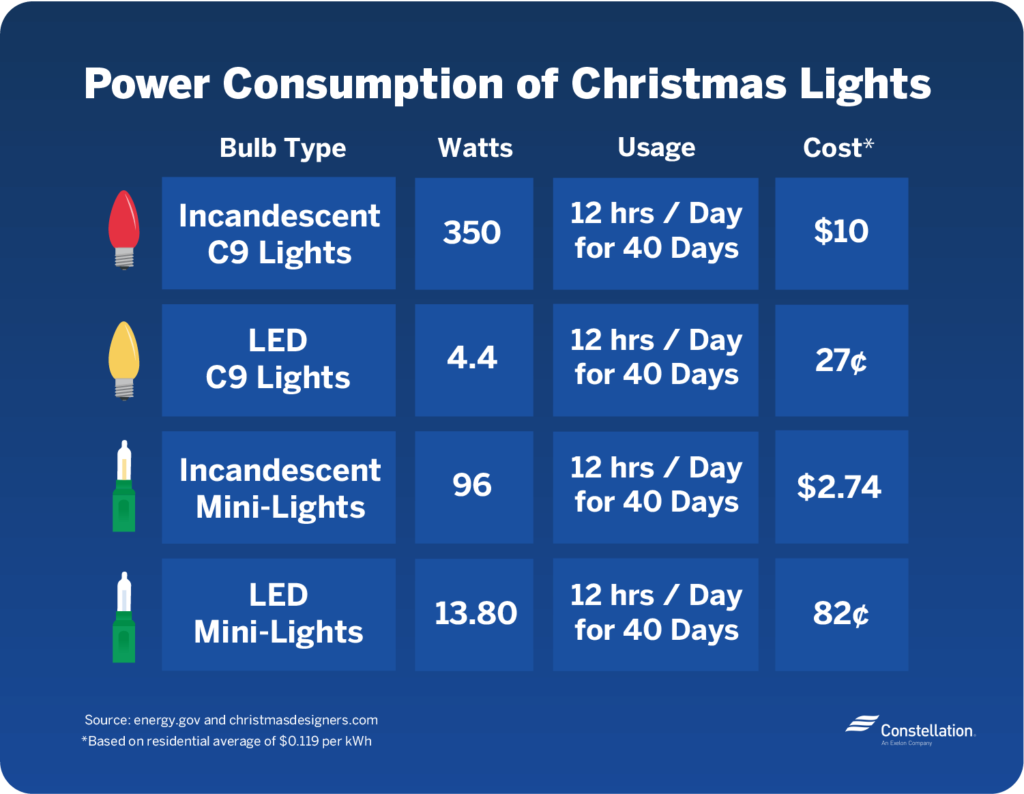
Incandescent lights, those classic, warm-toned beauties, are the biggest energy hogs. A string of, say, 100 incandescent bulbs can use up to 40 watts of power. Doesn't sound like much, does it? But let's say you have three strings of those bad boys twinkling for six hours every night for a month. That adds up! You're essentially paying for a small space heater that happens to look pretty.
LED lights are the heroes of our story. These little guys are incredibly efficient. A string of 100 LED lights might only use around 10 watts. That's a huge difference! We're talking about potentially saving you a noticeable amount of money on your electricity bill. Imagine taking that extra cash and treating yourself to a delicious holiday dinner, or maybe even contributing to a great cause. Feels good, doesn't it?
A Real-World Example (Because Numbers Can Be Scary)
Let's put it into perspective. Imagine you're baking Christmas cookies. Using your oven for an hour probably uses around 2000-3000 watts. A string of 100 incandescent lights, running for that same hour, might use 40 watts. It sounds small, but if you have multiple strings, or leave them on for hours every night, it adds up to a considerable amount of oven time! Switching to LEDs is like trading that gas-guzzling oven for a super-efficient convection oven – you still get delicious cookies, but without the energy waste.
Also, consider this: that inflatable snowman on your lawn? Yeah, that's probably using more electricity than your Christmas lights! Those things are essentially powered by small fans that run constantly, keeping them inflated. So, maybe think twice before adding Mr. Frosty to your festive display.
Why Should You Care? (Besides Saving Money!)
Okay, so saving money is great. But there's more to it than just that. By using less electricity, you're also being kinder to the environment. Electricity production often involves burning fossil fuels, which contributes to pollution and climate change. By making a simple switch to LED lights, you're reducing your carbon footprint and helping to create a healthier planet for everyone.
Think of it like this: every little bit helps. One person switching to LED lights might not seem like a big deal, but when thousands, or even millions, of people do it, it can make a real difference. It's like recycling! One person recycling a can doesn't save the world, but collectively, we can make a positive impact.
Simple Steps to a Brighter (and More Efficient) Christmas
So, what can you do? Here are a few easy tips to keep in mind this holiday season:
- Switch to LED lights: Seriously, this is the easiest and most effective thing you can do.
- Use a timer: Set your lights to turn on only when you're actually around to enjoy them. No need to leave them on all night!
- Unplug when not in use: Even when turned off, some electronics still draw a small amount of power. Unplugging them completely eliminates this "phantom load."
- Consider solar-powered lights: These are a great option for outdoor decorations.
- Be mindful of inflatable decorations: These can be major energy hogs.
In conclusion, don't feel like you have to sacrifice the magic of Christmas lights to save energy. By making a few simple choices, you can still enjoy a festive display while being mindful of your energy consumption and your impact on the environment. Happy holidays, and happy saving!
