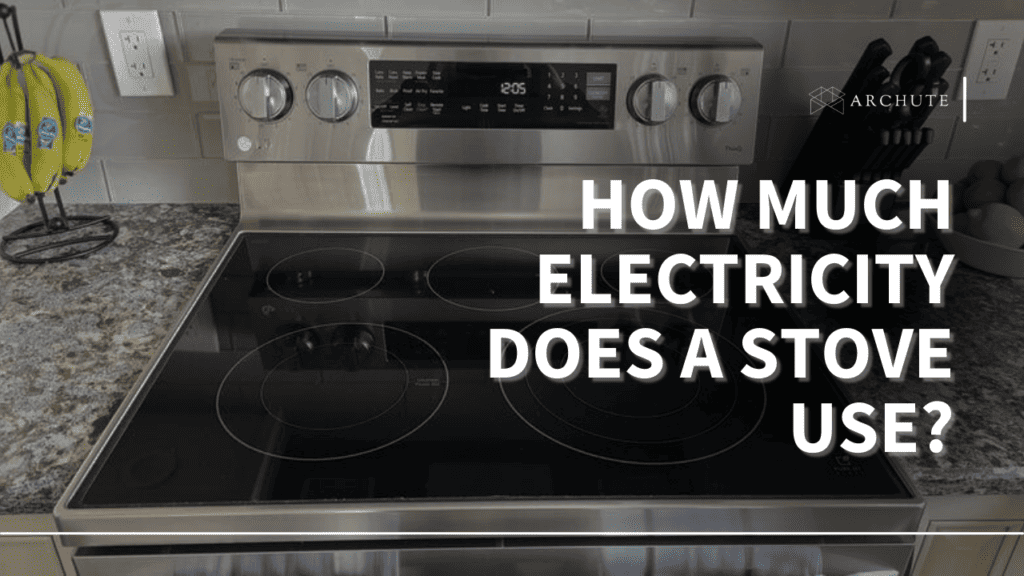
How Much Electricity Does An Electric Stove Use
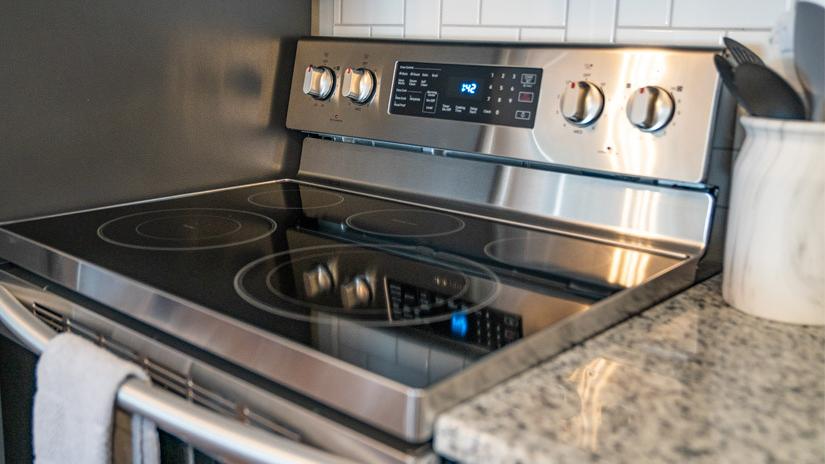
Alright, let's talk electric stoves. They're the unsung heroes of many a kitchen, silently simmering sauces and baking up memories. But have you ever paused mid-stir to wonder, "Just how much juice is this thing sucking up?" It's a fair question, especially with those electricity bills creeping higher than your sourdough starter on a hot day.
So, let's break it down. The energy consumption of an electric stove isn't a one-size-fits-all answer. Think of it like ordering coffee: a quick espresso is a lot different than a venti caramel macchiato. Several factors come into play.
Watt's Cooking? Understanding the Basics
First, we need to talk watts. Most electric stoves have burners ranging from around 1,200 watts for a smaller burner to over 3,000 watts for a larger, high-powered one. The oven itself can draw anywhere from 2,000 to 5,000 watts. That’s a significant range! These numbers are usually stamped somewhere on the stove itself – often on the back or underneath a burner.
Must Read
To understand how much energy the stove use, let's use a simple calculation: Watts x Hours Used / 1000 = Kilowatt-hours (kWh). kWh is what you're charged for by your electric company. For example, a 1500-watt burner used for one hour will consume 1.5 kWh.
But hold on, it's not quite that straightforward. Burners don't always run at full power. They cycle on and off to maintain the desired temperature. The oven is similar - it heats up, then maintains the temperature. So it is not consuming the full wattage.

Factors That Influence Electricity Usage
Besides wattage, here are some things that influence how much your electric stove is drinking up:
- Type of Stove: Older stoves are generally less efficient than newer, energy-efficient models. Induction cooktops, while technically electric, are often more energy-efficient because they heat the pan directly, not the surrounding air. They’re like the sleek, minimalist Scandinavians of the stove world.
- Cooking Habits: Are you a quick-meal kind of chef, or do you spend hours simmering stews like your Nonna used to? Longer cooking times mean more energy consumption.
- Temperature: Blasting the heat on high for everything? Lowering the temperature, when appropriate, can save energy. Think of it like driving: flooring the gas guzzles fuel faster than a leisurely Sunday drive.
- Oven Usage: Opening the oven door frequently lets heat escape, forcing the oven to work harder (and use more electricity) to maintain the temperature. Resist the urge to peek every five minutes!
- Pan Size and Material: Using a small pan on a large burner wastes energy. Similarly, using good quality cookware allows even distribution of heat.
Practical Tips for Saving Energy
Alright, enough with the theory. Let's get practical. Here are some easy ways to cut down on your electric stove's energy consumption:

- Use the Right Burner: Match the pan size to the burner size. It's basic, but effective.
- Lid It Up: Cover your pots and pans when cooking. This traps heat and reduces cooking time. It's like giving your food a cozy little sauna.
- Cook Multiple Dishes at Once: If you're using the oven, bake or roast multiple dishes simultaneously. Think batch cooking, like a culinary multi-tasking ninja!
- Consider a Smaller Appliance: For smaller tasks like reheating leftovers, a microwave or toaster oven is often more energy-efficient than using the full-size oven.
- Defrost Food Properly: Thawing food in the refrigerator overnight reduces cooking time. This is both a safety and energy saving tip.
- Clean Regularly: Keep your burners and oven clean. A clean oven heats more efficiently. Think of it as giving your stove a spa day.
- Consider Induction: If you are considering to change the old electric stove, think about induction stove. It may worth the money for the energy saving.
Beyond the Kitchen: A Broader Perspective
Understanding how much electricity your electric stove uses is just one piece of the puzzle. It’s part of a larger conversation about energy consumption, sustainability, and our impact on the planet. Like the butterfly effect, even small changes in our daily habits, like using the right burner or resisting the urge to peek in the oven, can have a ripple effect, contributing to a more sustainable future.
So, the next time you're whipping up a culinary masterpiece, take a moment to consider the energy you're using. It’s not about sacrificing delicious meals; it's about making informed choices that are good for both your wallet and the environment. And who knows, maybe you'll even discover a new appreciation for the humble electric stove and its role in our daily lives.