
How Much Electricity Does An Average House Use
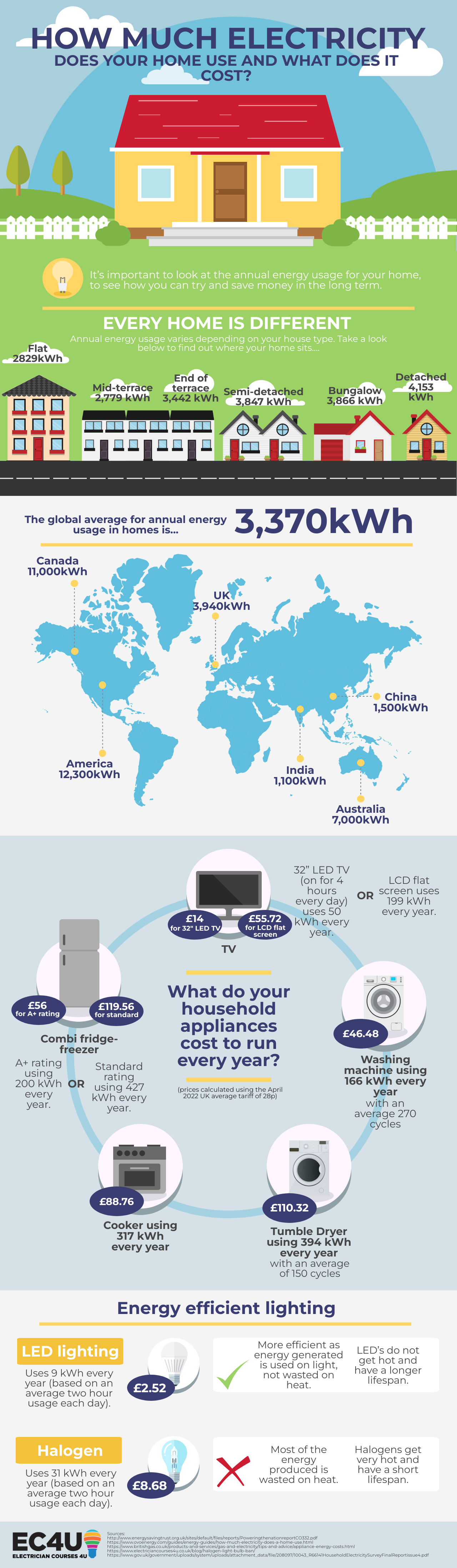
Ever wonder how much electricity your house guzzles down like a thirsty elephant on a hot summer day? It's a question that pops into my head every time I see my electricity bill, which, let's be honest, is more often than I'd like.
We're not talking about rocket science here, but understanding the basics can be surprisingly empowering (pun intended!). So, let’s dive into the electrifying world of household energy consumption!
What's the Magic Number?
Okay, so what's the average? Buckle up, because here it comes: The average U.S. household uses about 886 kWh (kilowatt-hours) per month, according to the U.S. Energy Information Administration. Think of it like this: it's the average amount of electric “food” your home needs to stay alive each month.
Must Read
That number, though, is just a starting point. It’s like saying the average person is 5'8" – great for statistics, but maybe not so helpful when you're trying to find a date!
Your actual usage can vary wildly depending on a bunch of factors, much like my moods after a double espresso.
Location, Location, Location!
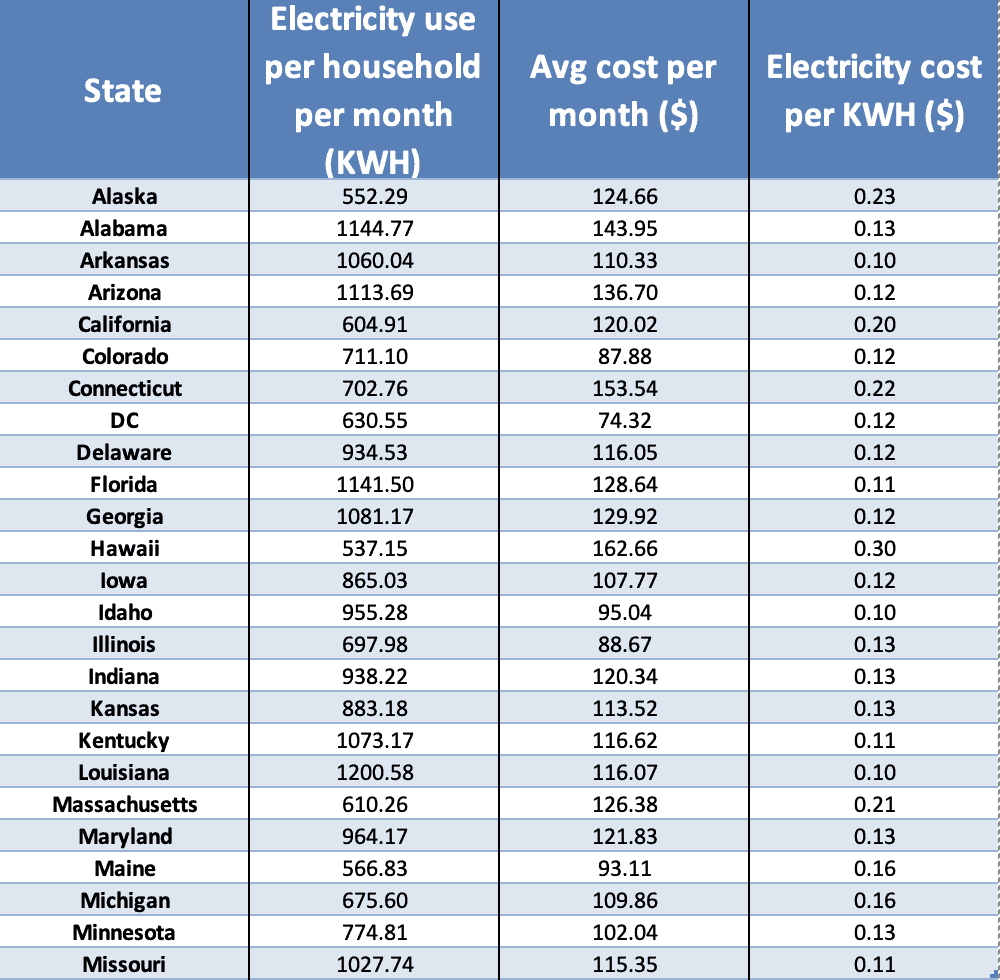
Where you live plays a HUGE role. If you're roasting marshmallows in Arizona or shoveling snow in Minnesota, you're probably using more electricity than someone enjoying a mild climate in California.
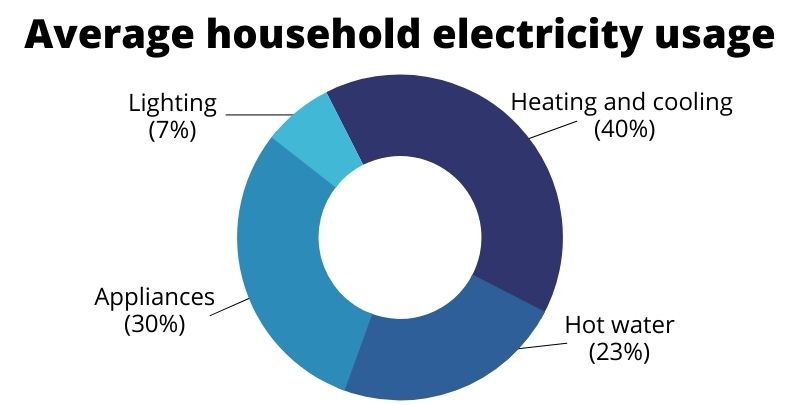
Why? Air conditioning and heating are the big culprits. They are the energy-guzzling monsters that can make your bill skyrocket faster than a SpaceX rocket.
Imagine trying to keep a snowman intact in Death Valley. It requires a monumental amount of energy. That's the equivalent of trying to cool your home in a super-hot place!
House Size and Habits
The size of your house is another obvious factor. A sprawling mansion is going to need more electricity than a cozy studio apartment. More space, more lights, more everything!
Then there are your habits. Are you a Netflix binger who leaves all the lights on? Or are you a minimalist who prefers candlelight and carrier pigeons? Your lifestyle directly impacts your electricity bill.
My grandmother, God bless her, still washes dishes by hand and hangs her clothes out to dry. Her electricity bill is probably lower than my grocery bill!
Appliance Appétit
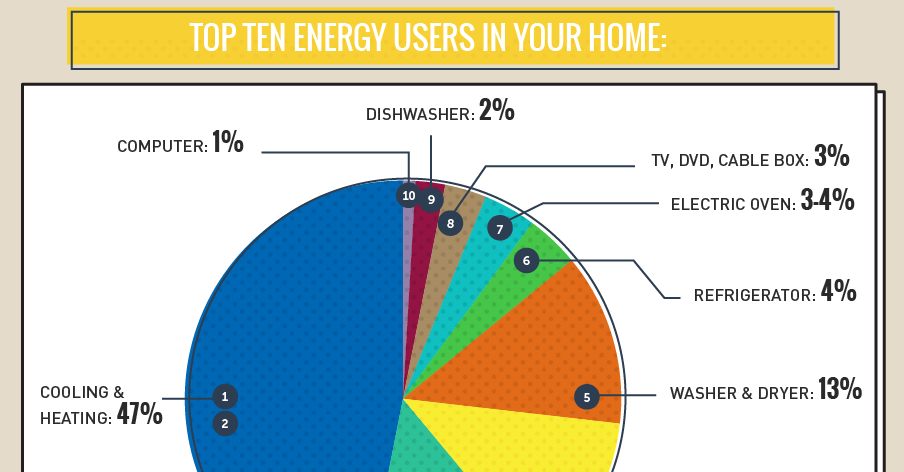
Let's talk appliances. Your refrigerator is a constant energy drain, quietly humming away 24/7. It’s like that reliable friend who’s always there, but also always eating your snacks.
Then there are the big hitters like your washing machine, dryer, and dishwasher. These guys only work when you tell them to, but when they do, they consume a considerable amount of energy.
And don't forget those sneaky little energy vampires like phone chargers and TVs that are left on standby. They might seem innocent, but they’re slowly sucking your wallet dry.
Unveiling the Culprits
So, how do you pinpoint the biggest energy hogs in your house? This is where things get interesting.
One simple trick is to walk around your house and touch your appliances. Is the back of your fridge radiating heat like a dragon's breath? Does your old TV feel warm even when it's off? These are signs of inefficiency.

You can also use a kill-a-watt meter. These little devices plug into your outlets and measure the exact amount of electricity your appliances are using. It's like a fitness tracker for your appliances!
Armed with this knowledge, you can start making smarter choices.
Small Changes, Big Savings
You don't have to live in the dark ages to save energy. Small, simple changes can add up to significant savings over time.
Switching to LED bulbs is a no-brainer. They use a fraction of the energy of traditional incandescent bulbs and last much longer. It's like getting a free money tree that grows electricity savings!
Unplugging electronics when you're not using them is another easy win. It's like putting your appliances on a diet, cutting off their sneaky midnight snacking.
And don't underestimate the power of natural light. Open your curtains and let the sunshine in! It's free, it's cheerful, and it saves energy.
The Thermostat Tango
Your thermostat is another key player in the energy-saving game. Adjusting it a few degrees, especially when you're away from home, can make a big difference.
Think of it like this: you wouldn't leave the oven on all day when you're not cooking, would you? Your thermostat is the oven for your whole house.
Consider investing in a programmable thermostat. These smart devices can automatically adjust the temperature based on your schedule, so you don't have to remember to do it yourself.
Beyond the Basics
If you're serious about saving energy, there are even more advanced steps you can take. These might require a little more investment upfront, but they can pay off handsomely in the long run.
Insulating your home properly is crucial. Good insulation keeps the heat in during the winter and out during the summer, reducing your reliance on heating and cooling systems.
Consider upgrading to energy-efficient appliances. Look for the Energy Star label when you're shopping for new refrigerators, washing machines, and other appliances.
And if you're feeling really ambitious, you could even consider installing solar panels. Imagine generating your own electricity from the sun! It's like having your own personal power plant on your roof.
A Personal Story
I once had a friend who was obsessed with saving energy. She went to extreme lengths, like showering in the dark and only using her microwave for five minutes a day. She's called Brenda, by the way.
While I admired her dedication, I also thought she was a little… eccentric. But you know what? Her electricity bill was ridiculously low. She saved so much money! I mean,
"Wow, Brenda, you are impressive", I told her.
It taught me that even small changes, when consistently applied, can make a big difference. You don't have to shower in the dark, but you can unplug your phone charger when you're not using it.
The Bigger Picture
Saving electricity is not just about saving money. It's also about protecting the environment. Every kilowatt-hour you save is one less kilowatt-hour that needs to be generated by a power plant.
Reducing your energy consumption helps to reduce air pollution, conserve natural resources, and combat climate change. It's a win-win for you and the planet.
So, the next time you see your electricity bill, don't just groan and pay it. Take a closer look. See where you can make changes. Become an electricity detective and uncover the mysteries of your energy consumption.
It might just surprise you how much you can save and how much of a difference you can make.
Remember, even the smallest spark can ignite a big change.