How Much Electricity Does A Pool Pump Use Per Month

Summer is synonymous with poolside lounging, refreshing dips, and the satisfying hum of a well-maintained pool. But behind the sparkling water and sun-kissed skin lurks a question that can send shivers down the spine of even the most dedicated water baby: how much is all this fun costing me? Specifically, how much electricity does that pool pump actually guzzle in a month?
Let's dive in (pun intended!) and demystify the energy consumption of your pool pump. Think of it as your own personal energy audit, but with fewer spreadsheets and more potential poolside cocktail savings.
Understanding the Energy Drain
The amount of electricity your pool pump uses per month depends on several factors. It's not a one-size-fits-all answer, unfortunately. Consider these key variables:
Must Read
- Pump Size (Horsepower): A larger pump obviously requires more power. Think of it like comparing a tiny Fiat to a gas-guzzling Hummer.
- Run Time: The longer your pump runs each day, the more electricity it consumes. It's simple math, really.
- Electricity Rate: Your local electricity rate, measured in kilowatt-hours (kWh), directly impacts your bill. Check your utility bill for this number.
- Pump Type: Older, single-speed pumps are notorious energy hogs. Newer variable-speed pumps are much more efficient. We'll get to those shortly.
To get a rough estimate, you can use this formula:
(Horsepower x 746 x Run Time in Hours x Electricity Rate) / 1000 = Monthly Cost

Don't worry; you don't need to be a math whiz. There are plenty of online calculators that can do the heavy lifting for you. Just search for "pool pump energy calculator."
The Single-Speed Siren Song (and Its Pitfalls)
Older single-speed pumps are often the biggest culprits when it comes to high energy bills. They run at a fixed speed, usually full throttle, regardless of whether the pool needs that much filtration. It's like driving a car everywhere in fifth gear. Not efficient!
These pumps were the standard for decades, but their inefficiency is becoming increasingly unacceptable, especially with growing awareness of energy conservation and rising electricity costs. They’re the equivalent of listening to vinyl records – charming, but not exactly optimized for modern living.
Enter the Variable-Speed Vanguard
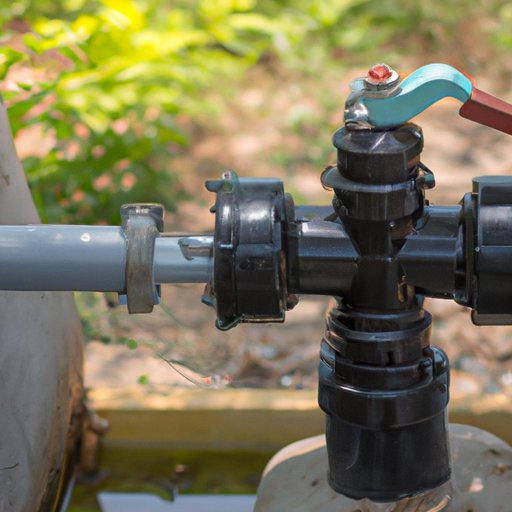
Variable-speed pumps are the superheroes of the pool world. They allow you to adjust the pump speed to match the specific needs of your pool. For example, you can run the pump at a lower speed for basic filtration and crank it up only when needed for vacuuming or backwashing.
Variable-speed pumps can save you up to 80% on energy costs compared to single-speed pumps. That's a significant difference that can translate to hundreds of dollars saved per year. It’s like switching from a horse-drawn carriage to a Tesla. A real game-changer!

Practical Tips for Pool Pump Efficiency
Okay, so you know the basics. Now, let's talk about some actionable steps you can take to reduce your pool pump's energy consumption:
- Consider a Variable-Speed Pump: This is the single biggest upgrade you can make. The initial investment pays off in the long run. Think of it as investing in your future poolside relaxation.
- Optimize Run Time: Experiment with shorter run times. You might be surprised at how little time your pool actually needs to be filtered. A well-balanced pool only needs to turn over its entire volume of water about once a day.
- Clean Your Filters Regularly: Clogged filters force your pump to work harder, increasing energy consumption. Think of it as giving your pump a much-needed spa day.
- Use a Pool Cover: This reduces evaporation, which in turn reduces the need to add water and run the pump to circulate it. It’s like putting a lid on your electricity bill.
- Schedule Strategically: Run your pump during off-peak hours when electricity rates are lower. Many utility companies offer time-of-use rates.
The Ripple Effect
Thinking about your pool pump's energy consumption might seem like a small thing, but it's part of a larger trend toward sustainability and responsible resource management. Every kilowatt-hour saved reduces your carbon footprint and contributes to a more sustainable future. It's not just about saving money; it's about making a conscious choice to live more lightly on the planet.
So, the next time you're relaxing by the pool, remember that even small changes can make a big difference. By understanding your pool pump's energy consumption and taking steps to improve its efficiency, you can enjoy your poolside oasis guilt-free, knowing that you're doing your part to protect the environment and save money in the process. Now that's something to celebrate with a refreshing beverage!