How Much Electricity Does A Fan Use In 24 Hours
Ever found yourself pondering the mysteries of your electricity bill? We all have! And one question that often pops up, especially during sweltering summers, is: How much juice does that trusty fan actually guzzle? It's a fun and practical question because understanding the energy consumption of everyday appliances like fans can empower us to make smarter choices and potentially save a few bucks. Plus, it's surprisingly interesting to delve into the world of watts and kilowatt-hours!
A fan, in its simplest form, is a device designed to circulate air. Its purpose is multifold: to cool us down by evaporating sweat, to improve air circulation in stuffy rooms, and even to provide white noise that can help us sleep. The benefits are clear: increased comfort, better air quality, and potentially improved sleep. It’s a simple invention with a profound impact on our daily lives, making hot days bearable and stale air a thing of the past.
Fans are ubiquitous in our society. In classrooms, they help to maintain a comfortable learning environment, keeping students focused and preventing overheating. In homes, they're used in bedrooms for a cool night's sleep, in living rooms for better air circulation, and even in bathrooms to help dry damp surfaces. Think about workshops and garages – fans are often essential for ventilation and temperature regulation. They are incredibly versatile.
Must Read
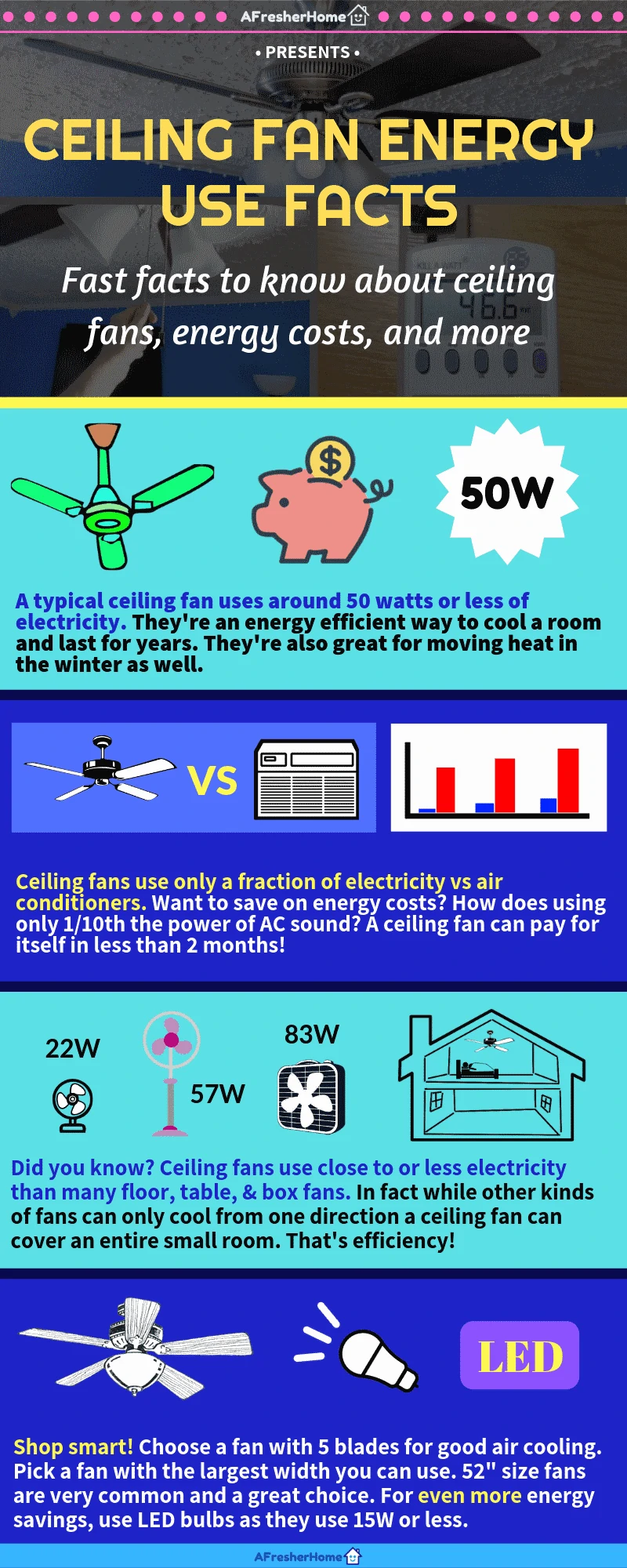
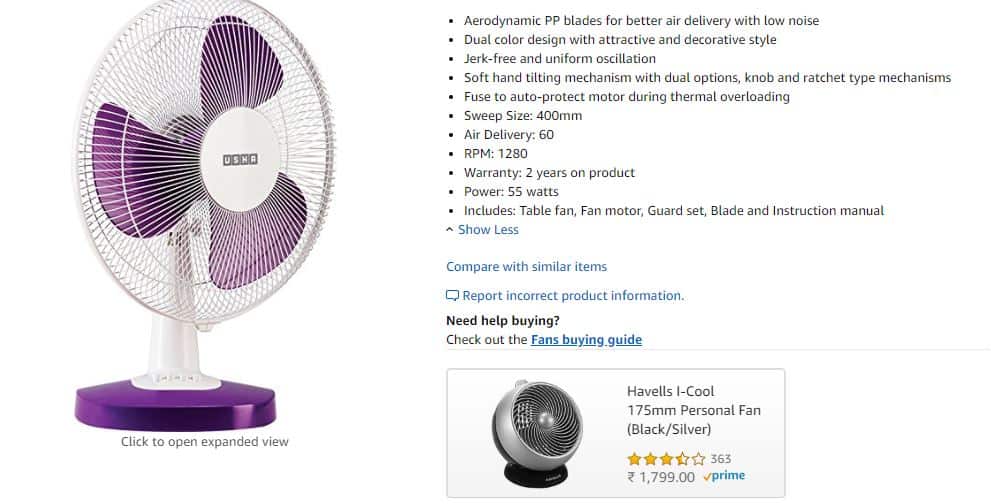
So, back to the burning question: how much electricity does a fan actually use in 24 hours? Well, it depends! The wattage of a fan – typically found on a sticker on the motor – is the key. Let's say you have a standard pedestal fan that uses 50 watts. To calculate the energy used in 24 hours, we first need to find the total watt-hours. This is simply 50 watts multiplied by 24 hours, equaling 1200 watt-hours. To convert this to kilowatt-hours (kWh), which is what you see on your electricity bill, we divide by 1000. So, 1200 watt-hours becomes 1.2 kWh.
Now, to figure out the cost, you need to know the price per kWh charged by your electricity provider. This information is readily available on your bill. Let's assume the price is $0.20 per kWh. Multiplying 1.2 kWh by $0.20 gives us $0.24. This means that running a 50-watt fan continuously for 24 hours would cost you approximately 24 cents.
Here are a few practical tips to explore this further: Firstly, check the wattage of your fan. Secondly, find the price per kWh on your electricity bill. Then, use the calculation above to estimate the daily cost. You can even use a Kill A Watt meter, which plugs into the wall and measures the actual energy consumption of the device connected to it. These are relatively inexpensive and a great way to get real-world data.
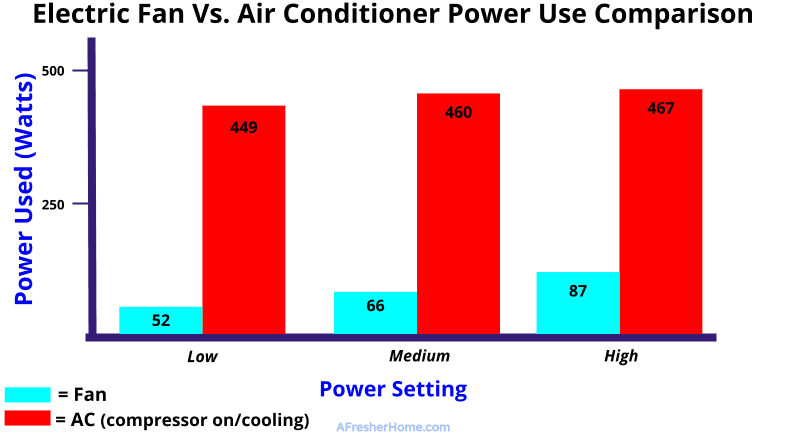
Another simple way to explore is to compare different types of fans. A small desk fan might use significantly less energy than a large box fan. Similarly, newer fans often have energy-efficient motors, making them cheaper to run in the long run. Experimenting with different settings (low, medium, high) will also show you how energy consumption varies. By playing around with these simple calculations and measurements, you can gain a better understanding of your energy usage and make informed decisions to save energy and money.