
How Much Electricity Does A 1500 Watt Heater Use
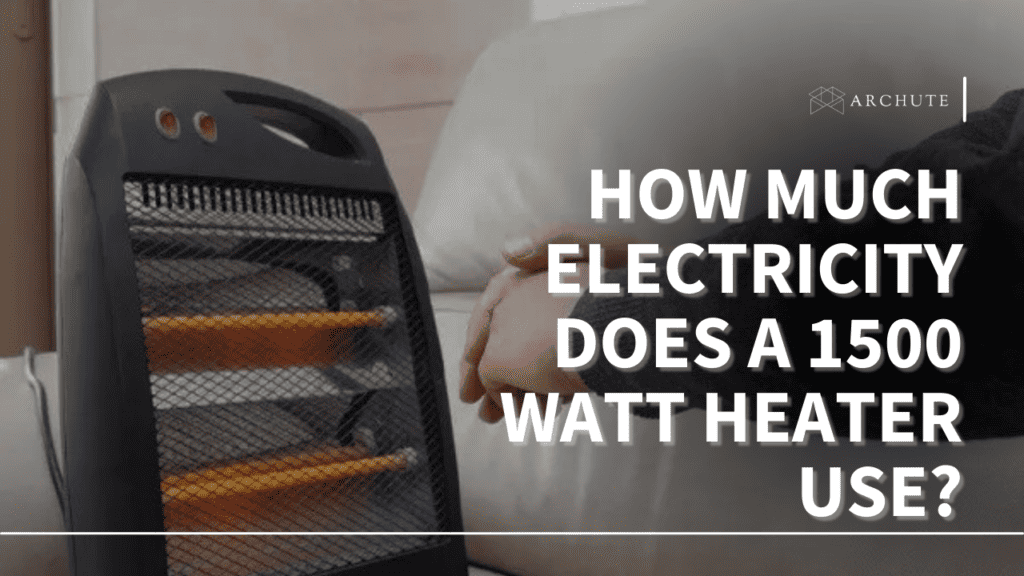
So, winter's knocking, and you're thinking about firing up that trusty 1500-watt space heater. Smart move. But before you crank up the heat and binge-watch Netflix (again!), let's talk about the elephant in the room: how much juice is this thing really going to suck from your electrical outlet? Let's dive in.
The Nitty-Gritty: Watts to Dollars
Okay, let's break it down. A 1500-watt heater uses, well, 1500 watts! But electricity bills aren't based on watts alone; they're based on kilowatt-hours (kWh). One kilowatt is 1000 watts. So, your 1500-watt heater is technically a 1.5 kilowatt heater.
The magic equation: Wattage / 1000 x Hours of Use = kWh.
Must Read
Let's say you run that heater for one hour. That's 1.5 kWh. Now, to figure out the cost, you need to know the price your electricity company charges per kWh. This varies wildly depending on where you live. In some states, it could be as low as 10 cents per kWh, while in others, it can creep up to 30 cents or even more. Check your latest bill – it's usually printed right there.
Practical Tip: Many energy companies offer online tools to estimate your usage and cost. Plug in your appliance details and usage patterns for a more accurate picture.
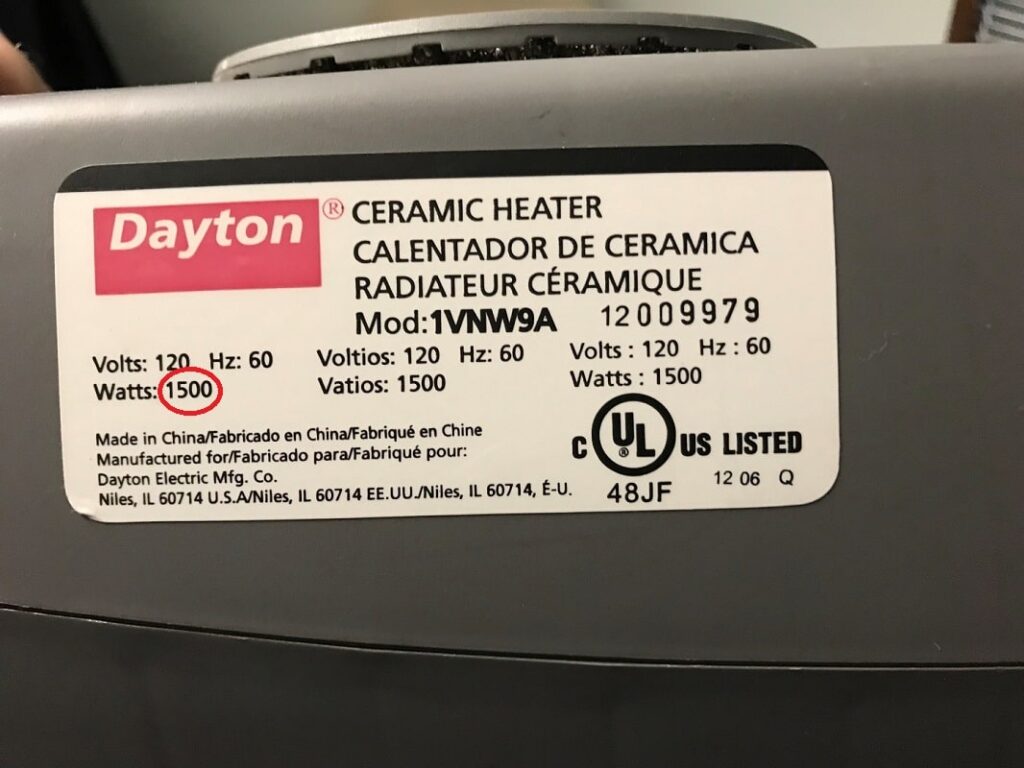
The Real-World Cost: A Hypothetical Scenario
Let’s assume your electricity costs the national average, about 17 cents per kWh (as of late 2023 – prices fluctuate, folks!).
Using our equation, running the 1500-watt heater for one hour would cost: 1.5 kWh x $0.17/kWh = $0.255, or roughly 26 cents. Not bad, right?
But what if you leave it running all night? Let's say 8 hours. That's 1.5 kWh x 8 hours = 12 kWh. At 17 cents per kWh, that's 12 kWh x $0.17/kWh = $2.04. So, running it all night will cost you just over $2.
Pro Tip: Consider a programmable thermostat or a smart plug to control your heater's on/off cycles. Set it to turn off automatically when you're asleep or away to save serious money.
Beyond the Numbers: Efficiency and Usage Habits
It's not just about the wattage. It's about how you use it. Think of it like gas mileage in a car. A Ferrari might have a powerful engine, but if you're flooring it everywhere, you'll burn through gas faster than someone driving a Prius conservatively. The same goes for your space heater.

Reduce Your Impact:
- Seal the Gaps: Drafts are your enemy! Use weather stripping and caulk to seal windows and doors. Think of it as giving your heater a helping hand.
- Layer Up: Embrace the art of cozy layering! Sweaters, blankets, and warm socks are your allies in the fight against the cold. Channel your inner Scandinavian hygge vibe.
- Targeted Heating: Don't heat the entire house if you're only using one room. Close off unused areas to maximize efficiency.
Cultural Anecdote: The Electric Blanket Revolution
Did you know that electric blankets were first introduced in the early 20th century? They were bulky and not very safe, but the idea stuck. Over the years, technology improved, and now we have super-safe, energy-efficient electric blankets and heated mattress pads. A modern equivalent of a hot water bottle, providing focused and cost-effective personal heating, especially helpful now days! These devices tend to use even less energy than full space heaters.
The Big Picture: Sustainability and Responsibility
Ultimately, being mindful of our energy consumption is not just about saving money; it's about being responsible stewards of our planet. Every kilowatt-hour we conserve reduces our carbon footprint, and little changes, like using heaters sparingly, can make a big difference.
Think of it this way: Each degree you lower your thermostat is like planting a tree. Okay, maybe not exactly like planting a tree, but you get the idea. Every little bit helps!
Reflection
The next time you reach for that space heater, take a moment to consider its impact. Ask yourself: Is this the most efficient way to stay warm? Are there alternative solutions I can try first? By making conscious choices, we can keep our homes cozy without breaking the bank or harming the environment. So, stay warm, stay informed, and stay sustainable!