
How Much Electricity Do Portable Heaters Use
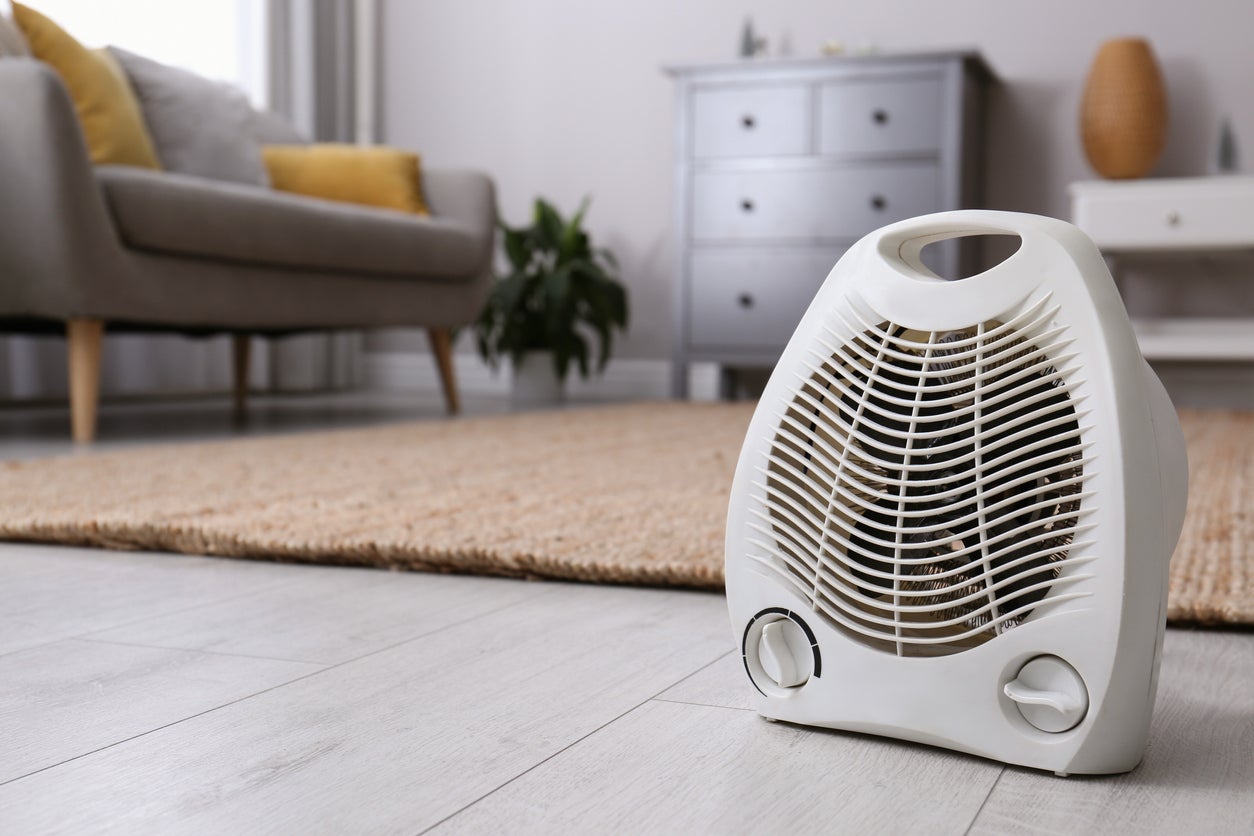
Ever wonder how much juice those little space heaters slurp up? It's a question that dances in our minds, especially when the winter winds howl. Let's dive into the delightful world of portable heater electricity consumption!
The Watt's Up With Watts?
First, a quick intro to watts. Watts are like the "electricity currency" your heater uses. Think of them as tiny electrical gremlins working hard to keep you warm!
Most portable heaters come with a wattage rating. You'll usually find it on a sticker or in the owner's manual. Common wattages range from 750 watts to 1500 watts.
Must Read
The 1500-Watt Champion
Let's say you have a mighty 1500-watt heater. That means it uses 1500 watts of electricity every hour it's running at full blast. Now, let's do some fun math!
Electricity companies charge by the kilowatt-hour (kWh). A kilowatt is just 1000 watts, so our 1500-watt heater uses 1.5 kWh per hour. Knowing that will make you a household electricity ninja.
Want to know how much that costs? Check your electricity bill for the price per kWh. Multiply that price by 1.5, and boom! You've got the cost to run your heater for one hour.
The Cost of Cozy
Imagine your electricity costs $0.15 per kWh. Running our 1500-watt heater for an hour would then cost about $0.23. That's less than a cup of coffee!
However, those cents can add up. Especially if you're running the heater for hours every day. It’s kind of like that tempting daily pastry – delicious, but the cost accumulates!
Smart Strategies to Save
So, how can we enjoy the warmth without breaking the bank? Fear not, there are simple strategies!
First, consider using your heater only when and where you need it. Don't heat the whole house if you're just chilling in the living room. Targeted warmth is the name of the game.
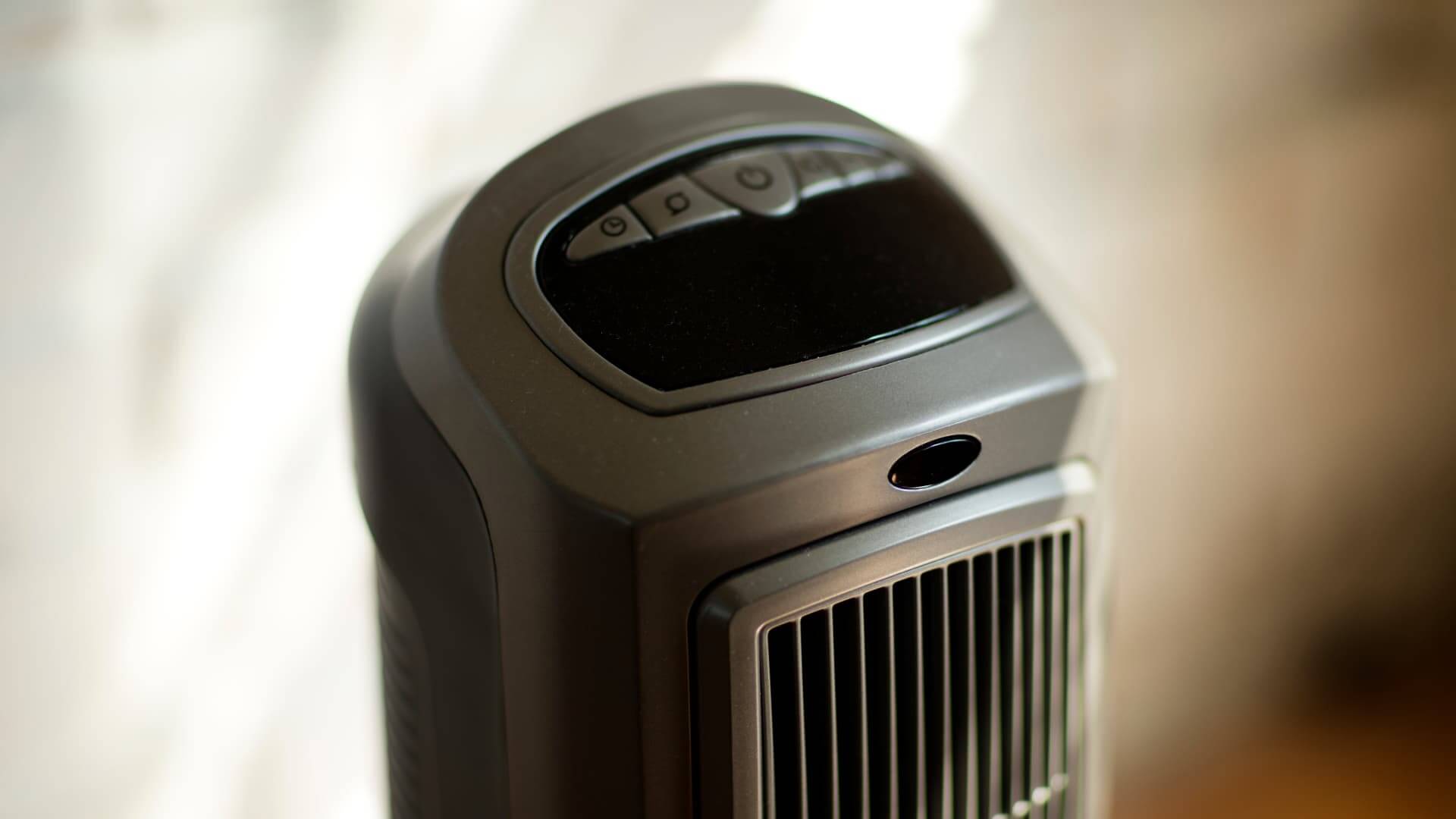
Many portable heaters have adjustable thermostats. Lowering the thermostat a few degrees can make a surprising difference. It's like turning down the volume on your favorite song just a notch – still enjoyable, but less intense.
Think about the heater’s location. Make sure it's not blocked by furniture or curtains. Proper airflow equals efficient heating, and efficient heating equals savings!
Types of Heaters and Their Thirst for Power
Not all portable heaters are created equal. Different types have different energy appetites.
Ceramic heaters are popular for their quick heating capabilities. They usually use around 1500 watts on the high setting. Keep this in mind when you're choosing one.
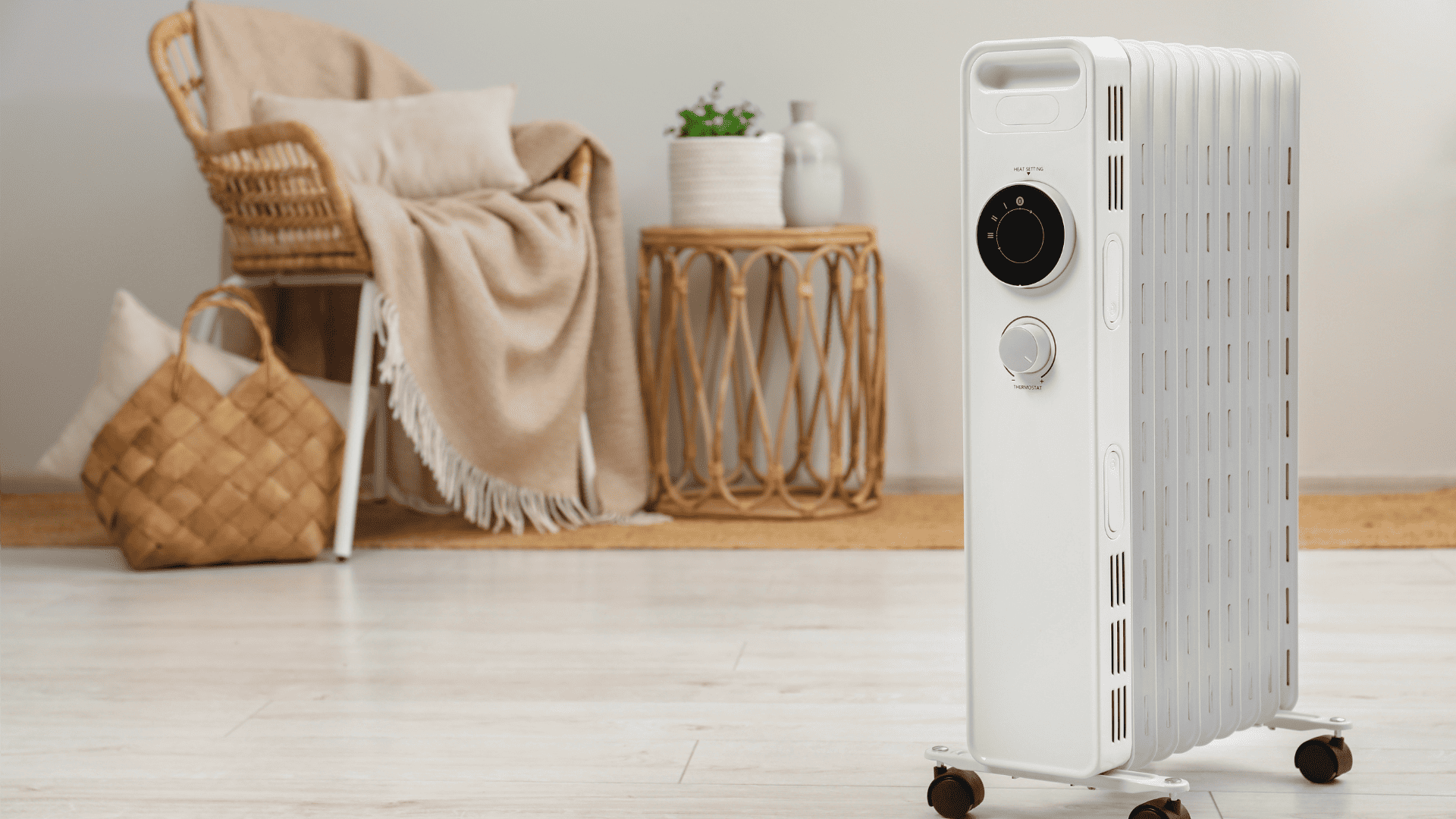
Oil-filled radiators are known for their consistent warmth. They might take a little longer to heat up. However, they often use less energy to maintain a steady temperature.
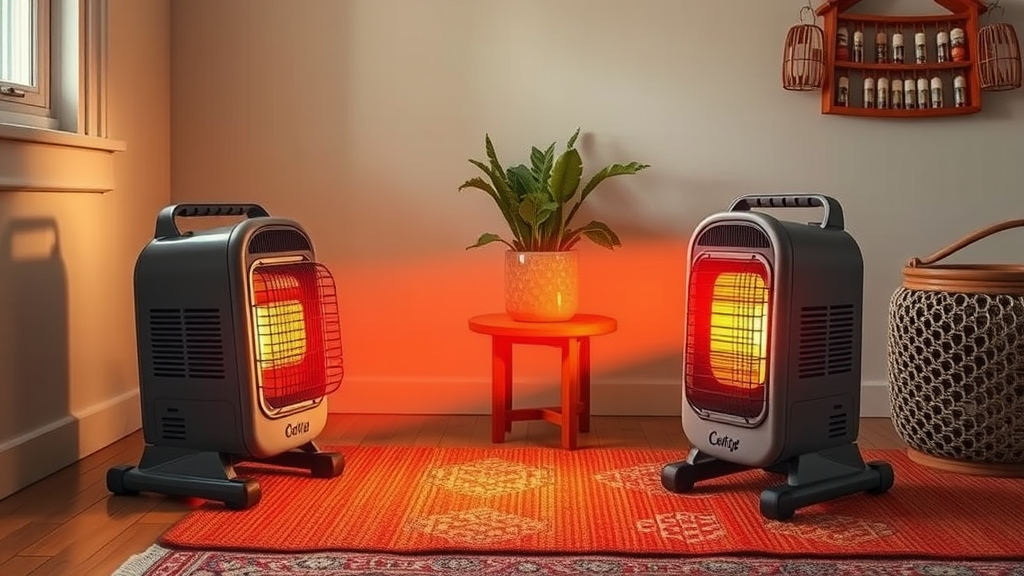
Infrared heaters are another option, promising to heat objects directly. They can be energy-efficient for smaller spaces. But, their effectiveness varies.
The Energy Efficiency Dance
Energy efficiency is like the ultimate dance-off for heaters. Some are graceful and energy-conserving. Others, well, they like to hog the spotlight (and the electricity).

Look for heaters with energy-saving features. Programmable timers and automatic shut-off are your friends. They prevent unnecessary energy waste.
Read reviews and compare energy consumption ratings. Knowledge is power! (Electricity pun intended.)
Beyond the Bill: Safety First!
While we're crunching numbers, let's talk safety. Portable heaters can be wonderful, but they need respect.
Always keep heaters away from flammable materials. Think curtains, blankets, and that pile of newspapers you've been meaning to recycle. Safety should always be the top priority.
Never leave a heater unattended, especially around children or pets. It's better to be safe than sorry. A little caution goes a long way.
Make sure your heater has safety features like overheat protection and tip-over shut-off. These are like little guardian angels, ready to intervene if things get out of hand.
Extension Cord Cautions
Using an extension cord? Be careful! Make sure it's heavy-duty and rated for the heater's wattage. A flimsy cord can overheat and become a fire hazard.
Ideally, plug your heater directly into a wall outlet. This provides the safest and most reliable power source.
The Grand Finale: Warmth and Wisdom
Understanding how much electricity your portable heater uses is empowering. It lets you make informed choices and stay cozy without blowing your budget.
A portable heater can be a fantastic way to add warmth to a chilly room. Just be mindful of its energy consumption and prioritize safety.
So, go forth and conquer the cold! With a little knowledge and a dash of common sense, you can enjoy the warmth without the worry.
A Few Extra Tips
Before you even turn on your heater, think about insulation. Seal up any drafts around windows and doors. This keeps the heat in and the cold out.
Consider layering up with warm clothing. A cozy sweater and a pair of socks can make a big difference. This way, you won't need to crank the heater as high.
Use the heater in conjunction with other heating sources. For example, if you have central heating, use the portable heater to supplement it in specific areas. This prevents you from having to heat the entire house.
Clean your heater regularly. Dust and debris can reduce its efficiency. A clean heater is a happy and efficient heater!
If you're using a heater with a fan, make sure the fan is clean and working properly. A malfunctioning fan can make the heater less effective. It might also cause it to overheat.
Consider a smart thermostat for your portable heater. These thermostats allow you to schedule heating times and adjust the temperature remotely. They also reduce energy waste when you are not there.
Compare the cost of running a portable heater to other heating options. Depending on your home and situation, a different heating method might be more energy-efficient. Doing so will help you choose the best option for your home.
Remember, portable heaters are designed for supplemental heating. They are not intended to be the primary source of heat for your entire home. Using them responsibly and efficiently will help you stay warm and save money.
By following these tips, you can enjoy the warmth and comfort of a portable heater without worrying about excessive energy consumption. Stay warm and stay savvy!
"Warmth is a state of mind. But a good heater helps!" – An Anonymous Energy Saver