How Much Electricity Do Oil Filled Radiators Use

Okay, let's talk about oil filled radiators! Why? Because when the temperatures dip, figuring out how to stay cozy without sending your electricity bill into orbit becomes a national sport. Oil filled radiators are often touted as a cost-effective heating solution, but are they really? Let's dive into the electrifying world of these silent, unassuming heaters and find out just how much juice they actually consume.
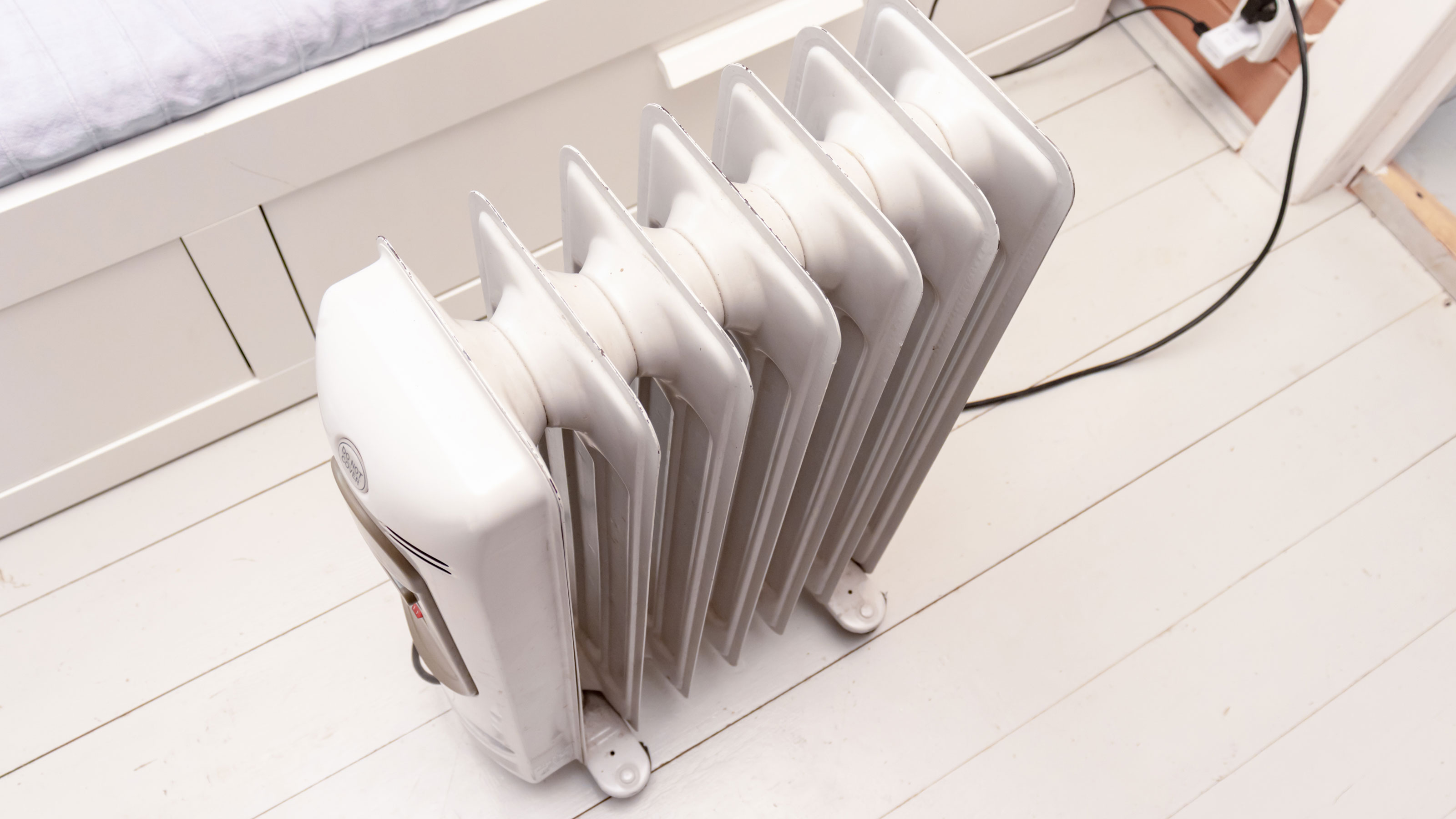
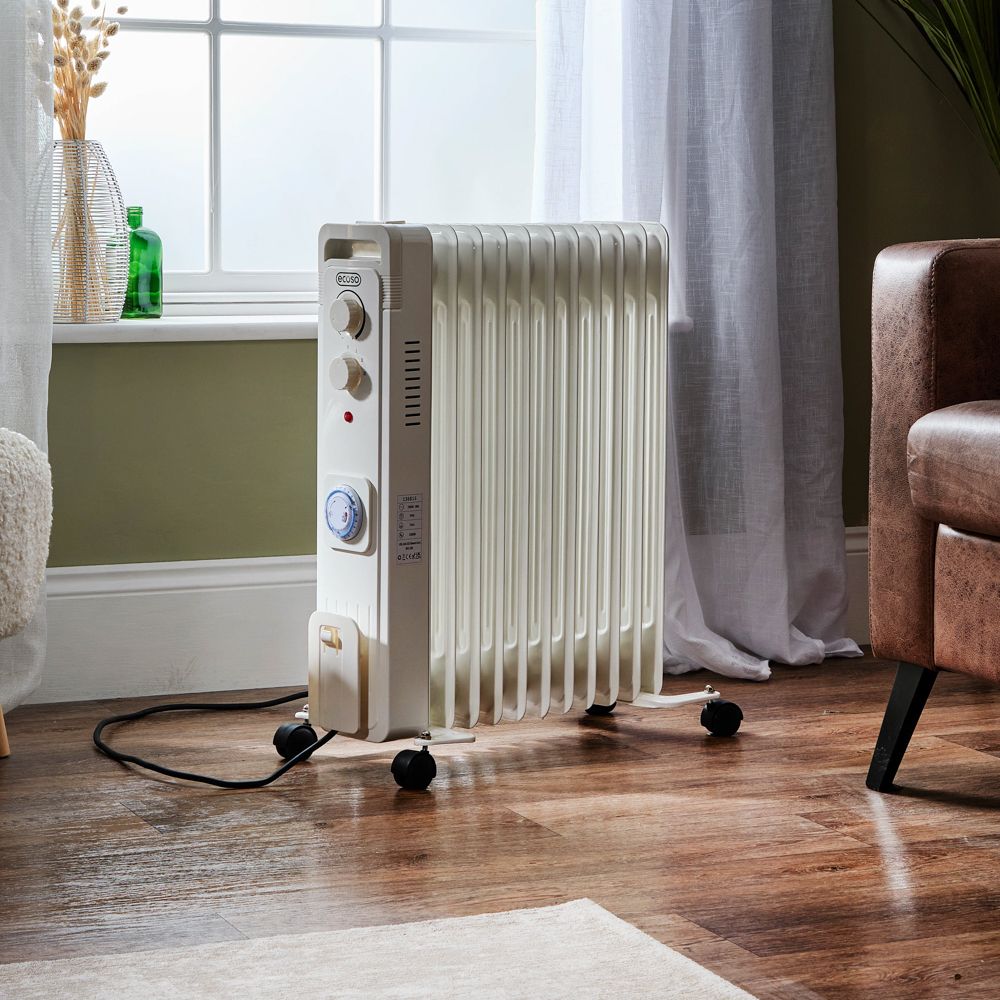
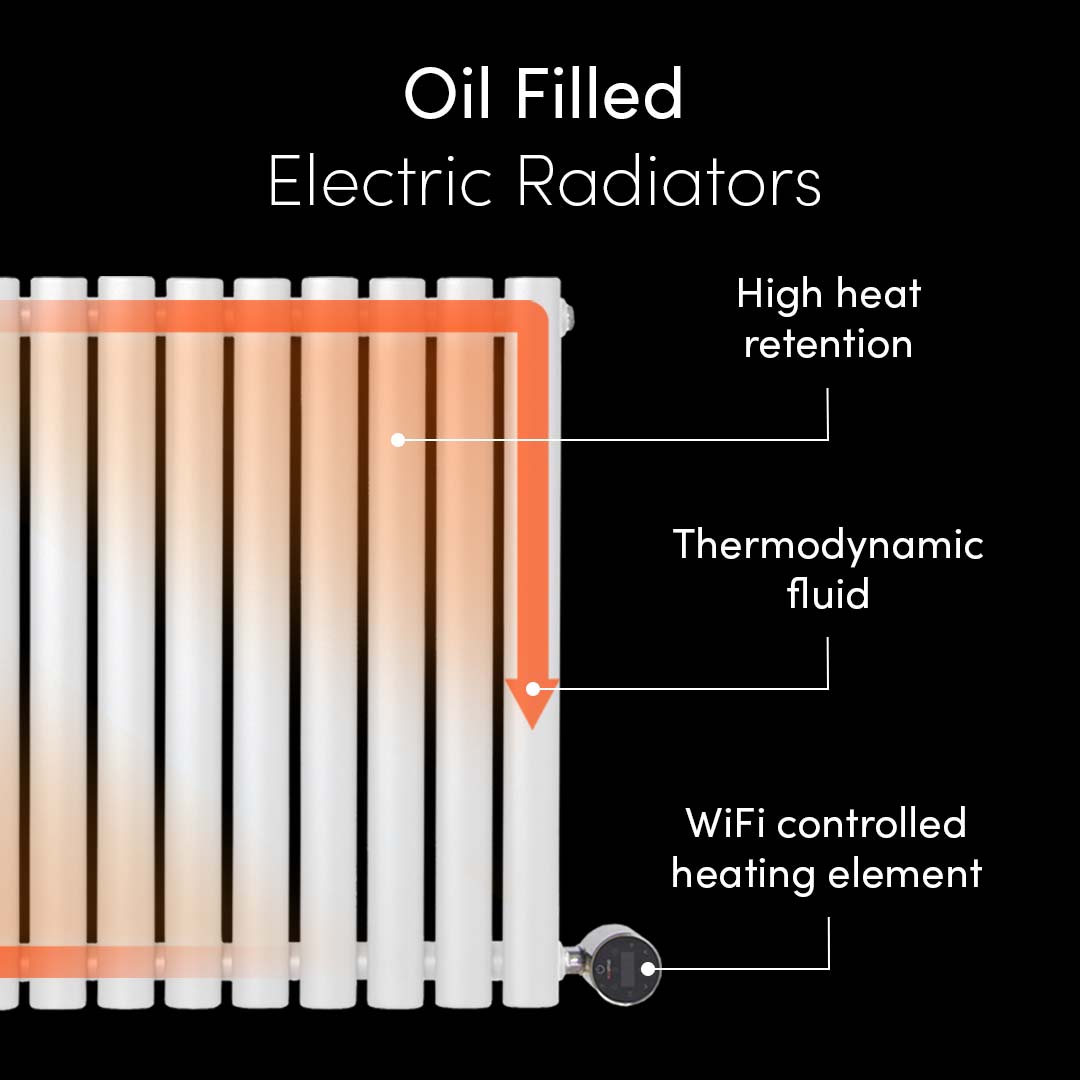
First things first, what are these things, and why are they so popular? An oil filled radiator is essentially an electric heater that uses, you guessed it, oil! This oil is heated by an electrical resistance element inside the radiator. The heated oil then warms the metal fins, which radiate heat into the room. The big benefit? They retain heat much longer than some other types of electric heaters, meaning they cycle on and off less frequently, at least in theory. This consistent, gentle heat is a big draw for many, offering a more comfortable and less jarring experience than a space heater that blasts hot air then abruptly shuts off.
Now for the burning question: How much electricity do they use? The power consumption of an oil filled radiator is typically measured in watts (W). Most models range from around 700W to 1500W. Let's say you have a 1500W radiator. To figure out the hourly energy consumption, just divide the wattage by 1000 to get kilowatts (kW). So, 1500W becomes 1.5 kW. If you run that heater for one hour, it will consume 1.5 kilowatt-hours (kWh) of electricity.
Must Read
Sounds simple, right? But the actual cost depends on your local electricity rate, which is measured in cents per kWh. You can usually find this on your electricity bill. Let’s say your rate is $0.20 per kWh. Running that 1.5 kW radiator for one hour would cost you 1.5 kWh * $0.20/kWh = $0.30. Therefore, leaving that radiator on all day could quickly add up!
However, here's a key factor: thermostats. Most oil filled radiators come equipped with thermostats that automatically turn the heater off when the room reaches a set temperature. This is where the "cost-effective" claim comes into play. A good thermostat can significantly reduce energy consumption by preventing the radiator from running constantly. Once the desired temperature is reached, the radiator switches off, using minimal electricity to maintain the heat. The better the thermostat, the more efficiently it will regulate the heat and save energy.
So, how can you minimize energy consumption? Invest in a radiator with a high-quality thermostat. Position the radiator strategically in the room, away from drafts and obstructions. And finally, only heat the rooms you are actively using. Closing doors and using draft excluders can also help to keep the heat in and reduce energy waste.
In conclusion, oil filled radiators can be a comfortable and convenient heating solution, but it’s important to understand their energy consumption. By choosing an energy-efficient model, using the thermostat wisely, and taking steps to insulate your home, you can enjoy the warmth without breaking the bank. Now go forth and conquer those winter chills – armed with knowledge!