How Much Electricity Can Solar Panels Produce
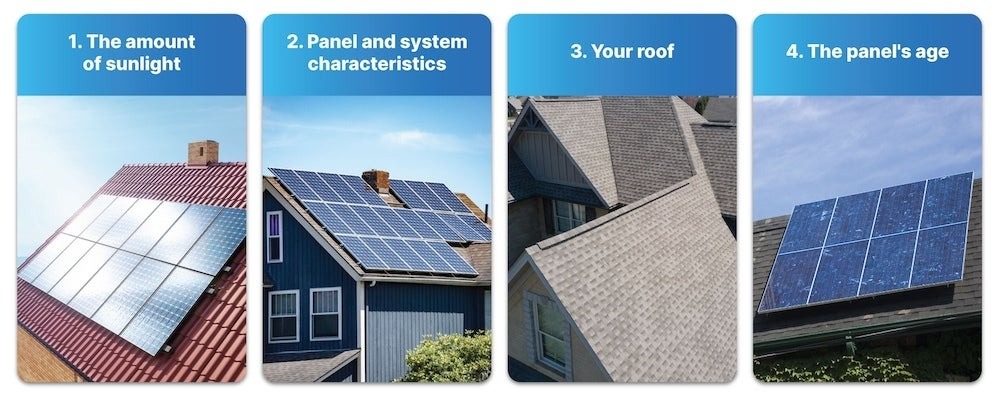
Let's talk solar panels. Shiny rectangles soaking up the sun. Promises of clean energy and lower bills. But how much electricity do they actually make? It's a question that deserves a bit of a playful poke, I think.
The truth is, it’s not as straightforward as "sun in, power out." There are so many variables! Think of it like baking a cake. You've got your recipe (the panel's specs), but then you’ve got the oven (the sun!), your baking skills (installation quality), and even the weather outside (cloud cover!).
The Sunny-Day Fantasy vs. Reality
Everyone dreams of solar panels churning out power like a never-ending energy buffet. Picture this: blazing sun, crystal-clear skies, your panels gleaming and humming, and your electricity meter spinning backwards like it’s trying to escape. Ah, the dream!
Must Read
But then reality hits. Clouds roll in. Birds decide your panels are a fantastic perch. Dust gathers. And suddenly, your power production dips. It's like ordering that fancy dessert and finding out half of it is just decorative chocolate shavings. Disappointing, right?
Seriously, think about the weather where you live. If you live in perpetually sunny Arizona, congrats! You're practically swimming in solar potential. But if you're in a place with a lot of gray skies and drizzle (looking at you, Seattle), your panels are going to have some off days. It’s like trying to sunbathe in a cave.
![How much electricity do solar panels produce? [UK, 2025]](https://images.prismic.io/sunsave-website/Z64Jh5bqstJ9-lRu_Cutyourenergybillswithsolar-final-.png?auto=format,compress)
Watt's Up With Watts?
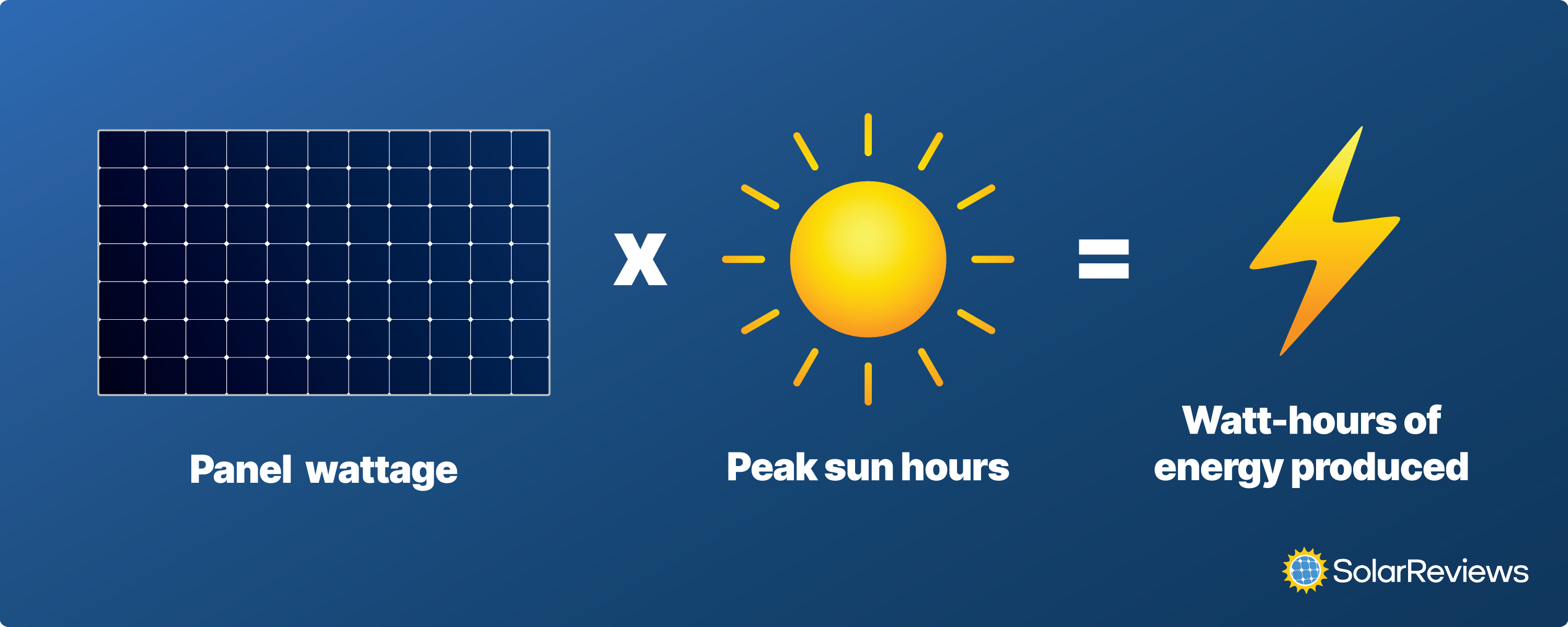
Solar panels are rated in watts. It’s supposed to tell you how much power they can produce. A 300-watt panel should crank out 300 watts under ideal conditions. But here's the kicker: "ideal conditions" are rare birds. It's like a unicorn riding a skateboard rare.
Think of it like this: a car's horsepower rating. It can potentially hit that horsepower, but are you really driving around all day at top speed? Probably not. The same applies to solar panels. They have a peak performance, but average daily output varies greatly.
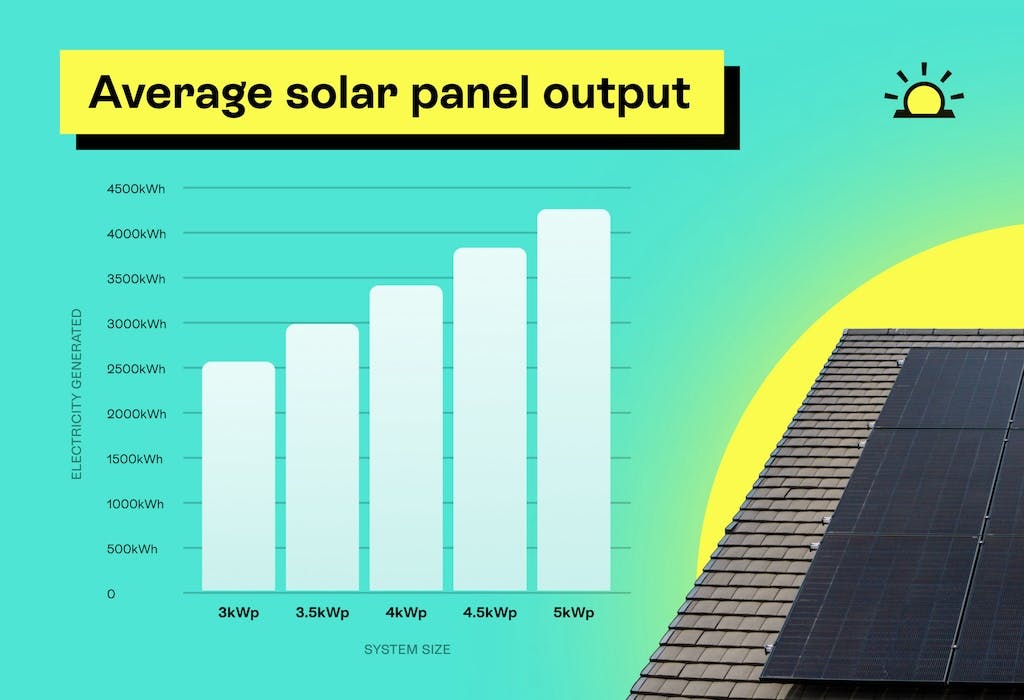
So, how much electricity can a solar panel produce? A decent-sized residential system (say, 6kW) might generate around 24 kWh (kilowatt-hours) on a sunny day. But that can plummet on a cloudy day. It’s a bit of a rollercoaster ride, energy-wise.
Unpopular Opinion: It's Not Always a Home Run
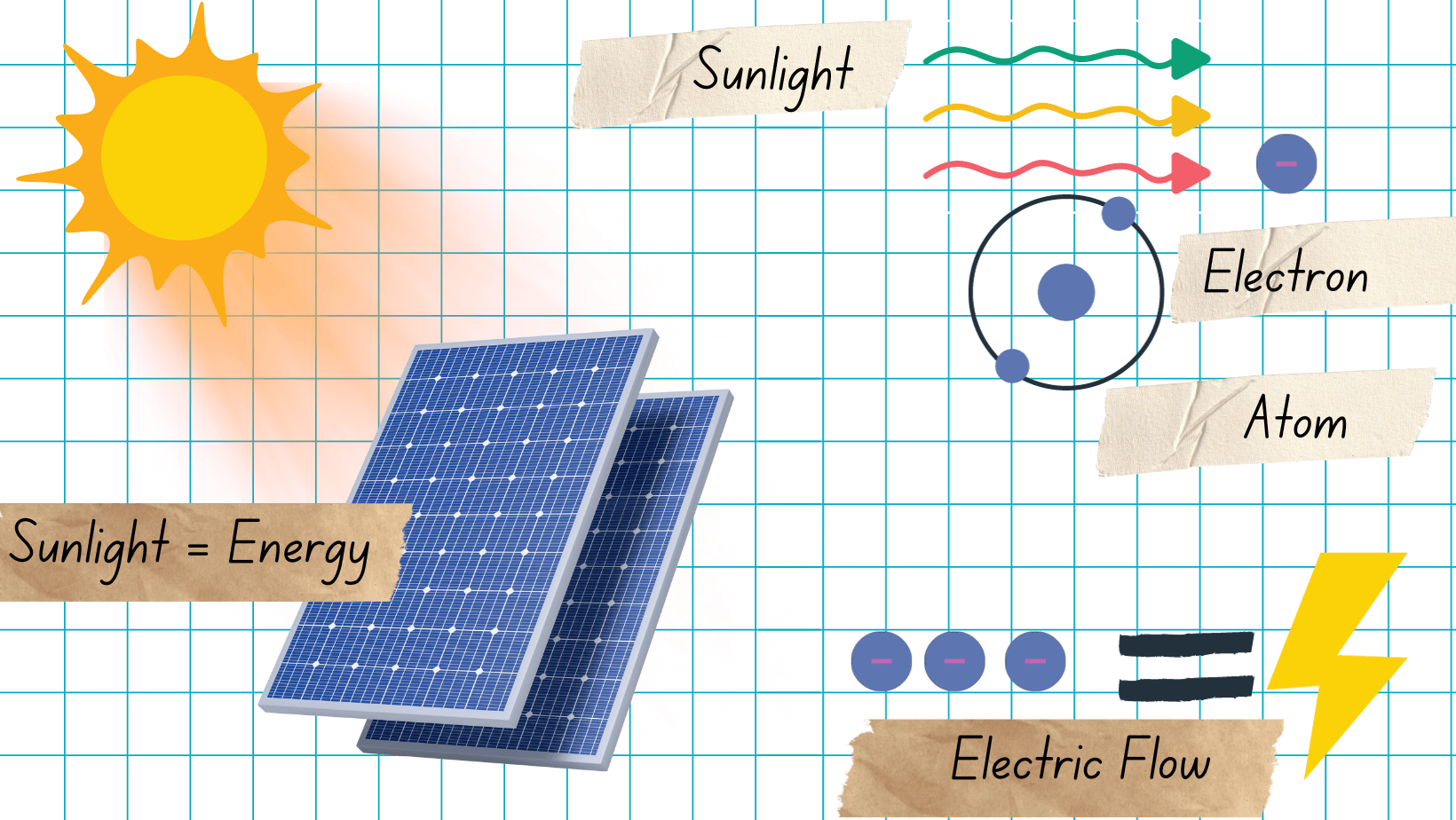
Here’s where I might ruffle some feathers. My unpopular opinion? Solar panels aren't always the slam-dunk, home-run investment everyone makes them out to be. Sure, they can save you money and are good for the environment. Absolutely! But let's be honest with ourselves.
The real-world output can be lower than expected. The upfront costs are significant. And the payback period? It can be longer than you think. Sometimes, it feels like you’re waiting longer than it takes to grow a beard to get your money back. I’m just saying!
"Solar energy: Good for the planet, sometimes tricky for your wallet."
Ultimately, the amount of electricity your solar panels produce depends on a ton of things. Sun, location, panel quality, installation quality, and even the angle of your roof all play a role. It's a complicated dance between technology and nature.
Do your research. Talk to installers. Understand the nuances. And don't expect miracles. Solar power is a great tool, but like any tool, it's only as effective as how you use it. And maybe keep a pair of binoculars handy for spotting those pesky birds using your panels as a restroom.
Just saying...