
How Much Electricity Can A Solar Panel Generate
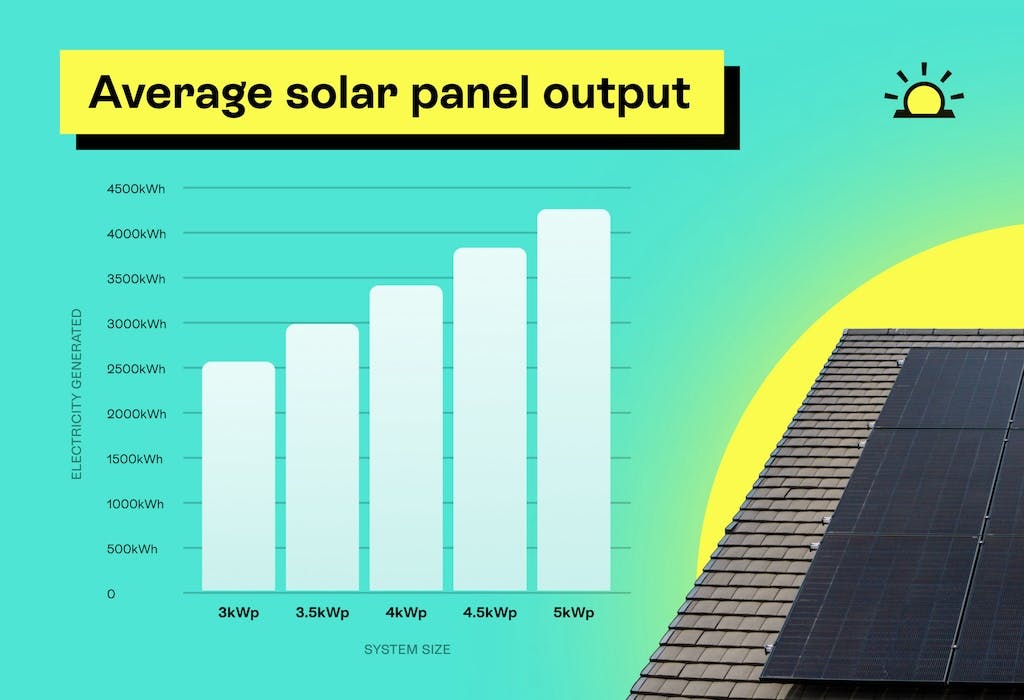
Ever looked at a shiny solar panel and wondered, "Just how much juice can that thing really make?" Well, buckle up, buttercup, because we're about to dive into the electrifying world of solar power!
Forget complicated equations and confusing jargon. We're talking real-world, relatable examples, the kind that'll make you say, "Aha! So that's how it works!"
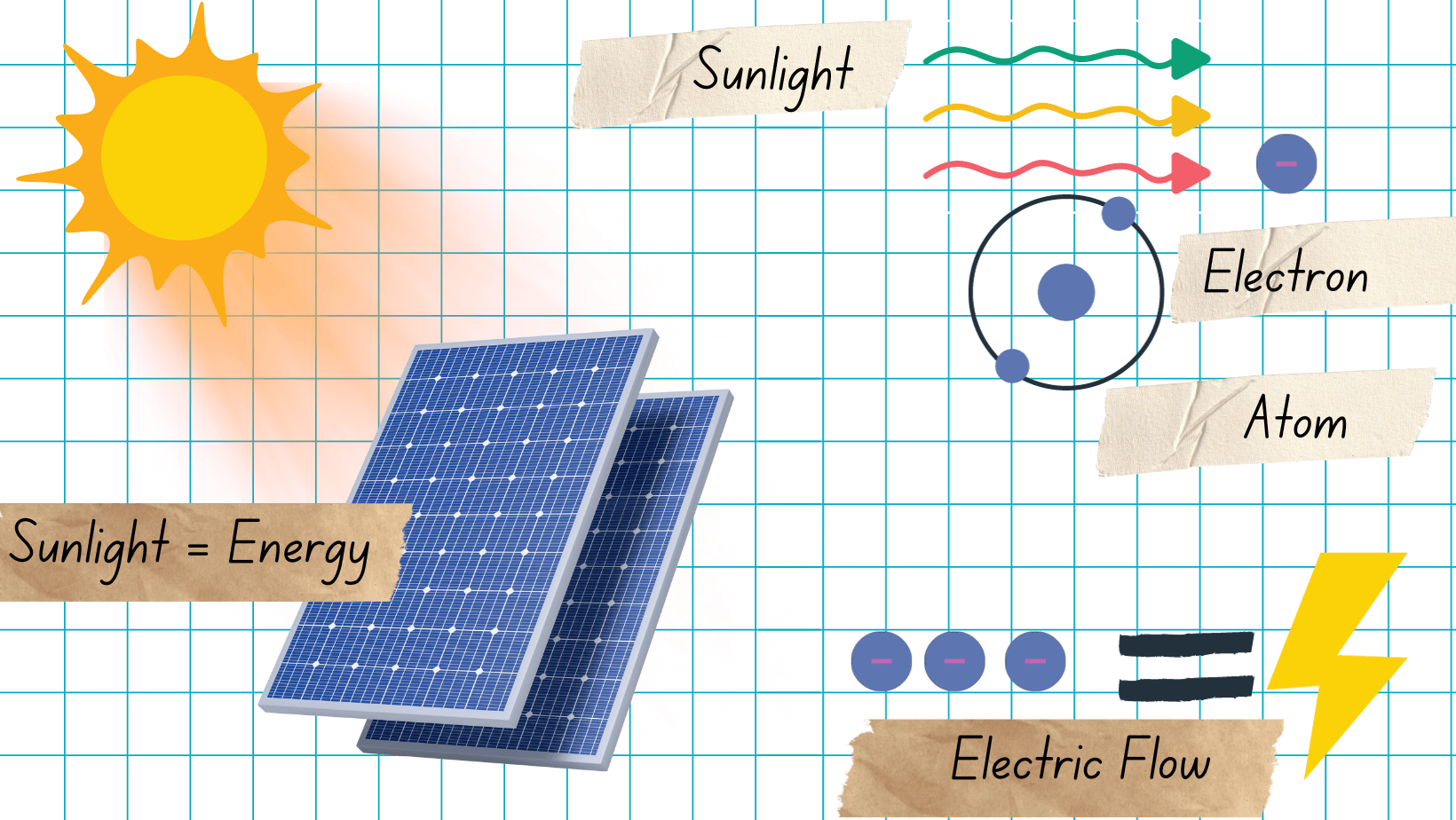
The Sunshine-to-Electricity Magic Box
Think of a solar panel as a little sunshine-powered factory. It gobbles up photons (tiny particles of light) and spits out electricity. Amazing, right?
Must Read
But just like a real factory, its output depends on a few key factors. It's not a one-size-fits-all energy extravaganza.
Watts the Deal? Understanding Panel Power
The first thing you'll usually see when shopping for solar panels is their wattage. A typical residential solar panel might be rated around 300-400 watts.
What does that even mean? Well, in perfect conditions (think bright, direct sunlight, cool temperature, and a perfectly angled panel), that panel could theoretically produce 300-400 watts of power per hour.
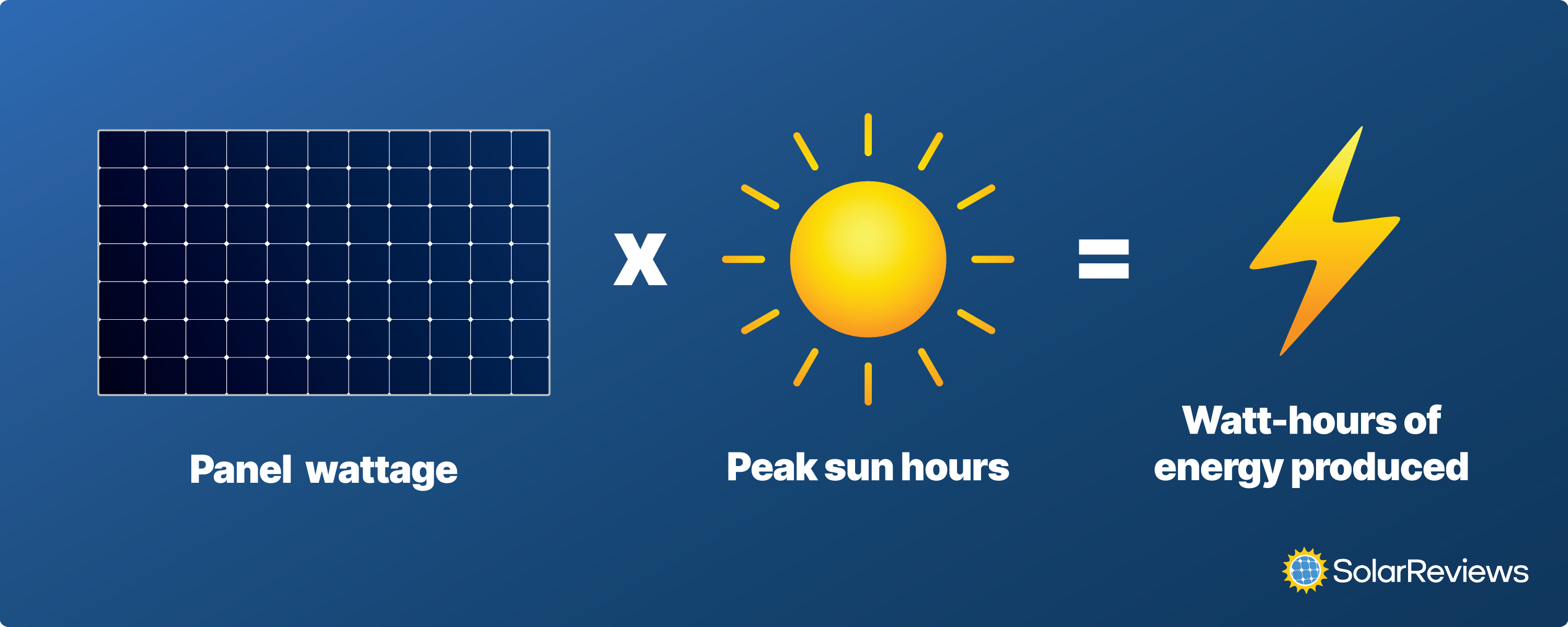
Imagine it like this: if a panel is rated at 350 watts, and it's beaming with joy in the sun for one full hour, it's generated 350 watt-hours (Wh) of electricity.
Reality Bites (But Not Too Hard!)
Okay, so "perfect conditions" don't happen all the time. The sun plays hide-and-seek with clouds, the temperature fluctuates, and your roof might not be angled perfectly towards the sun.
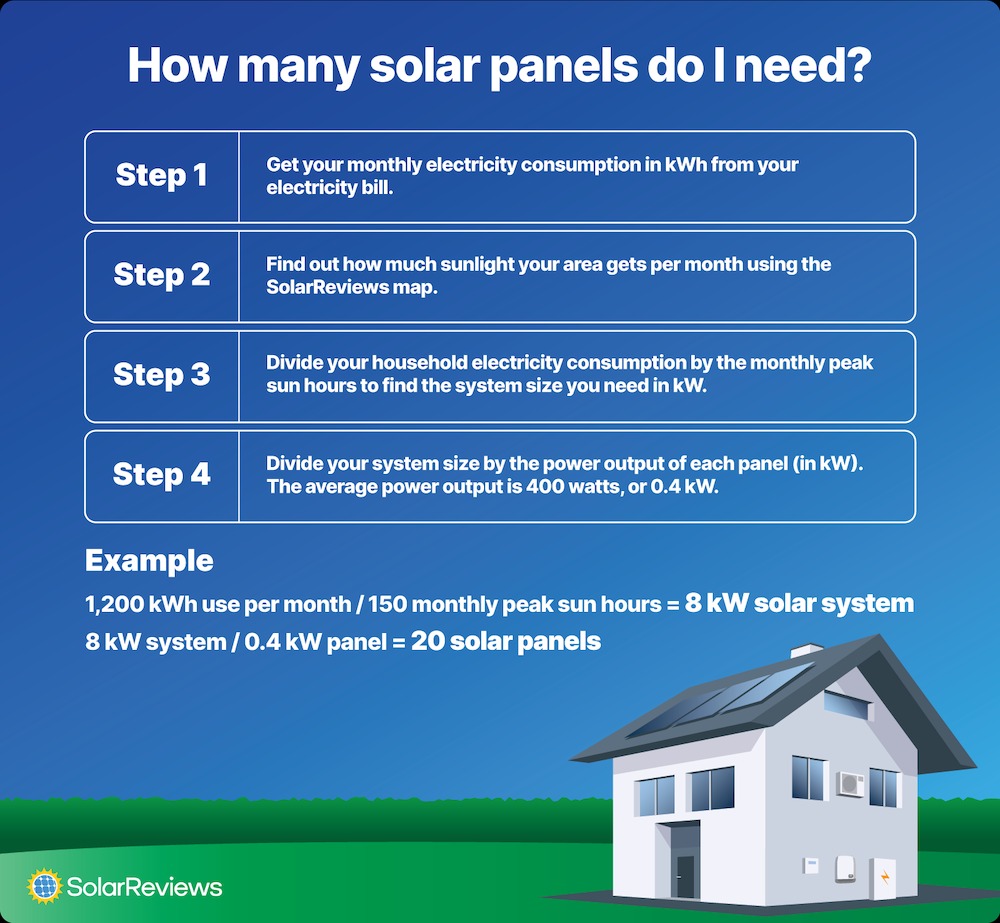
That's why we need to factor in something called "sun hours." This is basically the average number of peak sunlight hours your location gets per day.
A place like Arizona might get 6-7 sun hours a day, while somewhere like Seattle might get closer to 3-4. Big difference!
Crunching the Numbers: Let's Do Some (Easy) Math!
Let's say you have that 350-watt panel, and you live in a place with 5 sun hours per day. Multiply 350 watts by 5 hours, and you get 1750 watt-hours (Wh) per day.
To make it even easier, divide that by 1000 to get 1.75 kilowatt-hours (kWh) per day. Kilowatt-hours are what your electricity bill uses to measure energy consumption.
So, one 350-watt panel in a sunny spot can generate about 1.75 kWh of electricity each day. Pretty cool, huh?
Powering Your Life: What Can One Panel Actually Do?
Now for the fun part! What can you actually do with that 1.75 kWh of daily solar power?
Well, it depends on what you're powering. Let's look at some relatable examples. Prepare to be amazed!
- Your Fridge: A modern, energy-efficient refrigerator uses around 1-2 kWh per day. So, one panel could almost keep your fridge running all day long (you might need a little help from the grid, though!).
- Your TV: A 50-inch LED TV uses around 0.1 kWh per hour. So, that one panel could power your binge-watching session for a solid 17 hours! (Don't forget to sleep!).
- Your Laptop: A laptop typically uses around 0.05 kWh per hour. That single panel could keep you working (or playing) for a whopping 35 hours! Now that’s remote work freedom!
- Light Bulbs: An LED light bulb uses very little energy, maybe 0.01 kWh per hour. That means one panel could power 175 hours of light! Goodbye, darkness!
Of course, these are just estimates. Your actual energy consumption might vary depending on the specific appliance and how you use it.
Building Your Solar Empire: More Panels, More Power!
One panel is cool, but a whole array of panels? Now that's where the real magic happens.
The more panels you have, the more electricity you can generate. This is how you can power your entire home with solar energy, and even sell excess power back to the grid (hello, extra cash!).
Imagine a world where your electricity bill is zero, and you're actually getting paid for the sunshine hitting your roof. It's not a pipe dream – it's the power of solar!
Factors Affecting Your Solar Harvest
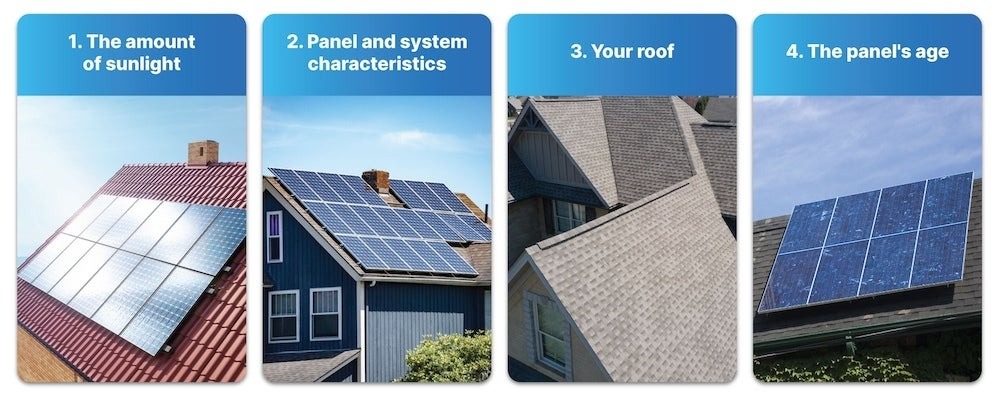
Remember those "perfect conditions" we talked about earlier? Here's a quick reminder of the factors that can affect your solar panel's output:
- Sunlight: Obviously, more sunlight equals more power. Sunny locations are ideal, but even cloudy areas can benefit from solar.
- Panel Angle: The angle of your panel relative to the sun matters. Ideally, it should be angled directly towards the sun for maximum absorption.
- Temperature: Solar panels actually perform slightly better in cooler temperatures. Excessive heat can reduce their efficiency.
- Shading: Avoid shading from trees, buildings, or other obstructions. Even a small amount of shade can significantly reduce power output.
- Panel Age: Solar panels degrade slightly over time. Their output will gradually decrease, but they typically last for 25-30 years.
The Bottom Line: Solar Power is Awesome!
So, how much electricity can a solar panel generate? The answer depends on a few factors, but even a single panel can make a significant difference in your energy consumption.
And when you combine multiple panels, you can unlock the full potential of solar power and create a truly sustainable energy solution.
It's not just about saving money; it's about reducing your carbon footprint and contributing to a cleaner, greener future. Plus, let's be honest, it's pretty darn cool to be powered by the sun!
So, go forth and explore the world of solar! Do some research, get some quotes, and see if solar power is right for you. You might be surprised at how much you can save – and how good you'll feel about it!
Remember to always consult with qualified solar installers for accurate assessments and safe installations. Don't try to wire up your own solar panels unless you're a trained professional!
Embrace the sunshine, embrace the savings, and embrace the power of solar!