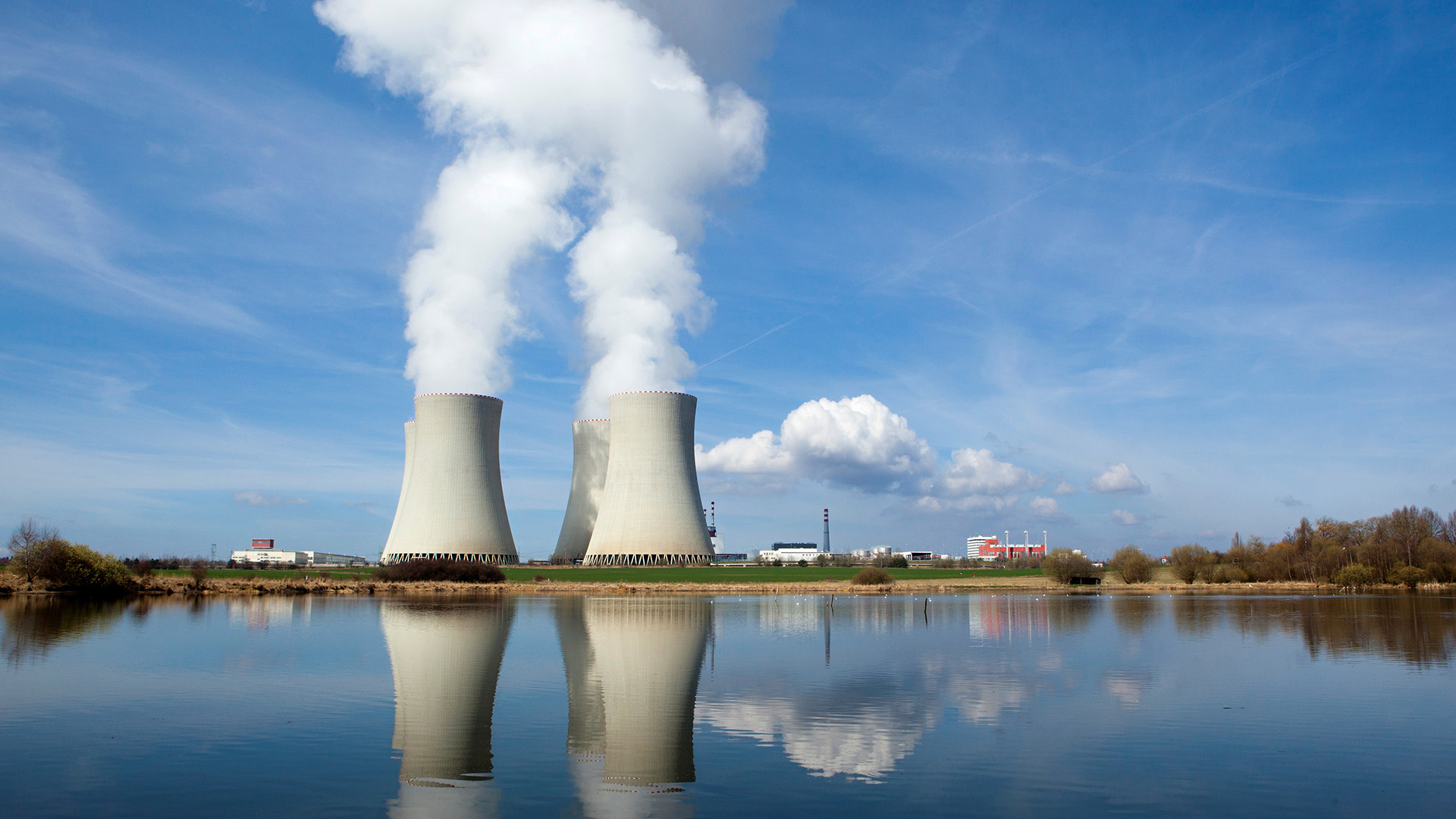
How Much Does Nuclear Energy Cost Per Kilowatt Hour
So, you're curious about nuclear energy? Awesome! It's like the superhero of the power grid, capable of incredible feats. But, like any superhero, it comes with a price tag. Let's dive into the fascinating, and sometimes surprisingly complex, world of nuclear energy costs, shall we?
Cracking the Nuclear Cost Code
Trying to figure out the exact cost per kilowatt-hour (kWh) for nuclear energy is a bit like trying to catch a greased pig at a county fair. It's slippery! There's no single, universally agreed-upon number. Why? Well, because lots of things influence the final price. We're talking about a long game here, with lots of moving parts.
Think about it this way: building a nuclear power plant isn't like popping up a lemonade stand. It's a massive undertaking. The initial construction costs are huge. We're talking billions of dollars! Imagine all the concrete, steel, and highly specialized equipment. That's before you even fuel it up!
Must Read
These upfront costs, also known as capital costs, have a big impact on the overall price of nuclear energy. They need to be factored in over the plant's entire lifespan, which can easily be 60 years or more. That's a lot of lemonade to sell to recoup your initial investment!
Fueling the Fire (Safely!)
Then there's the fuel. Nuclear power plants use uranium, which isn't exactly something you can pick up at the corner store. Mining, processing, and enriching uranium requires special processes and, you guessed it, more money. However, compared to other energy sources, the cost of the fuel itself is actually a relatively small portion of the overall expense. Surprisingly, right?
But wait, there's more! We can't forget about safety. Safety is paramount in the nuclear industry. There are rigorous regulations and procedures in place to ensure everything operates smoothly and safely. This involves constant monitoring, inspections, and highly trained personnel. All of that adds to the cost.
Waste Not, Want Not (But What To Do With the Waste?)
And then there's the elephant in the room: nuclear waste. Disposing of it safely is a complex and expensive challenge. It requires long-term storage solutions, and the cost of these solutions needs to be factored into the overall price of nuclear energy. It's like having a super-powered cleanup crew that needs to work for thousands of years!
So, What's the Magic Number?
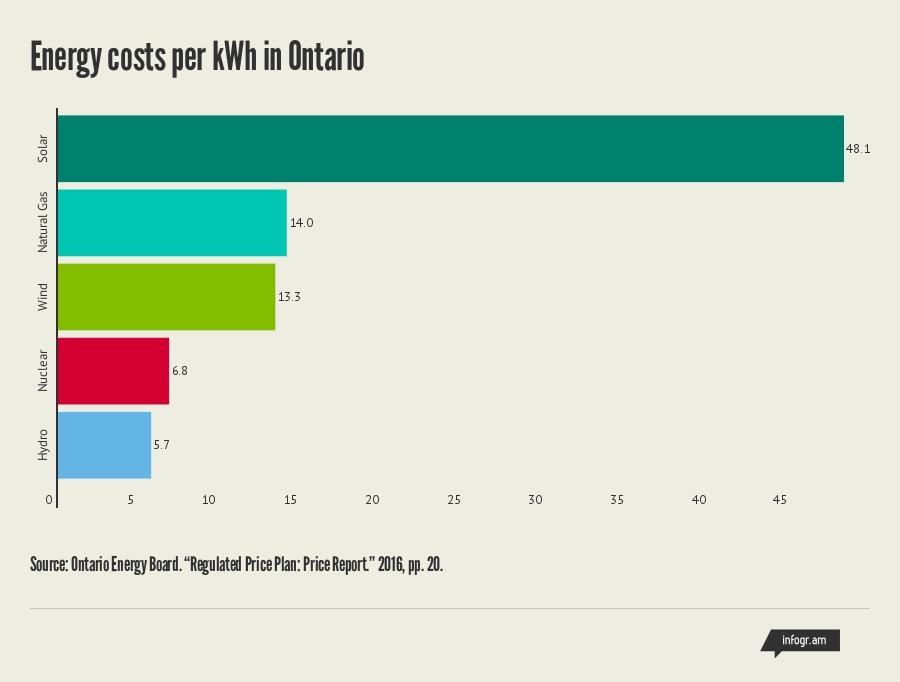
Okay, okay, I know what you're thinking: "Just give me a number!" Alright, alright, I'll give it a shot. Estimates for the cost of nuclear energy range from about $0.12 to $0.20 per kWh. But remember, that's just a ballpark figure. It can vary significantly depending on the specific plant, its location, and all the factors we've discussed.
Comparing it to other energy sources is where things get interesting. Renewables like solar and wind have become increasingly competitive, and in some cases, even cheaper than nuclear. However, nuclear energy has one major advantage: it can provide a consistent and reliable source of power, 24/7, 365 days a year. The sun doesn't always shine, and the wind doesn't always blow, but nuclear plants keep humming along.
The Future is Nuclear (Maybe!)
The future of nuclear energy is still being written. New reactor designs are being developed that promise to be safer, more efficient, and potentially cheaper to build. These advanced reactors could play a significant role in meeting future energy demands while reducing carbon emissions. It’s an exciting time to be following the energy sector.
Ultimately, the cost of nuclear energy is a complex equation with many variables. But hopefully, this has given you a better understanding of the factors that influence the price. Whether you're a seasoned energy expert or just a curious observer, the world of nuclear power is definitely worth keeping an eye on.
So, next time you flip on a light switch, take a moment to appreciate the incredible technology that powers our world. And maybe, just maybe, imagine a tiny uranium atom working its magic inside a nuclear reactor!