
How Much Does It Cost To Turn Electric On

Alright, settle in, grab your metaphorical (or actual) coffee, because we're about to dive into one of life's great mysteries, right up there with "where do all my socks go?" and "why does toast always land butter-side down?" Today, we're tackling the electrifying question: "How Much Does It Cost To Turn Electric On?"
Now, you might think it's as simple as flipping a switch, right? Like, you move into a new place, mumble a magic word, and poof – lights! Ah, if only life were a charming Disney musical. In reality, it's often more like a bureaucratic rom-com, full of surprising fees, a little bit of drama, and eventually, the sweet relief of a working refrigerator.
The "Welcome to the Grid" Gauntlet
First up, let's talk about the initial shockers, the ones that hit you before you even see a flicker of light. When you're connecting a new service, or reactivating an old one, your friendly neighborhood utility company might greet you with a few fun little charges. These are often called connection fees, service activation fees, or simply, "the fee for making the electrons dance your way."
Must Read
These can range from a polite $25-$50, to a slightly less polite $100 or more, depending on where you live and the utility's specific brand of paperwork. Think of it as the cover charge for the exclusive club that is "Having Power." Sometimes, if you're reactivating power that was disconnected for a long time, they might even send a technician out, and guess what? That technician's time is often billed to you. So, that's another potential little surprise party for your wallet.
The Dreaded Security Deposit: Because Trust is Expensive
Ah, the security deposit. This is where your wallet might do a little sob. Utility companies, bless their cotton socks, sometimes ask for a deposit. Why? Well, they're essentially saying, "We'd love to trust you, but our lawyers said no." It's their way of making sure that if you suddenly decide to move to a remote yurt and forget to pay your last bill, they're not left holding the bag (of unpaid electrons).
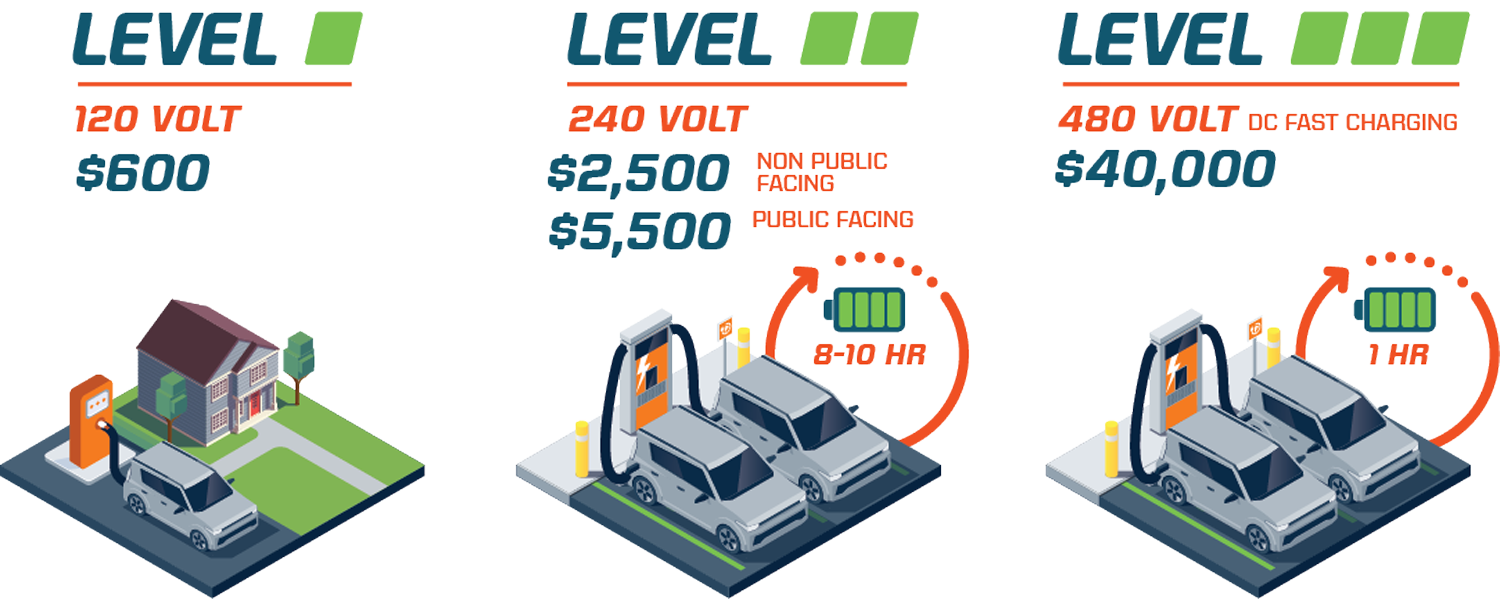
The amount of this deposit can vary wildly, sometimes from a modest $100 to a staggering $500 or even more! It often depends on your credit history. Got a pristine credit score? You might be waived entirely. Had a few financial "oopsie-daisies" in the past? They might ask for more, perhaps even based on the estimated highest bill for your property type. It’s like a financial lie detector test, but instead of lies, it just detects your past relationship with money.
The good news? These deposits are often refundable after a certain period (usually 6-12 months) of on-time payments, or when you close your account. So, it's not lost money, just... money that's taking a very long vacation in someone else's bank account.
Beyond the "On" Button: The Ongoing Saga
Okay, so you've navigated the initial hurdles, paid your dues, and now your lights are on! Huzzah! But the question isn't just about turning it on, is it? It's about keeping it on without feeling like you're personally funding a small country's annual budget. This is where the monthly bill comes into play, and it’s a whole different beast.
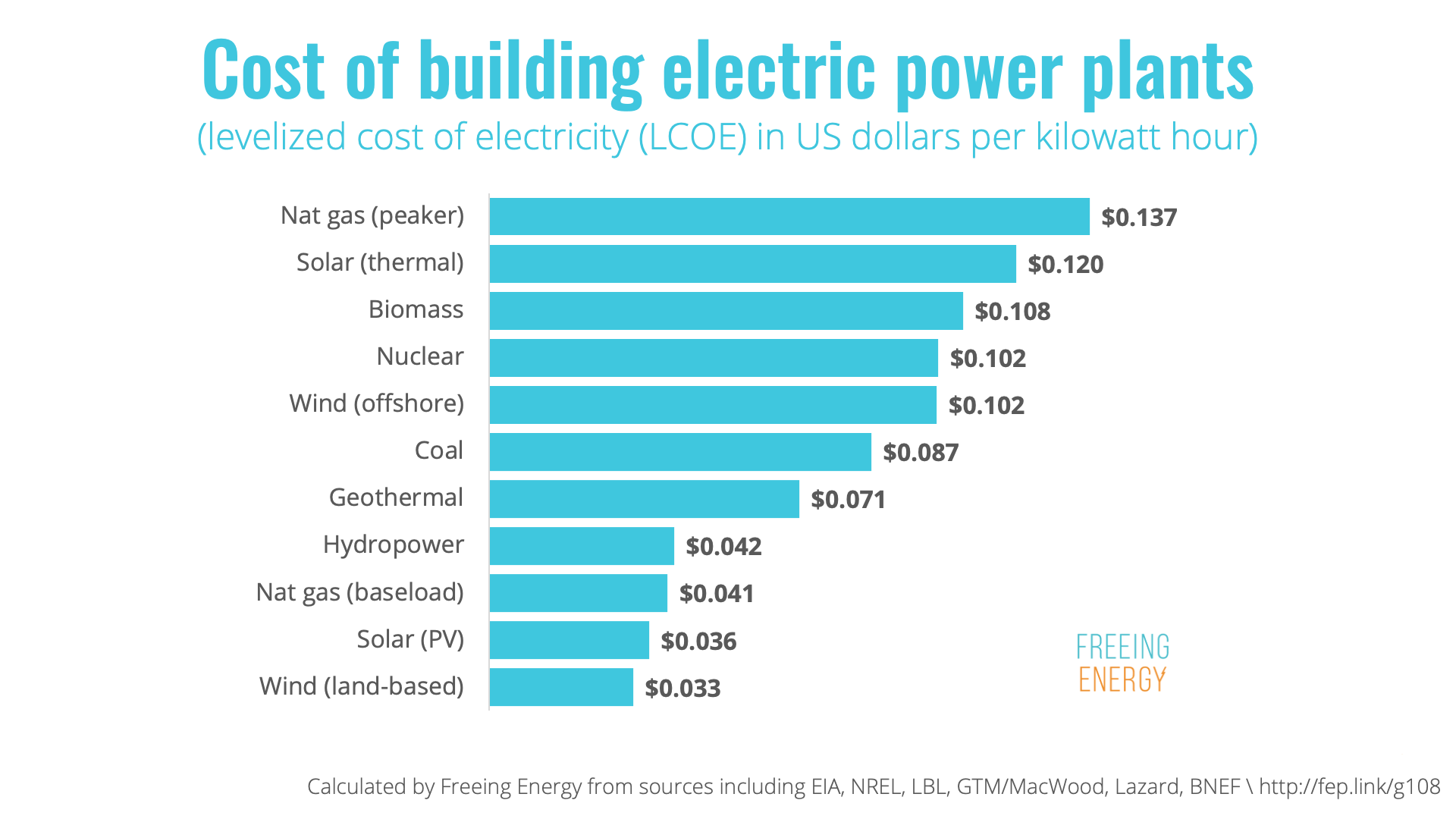
The Price Tag Per Electron (aka Rates)
Electricity rates are like a secret handshake – they seem complex, but once you know the rhythm, it's manageable. You've got your fixed-rate plans, which are wonderfully predictable, like that friend who always orders the same thing at a restaurant. Then there are variable-rate plans, which are more like that friend who decides to backpack through Nepal on a whim – exciting, but potentially unpredictable!
Some areas even have time-of-use (TOU) rates, where electricity costs more during peak hours (when everyone's making dinner or watching TV) and less during off-peak hours (like when you're dreaming of electric sheep). It’s like happy hour for your appliances, if your appliances had cocktail preferences.
Rates themselves can be anywhere from a modest $0.10 per kilowatt-hour (kWh) to a wallet-wincing $0.30+ per kWh, depending on your state, provider, and the whims of the energy gods. That's a huge difference! Imagine paying $0.10 for a coffee versus $0.30 for the exact same cup. It adds up, folks.
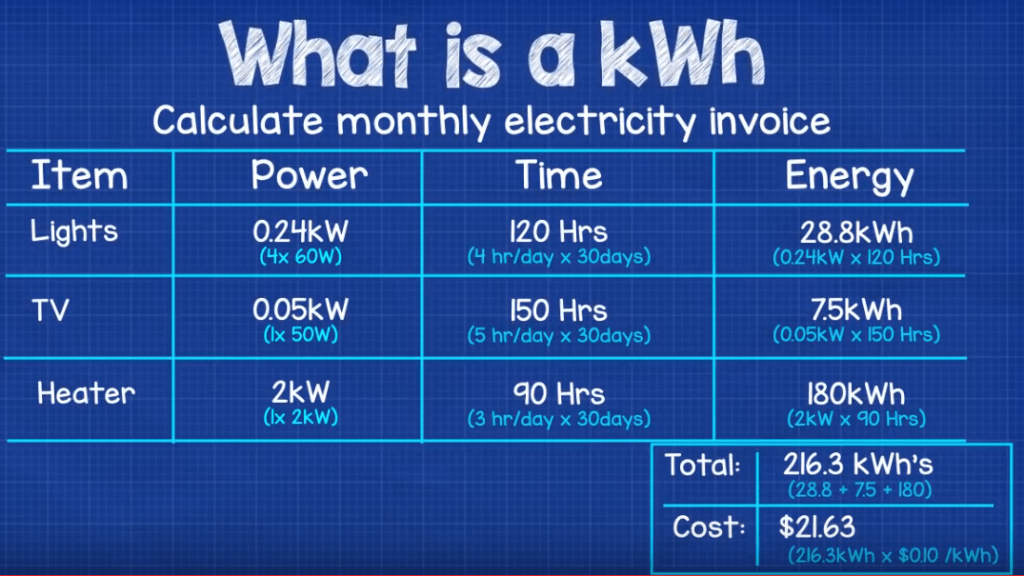
Your Personal Energy Appetite: Who's Eating All the Watts?
Your actual monthly bill, once all the connection fun is over, is largely down to how much juice you're guzzling. Think of your home as a hungry monster. Is it a gentle, vegan monster sipping green smoothies? Or is it a ravenous beast demanding 24/7 air conditioning, a gaming PC running multiple monitors, and a hot tub that's always bubbling?
A typical household might spend anywhere from $80 to $200 a month on electricity, but this is a massive range. Your climate plays a huge role – blasting AC in Arizona in July is going to look different than modest heating in temperate Oregon. The age of your appliances, the insulation in your walls, and your personal tech addiction levels all contribute.
Surprising fact: Did you know leaving your phone charger plugged into the wall, even without the phone attached, still draws a tiny bit of power? It's called "phantom load" or "vampire power." Your house might be bleeding watts while you sleep! It's not a lot, but multiply that by every charger, TV, and gaming console, and suddenly your electric bill has its own tiny, sneaky minions.

Keeping the Electric Bill from Giving You Actual Shocks
So, how do you keep these costs from spiraling into a dystopian nightmare where you can only afford to power one light bulb and a radio?
- Be a Smarty-Pants with Thermostats: Smart thermostats can learn your habits and save you a bundle.
- LED All the Way: Ditch those old incandescent bulbs. LEDs are like the supermodels of the lighting world – efficient and long-lasting.
- Unplug the Vampires: Get power strips with on/off switches. Flip them off when not in use.
- Embrace Efficiency: When buying new appliances, look for the Energy Star label. It's like a gold star for being thrifty!
- Know Your Rates: Understand if you're on a fixed, variable, or TOU plan and adjust your heavy usage times accordingly.
The Electrifying Conclusion
Turning the electric on isn't just a flick of a switch; it's a journey through connection fees, credit checks, and the fascinating world of kilowatt-hours. It might cost you an initial chunk of change – potentially anywhere from $50 to $600+ for connection and deposit, depending on your circumstances and zip code. But once you're plugged in, the real ongoing cost becomes a dance between your chosen rate plan and your personal energy consumption habits.
It’s a necessary expense, of course. We can complain about it, but try living a day without your phone charger, Wi-Fi, or that magical glowing box that holds all your Netflix dreams. Suddenly, those fees don't seem quite so bad, do they? Just remember, knowledge is power – and in this case, it can save you some actual power (and money!). Now, go forth and illuminate your life, financially informed and ready for anything!