How Much Does It Cost To Replace Starter

Ah, the infamous "click, click, click." That heart-sinking sound when you turn the key, and your car responds with nothing more than a mechanical sigh. It’s a moment most drivers dread, a sudden halt to your day that often points to one culprit: a failing starter motor. But before you panic about your wallet, let's turn this moment of automotive anxiety into an opportunity for empowerment, learning, and maybe even a little bit of unexpected joy!
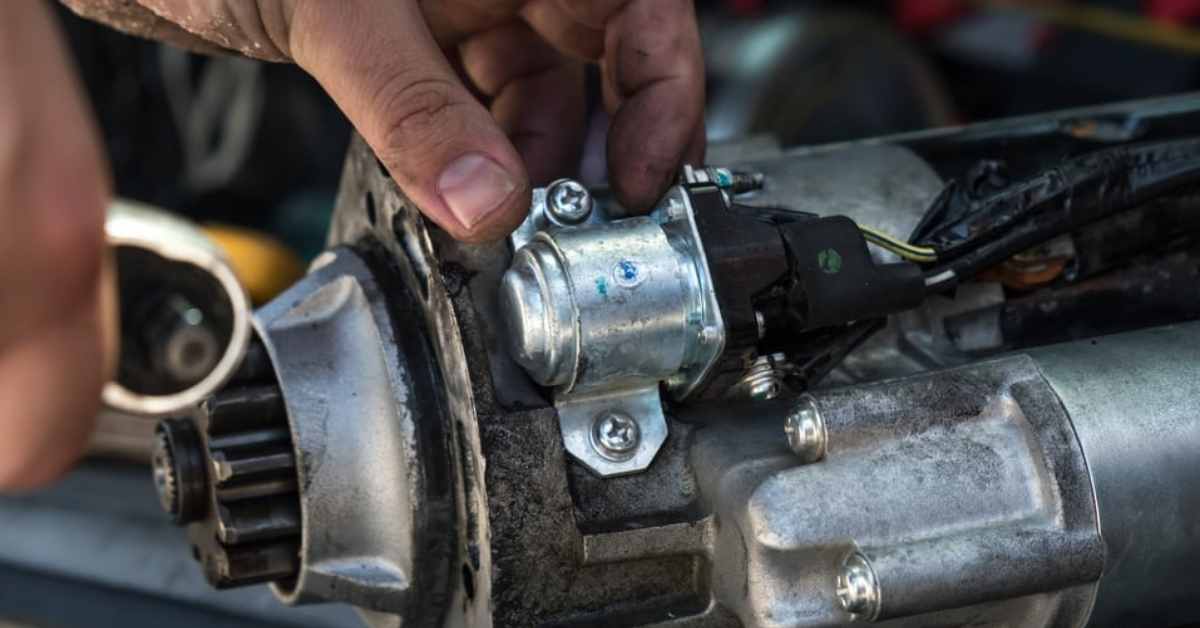
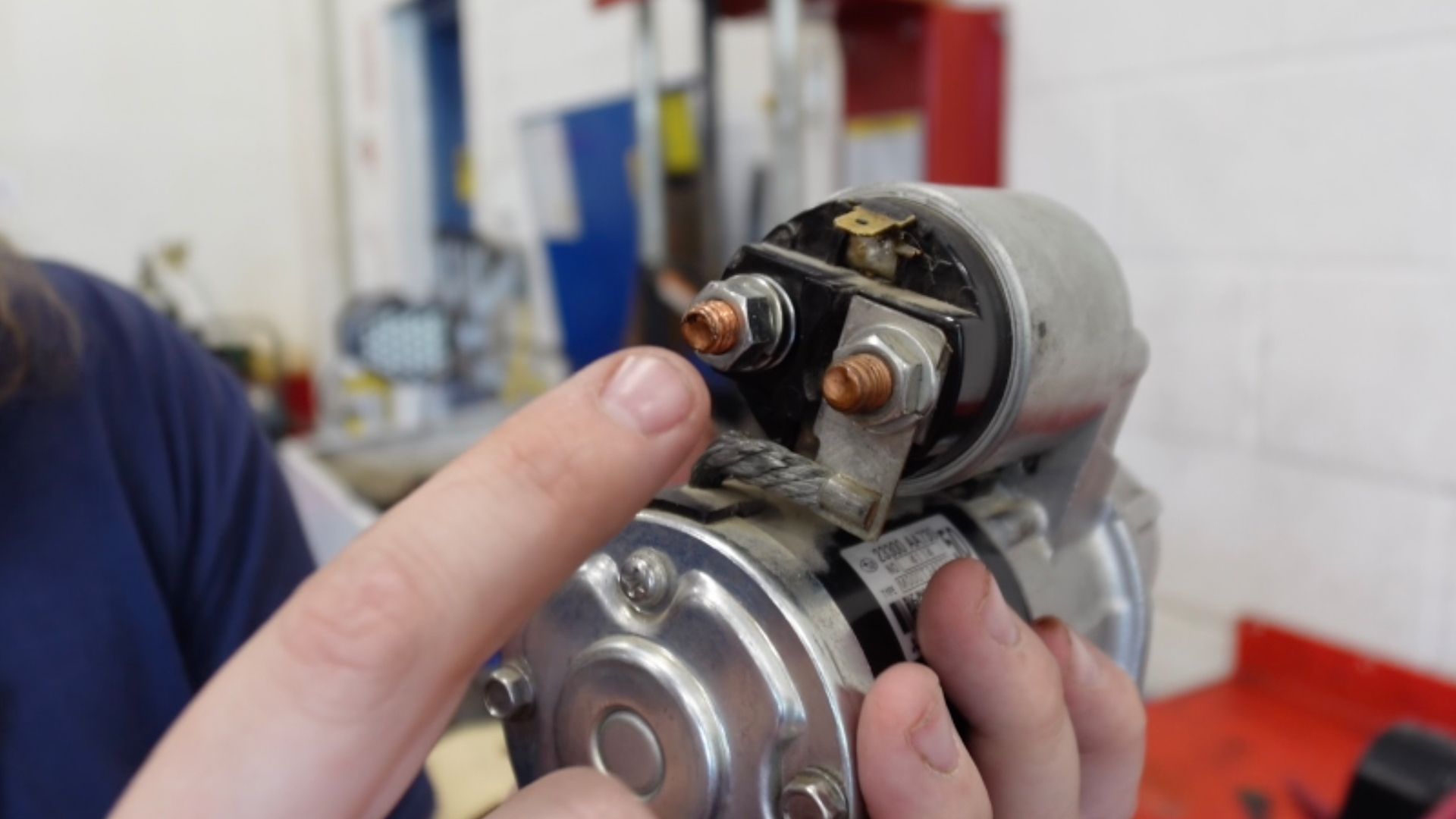
You might be asking, "How much does it cost to replace a starter?" And while that's a perfectly practical question, let's explore it through a slightly different lens – one that appreciates the hidden value, even the subtle "artistry," in understanding and maintaining your trusty steed. For the uninitiated, the starter is a small electric motor that kicks your engine into action. When it falters, your car just sits there, an expensive paperweight. But addressing it doesn't have to be a solely financial burden; it can be a rewarding journey for the hobbyist, the casual learner, or anyone looking to connect more deeply with their vehicle.
So, let's talk numbers, because that's the core question. The cost of replacing a starter generally falls into two camps: professional installation or DIY. A new or remanufactured starter motor itself can range anywhere from $100 to $400+, depending on your vehicle's make, model, and whether you opt for an aftermarket part or an original equipment manufacturer (OEM) part. This is the "part cost." Add to that the "labor cost" if you go to a mechanic, which can typically run another $200 to $600+, depending on the mechanic's rates and how accessible the starter is in your specific car. All told, a professional replacement can often land anywhere from $300 to over $1000. That's a significant chunk of change!
Must Read
This wide variation is where the "benefits for hobbyists and casual learners" truly shine. By tackling this job yourself, you're not just saving a significant amount of money; you're gaining invaluable experience. Think of it as investing in your own skill set! The "styles" here aren't artistic, but rather practical problem-solving – the patient removal of bolts in tight spaces, the careful disconnection of wires, the satisfying click as a new part slots perfectly into place. It’s an exercise in focus, precision, and mechanical empathy, much like assembling a complex model or mastering a new craft.
Ready to try it at home? Here are a few tips to get you started:
- Research is your best friend: Scour YouTube for videos specific to your car's make and model. Invest in a repair manual.
- Safety first, always: Disconnect the battery! Use proper jack stands if lifting the car. Eye protection is non-negotiable.
- Gather the right tools: A good socket set, various wrenches, and maybe a multimeter to test electrical connections.
- Patience, grasshopper: It might take longer than you think. Don't rush.
- Don't be afraid to ask: Automotive forums and knowledgeable friends are great resources.
Ultimately, the enjoyment of replacing a starter isn't just about the money saved. It's about the profound satisfaction of turning the key after your hard work, hearing that glorious, robust engine roar to life, and knowing you did it yourself. It's the pride of understanding your machine, solving a tangible problem, and gaining a new level of self-reliance. It’s a small victory that makes you feel like a pro, and that, my friends, is truly priceless.