
How Much Does It Cost To Replace A Electrical Panel
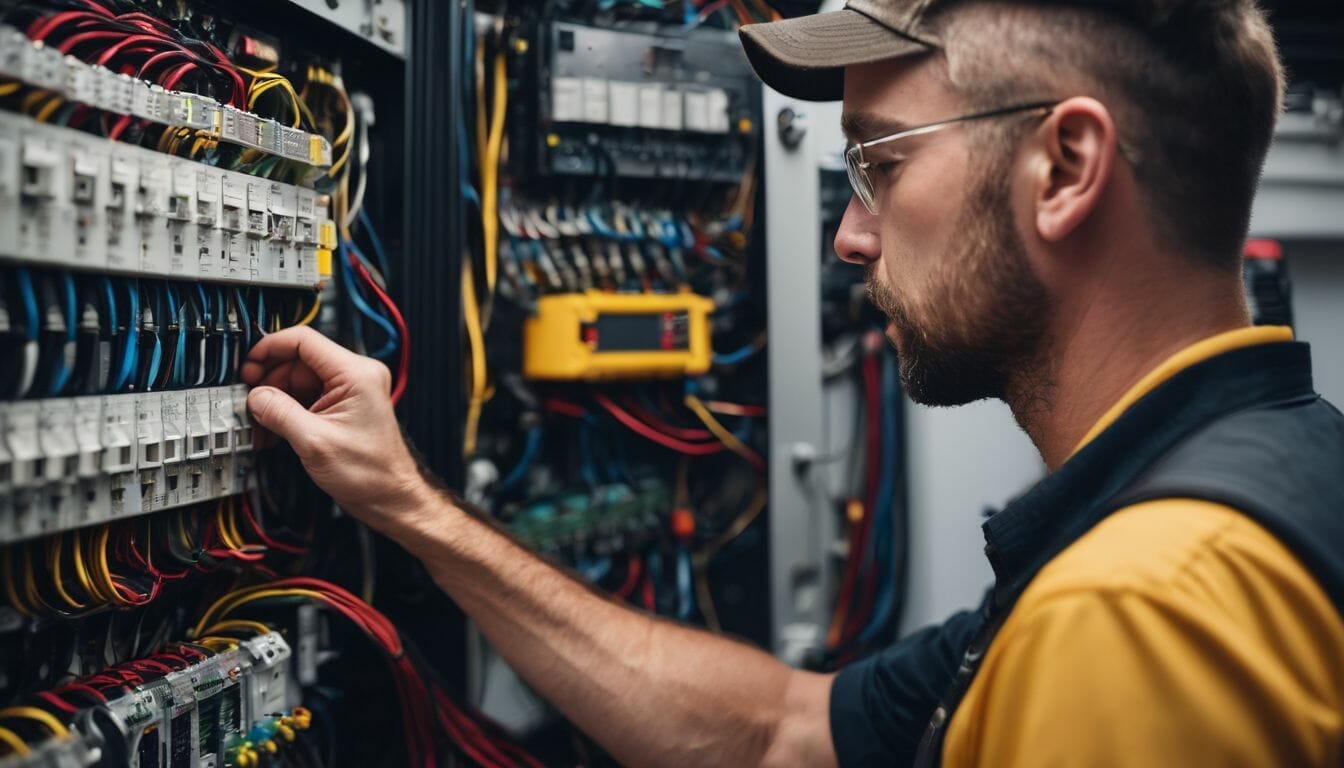
Okay, let's talk electrical panels. That gray box humming (or, ideally, not humming ominously) in your basement, garage, or maybe even a closet? Yeah, that one. It's the heart of your home's electrical system, and like any vital organ, it sometimes needs a little TLC, or, you know, a complete replacement. And the big question always is: How much is this going to hurt my wallet?
Think of your electrical panel like your car's engine. You can ignore that weird noise for a while, maybe slap some duct tape on a loose wire (don't actually do that! Seriously!), but eventually, it's going to need a proper fix. And sometimes, a fix just isn't enough. Sometimes, you gotta spring for a new engine, or in this case, a new panel.
So, how much does a new "engine" cost? Well, that's where things get a little…complicated. Kind of like trying to assemble IKEA furniture without the instructions.
Must Read
The Factors That Influence the Price
Several things play a role in determining the cost of a new electrical panel. Let's break it down, shall we?
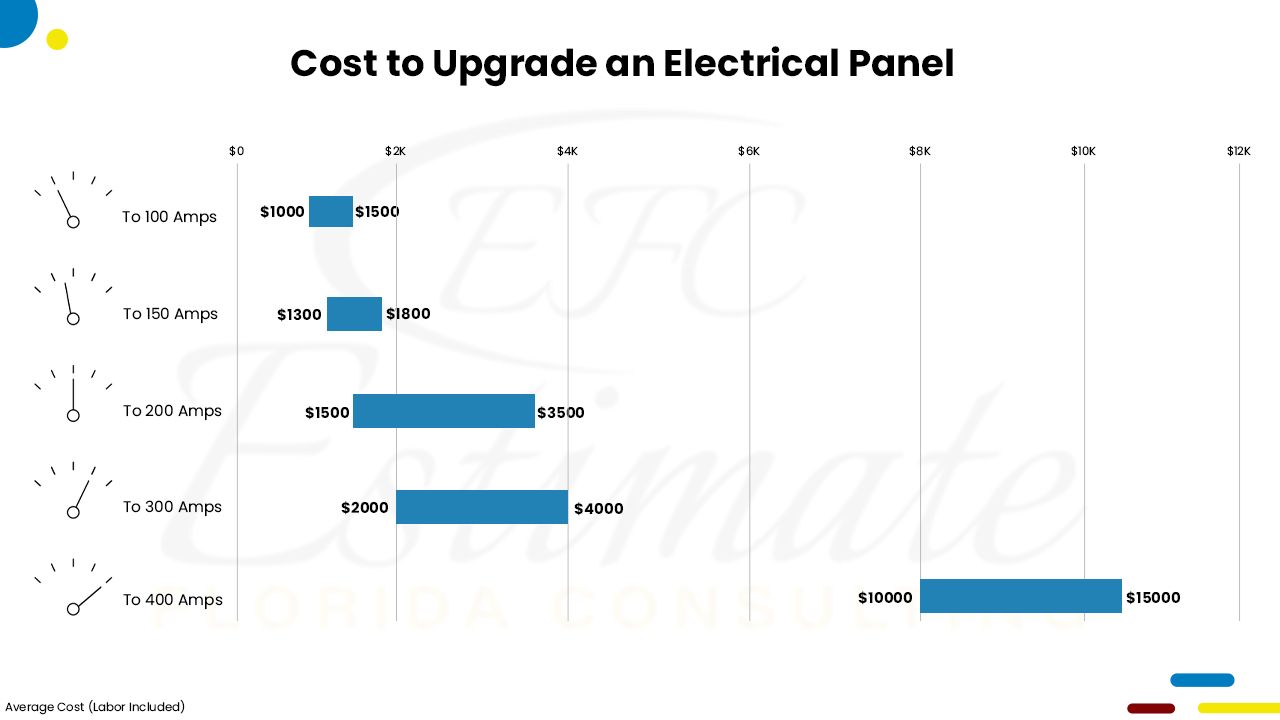
Panel Size: This is a big one. Panel size is measured in amps. A 100-amp panel might be fine for a small apartment, but a larger house with all the modern conveniences (think big screen TV, gaming consoles, kitchen appliances, maybe an electric vehicle charger) will likely need a 200-amp panel, or even larger. More amps = more capacity = more money, plain and simple.

Location, Location, Location: Just like real estate, location matters! If your panel is easily accessible and in a straightforward location, the job will be easier (and cheaper) for the electrician. If it's tucked away in a cramped corner of a dusty basement behind a stack of old holiday decorations? Expect to pay a little more. It's like trying to change a tire in a muddy ditch – it's just not as fun (or inexpensive).
Permits and Inspections: Replacing an electrical panel almost always requires a permit and an inspection. This ensures the work is done safely and up to code. The cost of these permits varies depending on your location, but it's an essential expense. Think of it as your "get out of jail free" card if something goes wrong down the line.
Electrician Rates: Electricians, like any skilled professional, charge by the hour (or by the job). Their rates can vary depending on their experience, qualifications, and location. Get a few quotes from different licensed electricians to compare prices. Don’t just go for the cheapest option, though. Make sure they’re licensed and insured! Hiring a shady "handyman" to do electrical work is like performing surgery on yourself based on a YouTube tutorial – a really, really bad idea.
Upgrades and Extras: Are you planning on adding new circuits for that home theater you've always dreamed of? Or maybe you're adding a subpanel for a workshop in the garage? These extra features will add to the overall cost, but they can also add a lot of value to your home.
Ballpark Figures (Prepare for Sticker Shock)
Alright, alright, I know you want numbers. So, here's a general idea of what you can expect to pay for an electrical panel replacement:

Basic Replacement (100-amp to 100-amp): $800 - $1500
Upgrade (100-amp to 200-amp): $1500 - $3000 (or more!)
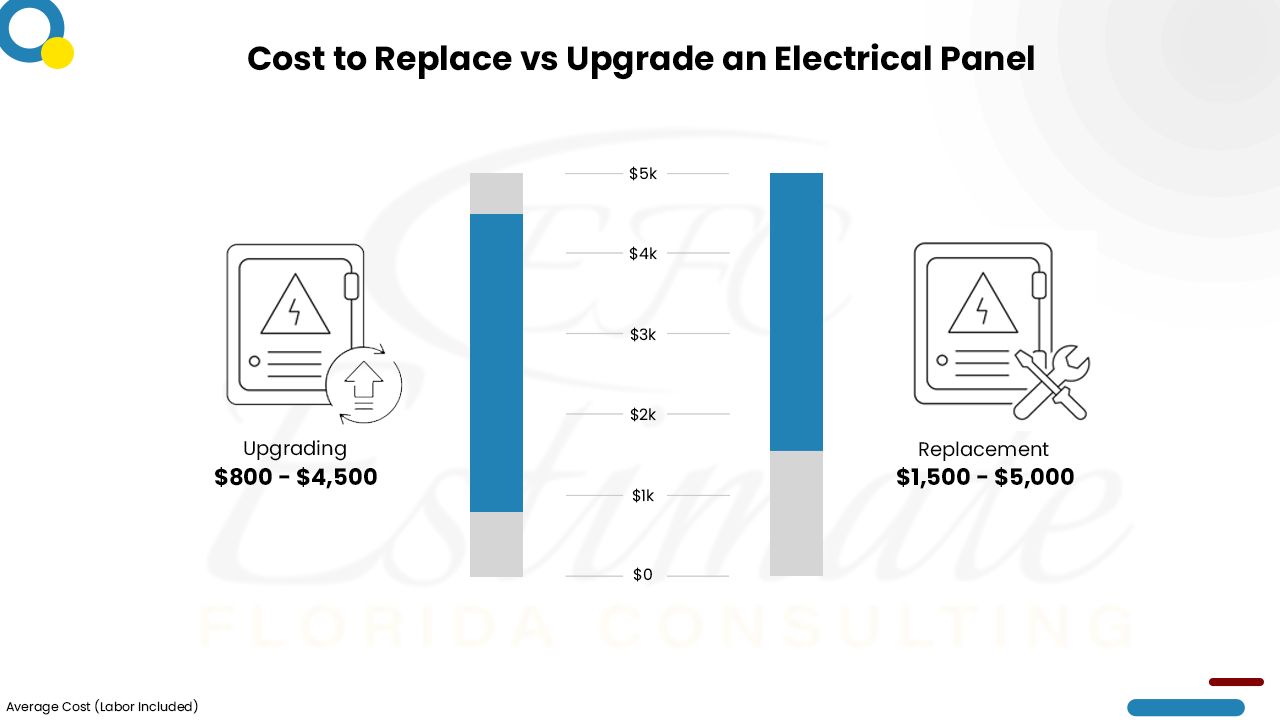
Keep in mind that these are just estimates. Your actual cost could be higher or lower depending on the factors mentioned above. Get multiple quotes from qualified electricians to get a more accurate picture.
Pro Tip: Don't wait until your electrical panel is literally sparking and smoking to think about replacing it. Regular inspections and maintenance can help you catch problems early and avoid a costly emergency. It's like changing the oil in your car – a little preventative maintenance can save you a lot of trouble (and money) in the long run.
So, there you have it. Replacing an electrical panel isn't exactly cheap, but it's a necessary investment in the safety and functionality of your home. Just remember to do your research, get multiple quotes, and hire a licensed professional. And hey, maybe while they're at it, they can install that ceiling fan you've been putting off for years. Kill two birds with one stone, right?