
How Much Does It Cost To Install A 220 Outlet

Okay, picture this: I'm sweating, wrestling with a stubborn extension cord that's clearly not designed for my new table saw. Sparks nearly flew (not the fun kind). That's when I realized – I needed a 220 outlet. A real one. No more dodgy DIY setups. But then the question hit me: How much is this power upgrade actually going to cost? It’s not like you can just Google “free electricity,” right? (If you find that, let me know!)
So, I plunged into the world of electrical work, quotes, and enough acronyms to make my head spin. And I’m sharing what I learned because, let's face it, nobody wants to get shocked by an unexpectedly high bill after getting shocked by faulty wiring. Figuratively speaking, of course. Please hire a professional!
The Core Costs: Breaking It Down
Alright, let's dissect this thing like a frog in high school biology (remember that?). The price of installing a 220 outlet isn’t a single, straightforward number. It's more like a recipe with several key ingredients.
Must Read
1. Electrician Labor: The Expert Touch
This is the big kahuna, the main event. Labor costs vary wildly depending on your location. Think New York City versus, say, rural Kansas. (No offense, Kansas! I hear the sunsets are amazing.) Expect to pay anywhere from $50 to $150 per hour for a licensed electrician. Always ensure they are licensed and insured. Don't skimp on this; trust me, electricity is not something to play around with.
The time it takes to install the outlet will vary as well. A simple install – meaning the panel is close, and there's easy access – might only take a couple of hours. But if walls need to be opened, wires need to be run through tricky spaces, or your electrical panel needs an upgrade... well, buckle up. Time equals money, my friend.

2. Materials: Wires, Outlets, and More!
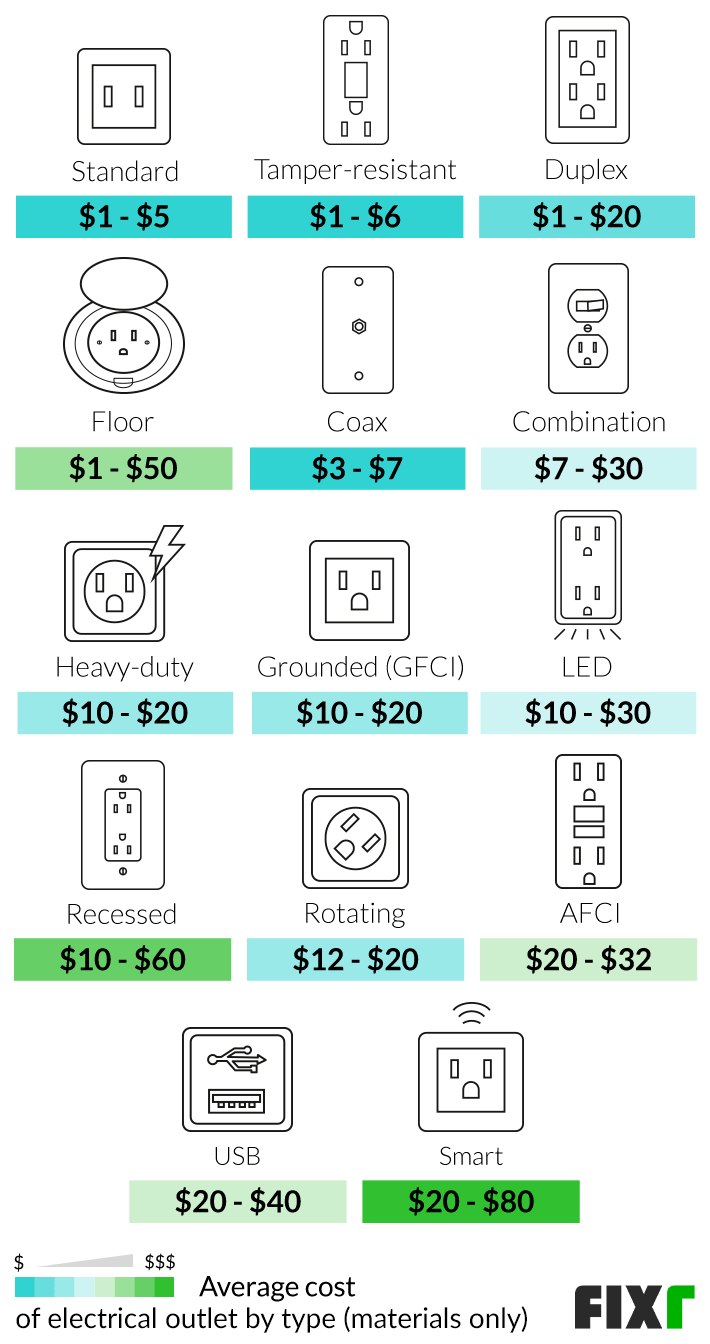
Then there's the hardware: the 220 outlet itself (probably around $10-$30), the appropriate gauge wire (crucial for safety!), conduit if needed, a new breaker for your electrical panel, and any other little bits and bobs. The cost of these materials can range from $50 to $200, depending on the length of the wire run and the complexity of the installation.
3. Permits: Because Rules Exist (For a Reason!)
Don't forget the permit! Many municipalities require permits for electrical work. This ensures the job is done safely and up to code. Permit costs can range from $50 to $200, again depending on where you live and the scope of the project. Ignoring permits might seem like a way to save money upfront, but it can lead to big headaches (and potential fines) down the road. Imagine selling your house and having to disclose unpermitted electrical work? Yikes!

Factors That Inflate the Price (Be Prepared!)
So, you have a rough idea of the base costs. But what about those hidden price goblins lurking in the shadows? Here are a few things that can send your bill skyrocketing:
- Distance to the Panel: The further the outlet is from your electrical panel, the more wire is needed, and the more labor is involved. That long, winding path through your attic isn't free, you know.
- Electrical Panel Upgrade: If your electrical panel is old, full, or can't handle the extra load of a 220 outlet, you'll need to upgrade it. This can add a significant chunk of change to the project – potentially hundreds or even thousands of dollars.
- Wall Access: If the electrician needs to cut into walls to run the wiring, you'll also have to factor in the cost of patching and painting. Ugh, the dreaded drywall dust!
- Location, Location, Location: As mentioned, prices are higher in metropolitan areas due to higher labor costs and overall cost of living.
Getting a Quote: Do Your Homework!
The best way to get an accurate estimate is to get multiple quotes from licensed electricians. Explain exactly what you need and ask for a detailed breakdown of the costs. Don't be afraid to ask questions! A good electrician will be happy to explain the process and answer your concerns. Don’t just pick the cheapest option – consider their experience, reviews, and overall professionalism. You want someone who knows their stuff, not someone who’s going to cut corners. Your safety is worth more than a few bucks.
The Bottom Line: What's the Damage?
So, after all that, what's the final tally? A simple 220 outlet installation might cost anywhere from $200 to $500. However, if you need a panel upgrade or have a complex installation, the price could easily climb to $1000 or more. Yes, it’s a pretty wide range, but it depends on the particular circumstances.
Ultimately, installing a 220 outlet is an investment in convenience and safety. It's worth doing it right. Plus, no more extension cord wrestling matches. And that, my friends, is priceless. Well, almost.
![Cost to Install a 220V or 240V Outlet [2025 Update] - HomeGuide](https://static.homeguide.com/assets/images/content/homeguide-electrician-installing-new-outlet-and-switch-thumbnail.jpg)