How Much Does It Cost To Get Electric Turned On

Ever wondered what happens the instant you move into a new place and flip that light switch? Magic, right? Well, kind of. But behind the scenes, there's a whole system humming, and a bill associated with getting that juice flowing. We’re going to unravel the mystery of how much it really costs to get your electricity turned on. It's not just about flipping a switch; it’s about understanding a fundamental part of modern life, and frankly, avoiding any nasty surprises on your first utility bill. Plus, knowing the costs can help you budget effectively when you move, which is always a bonus!
The purpose of understanding these costs goes beyond just avoiding sticker shock. It's about being an informed consumer. Knowing what contributes to the initial cost helps you make smart decisions about your energy usage, potentially saving you money down the line. Think of it as a crash course in "adulting" - learning the ins and outs of essential utilities.
So, what contributes to the cost? Several factors are at play. First, there's often a connection fee or activation fee charged by your electricity provider. This is a one-time charge that covers the administrative costs of setting up your account and physically turning on the power to your property. This fee can vary widely depending on your location and the electricity company, ranging from a nominal $20 to upwards of $100 or more. Then, depending on your credit history, the utility company may require a deposit. This is essentially a security measure to protect them against potential non-payment. A good credit score can often waive this deposit, or significantly reduce it. The deposit is usually refundable, but it's an upfront cost you need to factor in.
Must Read
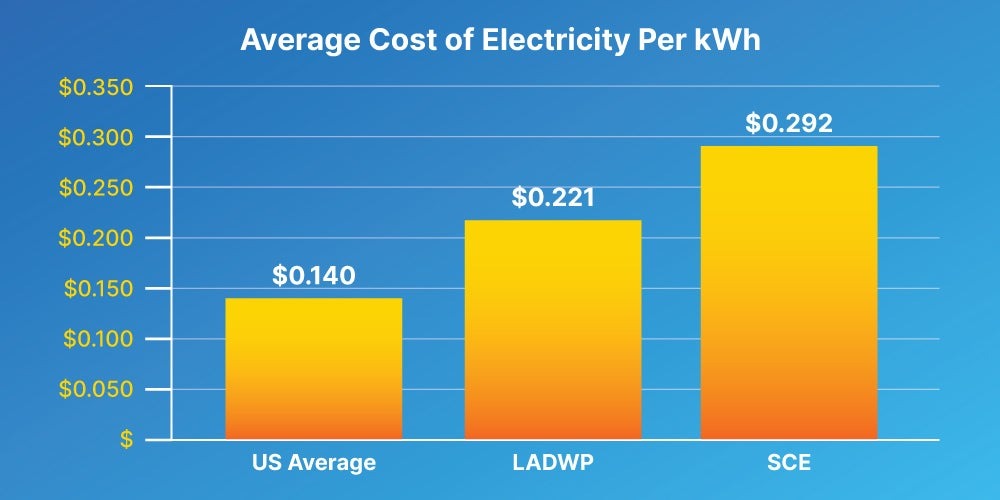
Beyond these initial fees, there’s the ongoing cost of the electricity itself. Although not technically part of the “turn-on” cost, it's directly linked to having the power switched on. The rate you pay per kilowatt-hour (kWh) will dramatically impact your bill. These rates vary depending on your location, the time of year (summer months often see higher rates due to increased air conditioning use), and your chosen energy plan. Some providers offer fixed-rate plans, which provide price stability, while others have variable rates that fluctuate with the market. Understanding these rates is crucial for budgeting.
How can you use this knowledge in your daily life? Well, consider this: you’re moving into a new apartment. Before even signing the lease, research the electricity providers in the area. Compare their connection fees, deposit requirements, and kWh rates. This simple step can save you a significant amount of money. In education, this topic can be incorporated into basic economics or personal finance lessons, teaching students about responsible budgeting and utility management. You might even have students compare electricity rates from different providers as a classroom activity, enhancing their analytical skills.
Want to explore this further? Start by visiting the websites of the electricity providers in your area. Most have online calculators that allow you to estimate your monthly bill based on your usage. You can also compare plans and see the fine print regarding connection fees and deposits. A simple phone call to a provider's customer service can also clarify any specific questions you have. Don't be afraid to shop around! Just like with any service, comparing different providers is key to finding the best deal for your specific needs. Remember, being proactive and informed is the best way to power up your savings and avoid any electrifying surprises.