How Much Does It Cost To Charge Your Electric Vehicle

Okay, let's talk about something that's becoming increasingly relevant, and frankly, pretty interesting: How much does it actually cost to charge an electric vehicle (EV)? With more and more EVs zipping around, it's a question on a lot of minds, even if you're not quite ready to trade in your gasoline guzzler just yet. Understanding the economics of EV charging is not only smart financial planning, but it also gives you a peek into the future of transportation.
The purpose of figuring out the cost of EV charging is straightforward: it helps you understand the true cost of owning an electric vehicle. While the upfront price of an EV might seem higher than a comparable gasoline car, the running costs can be significantly lower. Understanding the energy cost allows you to budget accurately and compare the long-term expense. The benefits? Well, aside from potential savings, you'll also gain a better understanding of your energy consumption, contributing to a more sustainable lifestyle, and reducing reliance on fossil fuels.
Let's break it down with some examples. Imagine you're a student studying environmental science. Calculating the charging costs of EVs could be a great way to illustrate the economic advantages of sustainable transportation solutions in your presentations or research papers. Or, in daily life, knowing your charging costs allows you to make informed decisions about when and where to charge. For example, charging at home overnight during off-peak hours is often much cheaper than using public charging stations during the day. This knowledge empowers you to optimize your energy usage and save money.
Must Read
So, how do you calculate it? The basic formula is pretty simple: Electricity cost per kWh x Battery capacity (kWh) used = Charging cost. Let's say your local electricity rate is $0.15 per kWh, and you need to charge 40 kWh to refill your battery. That's $0.15 x 40 = $6.00. Pretty straightforward, right? Of course, things get a bit more complex when you factor in different charging levels (Level 1, Level 2, DC Fast Charging) and potential charging fees at public stations. Also, understand that the efficiency of the charging and the efficiency of the vehicle will impact this as well.
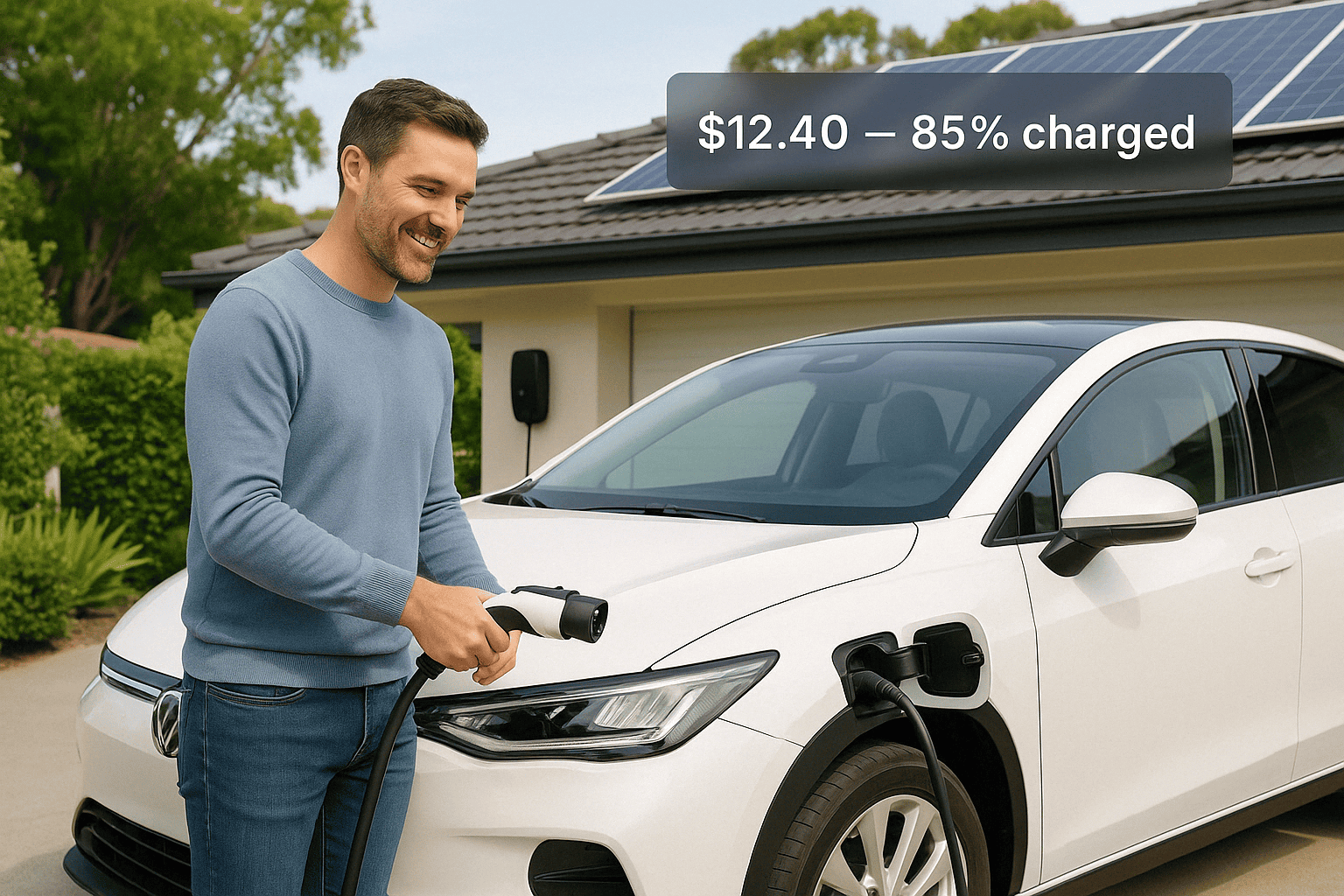
Here are a few practical tips to explore this further: Check your local electricity rates. These vary significantly depending on your location and time of day. Many utility companies offer time-of-use rates that reward charging during off-peak hours. Download an EV charging app like PlugShare or ChargePoint. These apps not only help you find public charging stations but also often display the charging cost per kWh. Finally, experiment! If you already own an EV, keep track of your charging costs and compare them to your gasoline expenses. You might be surprised at the savings!
Don't be intimidated by the numbers. Calculating EV charging costs is a relatively simple exercise that can save you money and empower you to make more informed decisions about your transportation. Embrace the electric revolution, one kilowatt-hour at a time!