How Much Does It Cost To Charge Your Electric Car

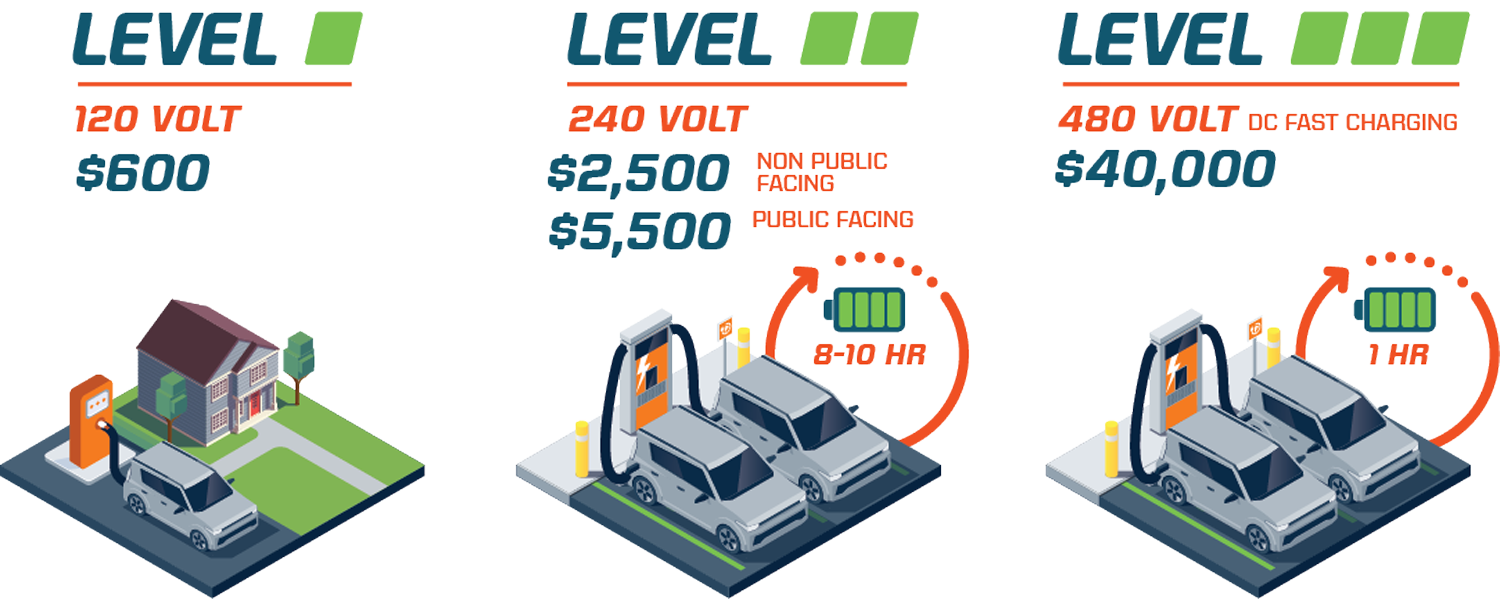
Ever wondered how much it really costs to fuel up an electric car? It's a question popping up more and more as electric vehicles (EVs) cruise into the mainstream. Forget complicated calculations, let’s break down the charging costs and see how they stack up against those pesky gas prices. It's not just about saving money; it's about understanding the future of transportation and making informed choices.
So, what's the purpose of figuring out EV charging costs? Simple: knowledge is power! Understanding these costs allows you to accurately compare EVs with traditional gasoline cars. You can budget effectively, predict your monthly transportation expenses, and decide if making the switch to electric is financially worthwhile for you. It’s also a great way to become more aware of your energy consumption and potentially find ways to be more efficient.
The benefits extend beyond your wallet. By understanding EV charging costs, you're contributing to a more informed public discourse about sustainable transportation. This knowledge empowers you to advocate for policies that support EV adoption and infrastructure development. Plus, it’s a fun conversation starter! Imagine being able to confidently discuss the economics of EVs at your next dinner party. Who knows, you might just convince someone to ditch the gas guzzler.
Must Read
How can this information be used in daily life? Think about planning a road trip. With an understanding of charging costs and the availability of charging stations along your route, you can accurately estimate your travel expenses and avoid unexpected surprises. In education, learning about EV charging costs can be a great way to introduce concepts like energy consumption, renewable energy sources, and the economics of sustainable technologies. Students can even compare the long-term costs of owning an EV versus a gasoline car as a fascinating math exercise.
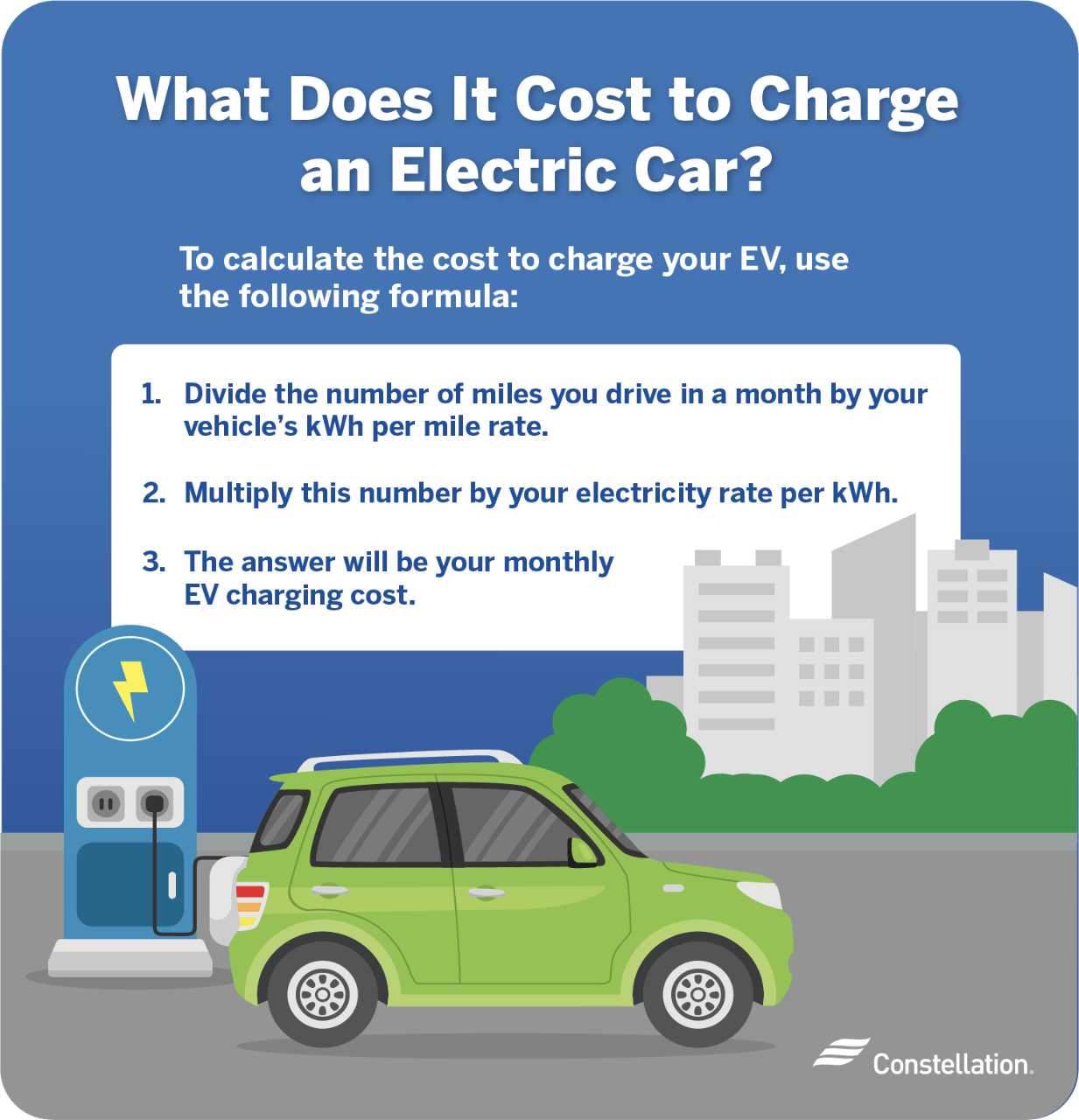
The biggest factors influencing charging cost are your electricity rate (which varies by location and time of day) and the efficiency of your EV. To get a sense of your local electricity rate, check your electricity bill. You can usually find the cost per kilowatt-hour (kWh) clearly stated. Websites like the EPA's Fuel Economy website can provide the efficiency rating of various EV models in miles per kWh. Then, do some quick math. For example, if your electricity rate is $0.20 per kWh and your car gets 3 miles per kWh, it costs you about $0.07 per mile to drive. Compare that to the cost per mile of a gasoline car based on current gas prices!
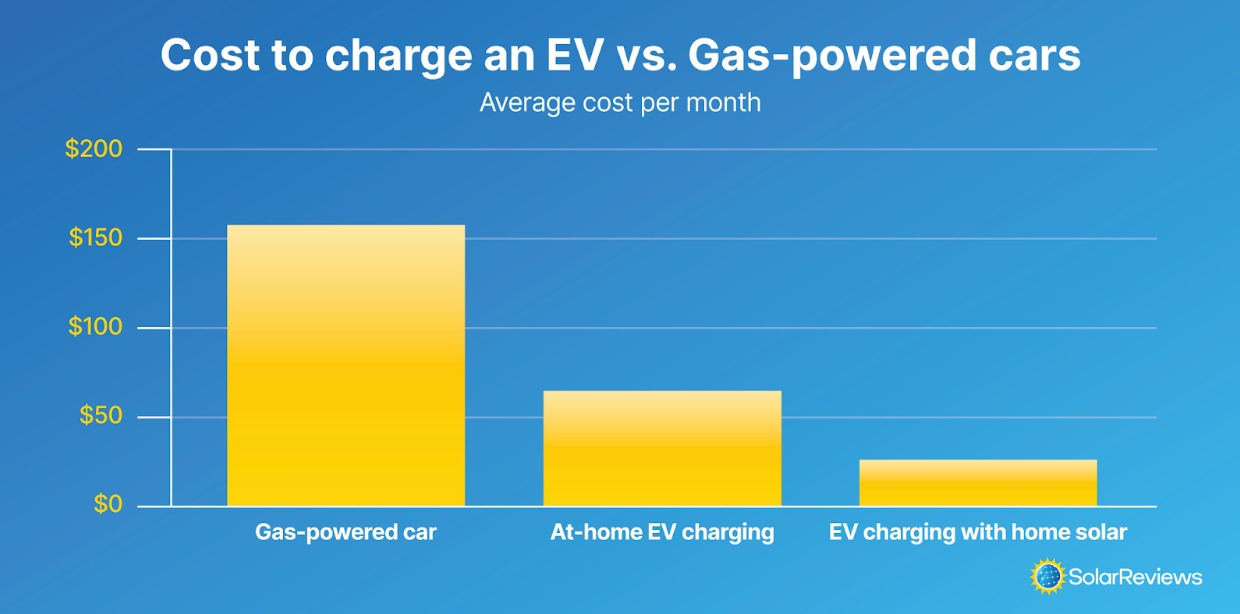
Here are some practical tips to explore further:
- Use online EV cost calculators: Many websites offer free calculators that estimate charging costs based on your vehicle, location, and driving habits.
- Monitor your home energy consumption: A smart meter or energy monitoring device can help you track your electricity usage and identify areas where you can save energy.
- Consider off-peak charging: Many utility companies offer lower electricity rates during off-peak hours (usually overnight). Take advantage of these rates to save money on charging.
- Research public charging options: Explore the costs and availability of public charging stations in your area. Some public stations offer free or subsidized charging.
Exploring the cost of charging an electric car is a journey. It involves understanding electricity rates, vehicle efficiency, and driving habits. But with a little curiosity and some simple calculations, you can unlock the secrets to affordable and sustainable transportation. So, plug in and start exploring!