How Much Does It Cost To Charge Electric Vehicle

Electric vehicles (EVs) are no longer a futuristic fantasy; they're buzzing through our streets, championed by everyone from eco-conscious commuters to tech-savvy teens. But beyond the sleek designs and quiet hum, a common question lingers: how much does it really cost to keep these battery-powered beauties running? The answer, surprisingly, is often less than you think! Let's dive into the economics of EV charging and see how it can benefit your wallet and the planet.
For artists, hobbyists, and even casual learners, understanding EV charging costs can unlock a world of possibilities. Imagine using the money you save on gasoline to invest in new art supplies, a high-quality telescope for stargazing, or a weekend workshop to finally learn that instrument you've always dreamed of playing. The financial freedom afforded by lower running costs can be a game-changer, freeing up resources to pursue passions and broaden horizons.
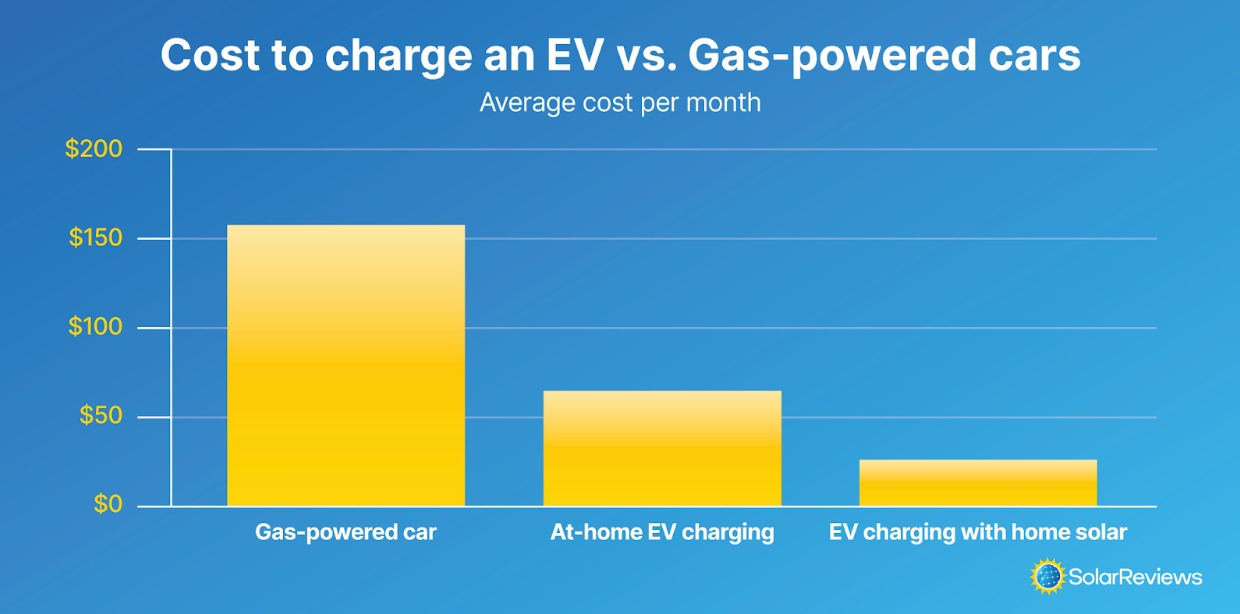
Think about it this way: the average gasoline car might cost you $150-$200 a month in fuel, depending on your driving habits. An EV, on the other hand, could cost as little as $30-$60 for the same mileage, especially if you charge at home during off-peak hours. That's a significant chunk of change you could reinvest in your hobbies. Instead of constantly refilling your gas tank, you're essentially fueling your creativity and personal growth.
Must Read
Here are a few examples of how those savings could be used: a photographer could purchase a premium lens, a painter could invest in high-quality canvases and pigments, a woodworker could acquire a new power tool, or a budding chef could take a series of cooking classes. The possibilities are truly endless! Moreover, the environmental benefits of driving an EV can resonate deeply with artists and hobbyists who draw inspiration from nature, aligning their transportation choices with their values.
Ready to try EV charging at home? Here are a few tips: First, check with your local utility company for off-peak charging rates. Charging overnight, when electricity demand is lower, can significantly reduce your costs. Second, consider installing a Level 2 charger in your garage. While it requires an initial investment, it allows for much faster charging compared to a standard wall outlet. Finally, explore public charging options. Many workplaces, shopping centers, and public parking areas now offer EV charging stations, often at competitive rates.
Don't be intimidated by the initial learning curve. Charging an EV is actually quite simple. Plug it in, and let it do its thing! You can track your charging progress through a smartphone app and easily monitor your energy consumption. But most importantly, remember that driving an EV is not just about saving money and reducing emissions; it's also about the joy of a smoother, quieter ride and the satisfaction of knowing you're contributing to a more sustainable future. Embrace the electric revolution and discover the many ways it can enrich your life!