How Much Does It Cost To Charge A Tesla Truck

Alright, buckle up, truck enthusiasts! We’re diving into the electrifying world of Tesla's Cybertruck (or maybe another Tesla truck in the future!), and answering the burning question on everyone's mind: how much does it actually cost to charge one of these futuristic beasts? It’s a fun question because it’s all about saving money and saving the planet. Plus, understanding charging costs is key to figuring out if making the switch to electric is right for you.
The purpose of understanding Tesla truck charging costs is simple: to help you budget and make informed decisions. Think of it like this: you wouldn't buy a gas-guzzling pickup without knowing the cost of filling the tank, right? Same goes for electric trucks! By knowing the charging costs, you can accurately compare it with the fuel costs of traditional gasoline trucks. It’s about getting the best of both worlds: powerful performance and potentially lower running costs.
So, let's break down the basics. The cost to charge a Tesla truck depends on a few key factors:
Must Read
- Battery Size: Larger batteries need more juice to fill up, obviously. Tesla truck battery sizes will vary, so keep that in mind.
- Electricity Rate: This is where things get interesting! Electricity prices vary wildly depending on where you live and the time of day you're charging. Check your local utility company's rates – they often have different prices for peak and off-peak hours. Charging overnight, during off-peak hours, is almost always cheaper.
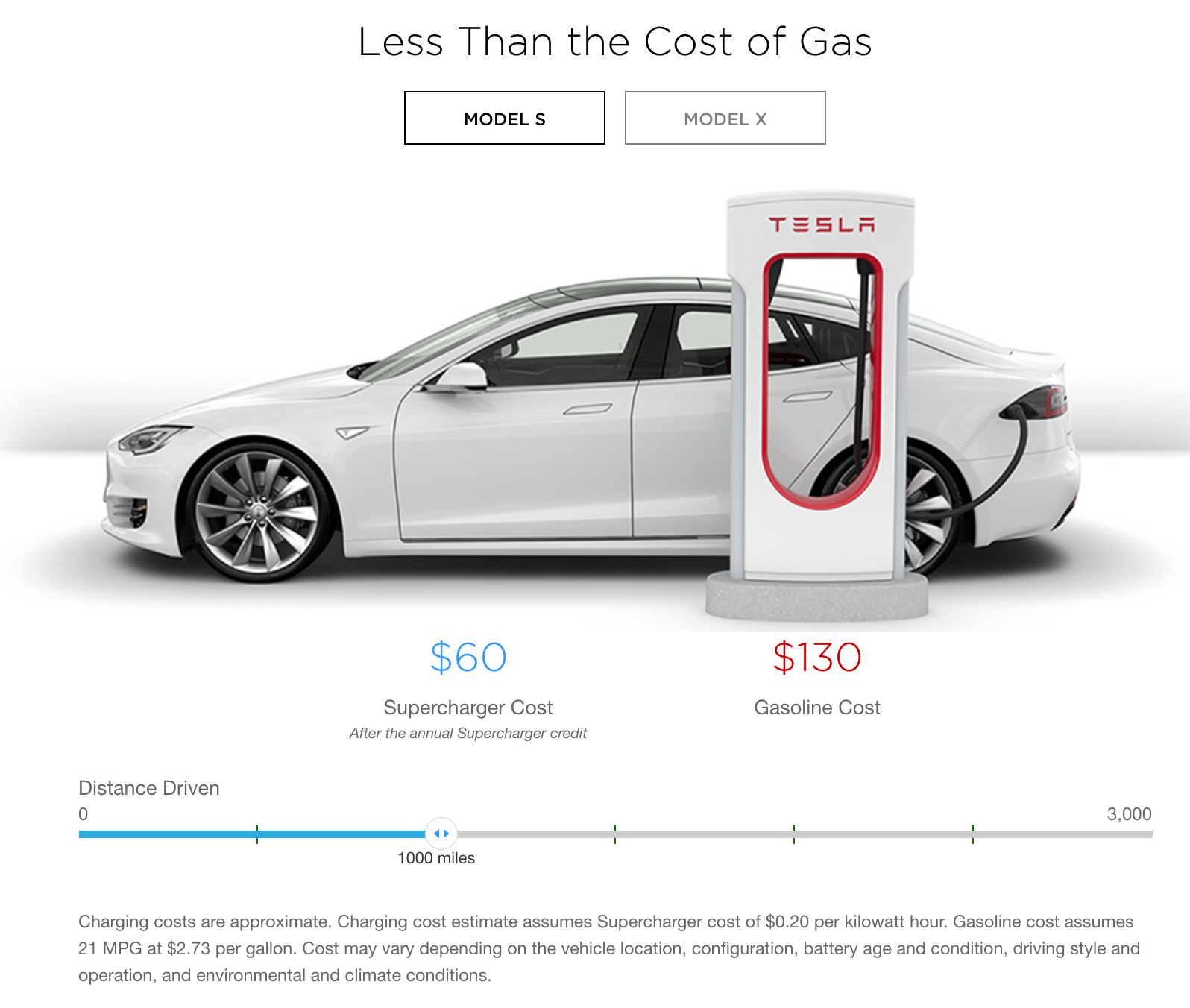
- Charging Location: You have a few options here. Charging at home is usually the cheapest (using your home's electricity). Tesla Superchargers offer convenience on the road, but they're typically more expensive. There are also third-party charging stations, with pricing in between.
- Charging Efficiency: No charging process is perfect. Some energy is lost as heat. However, Tesla's charging systems are generally quite efficient.
Now, let's crunch some numbers. Let's pretend your Tesla truck has a hypothetical 150 kWh battery (we're guessing here!). And let's say your home electricity rate is $0.15 per kWh (a reasonable average in many areas). Charging from empty to full would then cost approximately 150 kWh * $0.15/kWh = $22.50. That’s a whole lot less than filling up a comparable gasoline truck!
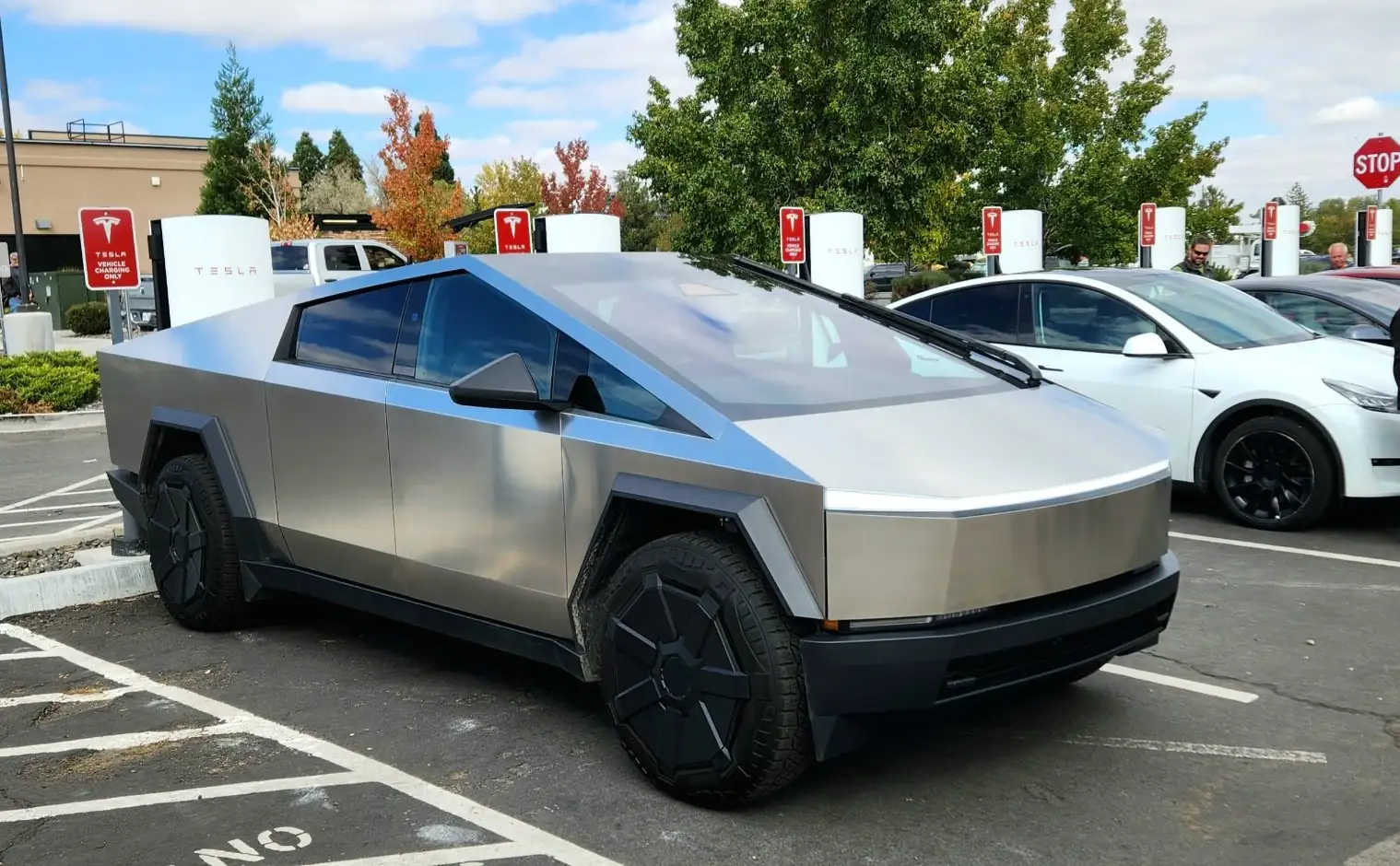
Of course, you rarely charge from completely empty. Most people top up their battery regularly. So, the cost per charge session is usually much lower. And remember, Supercharger costs will be higher than charging at home. They're convenient for long trips, but factor that into your travel budget.
The great news is there are ways to save even more! Many utility companies offer incentives and rebates for EV owners. You might also consider installing solar panels to generate your own electricity and charge your Tesla truck for almost nothing! Keep an eye on Tesla's official website, and always do a little research on local incentives. By understanding these factors and doing some smart planning, you can keep your Tesla truck charging costs to a minimum and enjoy the benefits of electric truck ownership without breaking the bank.