How Much Does It Cost To Charge A Electric Vehicle

Electric vehicles (EVs) are zooming past gas guzzlers on the popularity track, and it's not just about being eco-conscious. They're becoming increasingly mainstream, thanks to sleek designs and, importantly, the promise of lower running costs. But let's dive into the heart of the matter: How much does it actually cost to charge one of these whirring wonders? The answer, surprisingly, is often less than you think!
For artists, hobbyists, and anyone who enjoys a bit of creative crunching, understanding EV charging costs is like unlocking a new palette of possibilities. Think of the money you save on gas as extra funds for art supplies, that new woodworking tool, or even a weekend workshop to hone your skills. Instead of watching your hard-earned cash disappear at the pump, you’re fueling your passions! Every charge becomes an investment in your hobbies.
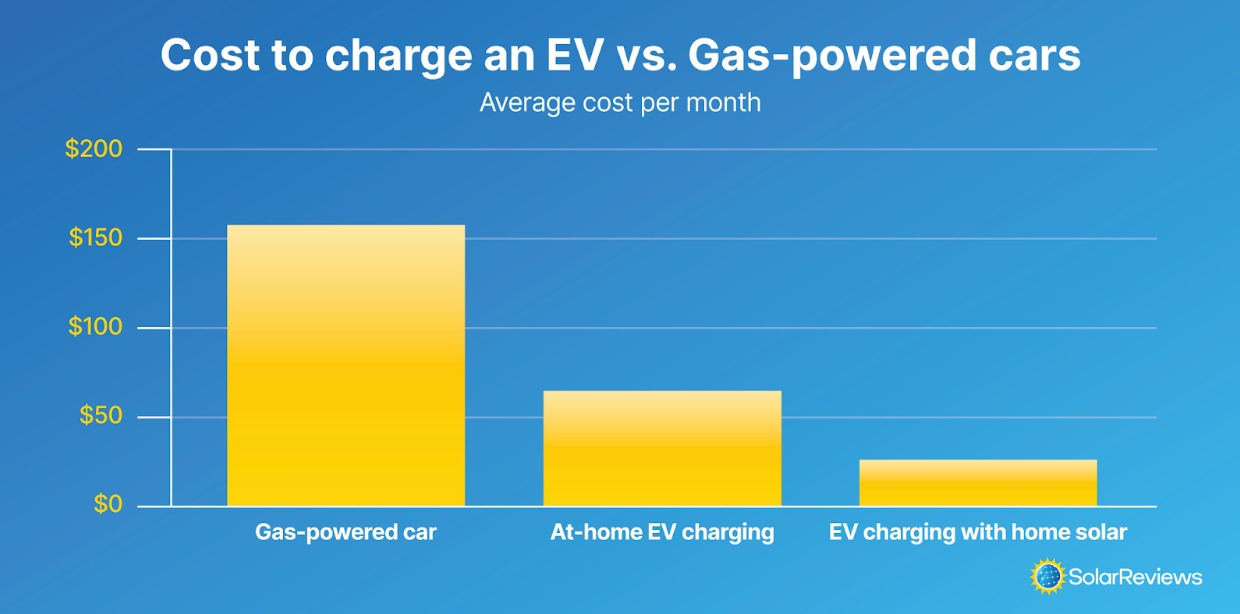
Let’s get specific. The cost to charge an EV is primarily dependent on two factors: the size of the battery and the price of electricity in your area. A smaller EV with a 40 kWh battery, for instance, will cost less to fully charge than a larger SUV with a 100 kWh battery. Electricity prices vary widely, from relatively cheap in states with abundant renewable energy to more expensive in areas reliant on fossil fuels. To get a real-world example, let’s say your electricity costs $0.15 per kilowatt-hour (kWh) and you have a 60 kWh battery. A full charge would then cost around $9! Compare that to filling up a gasoline car, and the savings start to add up quickly.
Must Read
Beyond the general factors, there are different charging options that influence the final cost. Charging at home overnight using a Level 2 charger (240V) is usually the most affordable option, as you can often take advantage of off-peak electricity rates. Public charging stations, on the other hand, can range from free (often offered by businesses to attract customers) to quite expensive, especially fast-charging DC stations designed to rapidly replenish your battery on long journeys. Always check the charging station's pricing before you plug in! Some offer subscriptions or pay-as-you-go options.

Want to figure out your potential savings? Here's a simple way to calculate the cost: (Battery Capacity in kWh) x (Electricity Rate per kWh) = Estimated Cost to Charge. Look up your local electricity rates online or check your utility bill. Then, find the battery capacity of the EV you're interested in (usually available on the manufacturer's website). Plug in the numbers, and voila! You have an estimate of what it will cost to charge your EV at home.
Trying out the electric vehicle lifestyle, even hypothetically, can be quite enjoyable. Beyond the financial savings, it's about contributing to a cleaner environment, experiencing the smooth and quiet ride of an electric motor, and, for the creatively inclined, freeing up resources for your passions. It's not just about driving; it’s about driving change and fueling your own pursuits along the way. So, dive in, do some calculations, and imagine where those extra dollars could take you!