
How Much Does It Cost To Charge A Electric Car

Okay, let's talk about something that's buzzing more and more these days: electric cars! You see them zipping around, looking all futuristic and eco-friendly, and you might be thinking, "Hmm, I wonder what it really costs to keep one of those charged up?" It's a valid question! We're used to the pump, the price per gallon, and the sinking feeling as the numbers climb. But with EVs, it's a whole new ballgame.
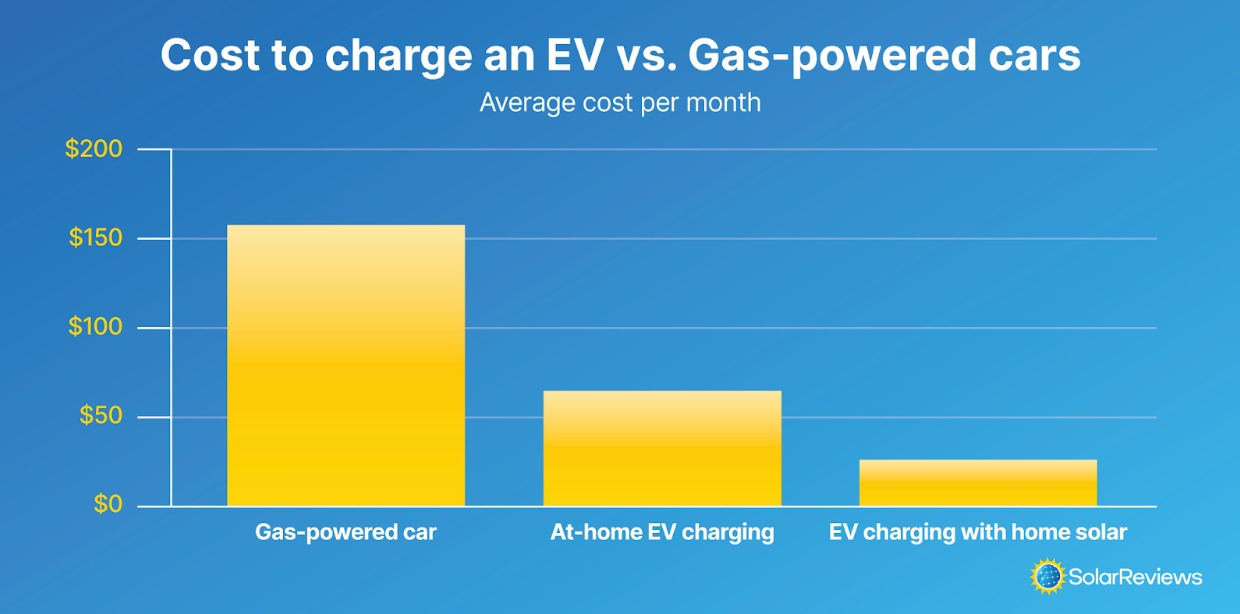
Think of it like this: you're switching from feeding a gas-guzzling monster to feeding a very polite, electricity-sipping kitten. The difference? Potentially significant savings and a much happier wallet!
The Big Picture: Electricity Prices and Battery Size
First things first, the cost to charge your electric car depends mainly on two things: the price of electricity in your area and the size of your car's battery. Imagine your battery is like the fuel tank of a regular car, just powered by electrons instead of gasoline. A bigger battery simply means you can drive further on a single charge.
Must Read
Electricity prices, as you probably know, vary. They can fluctuate depending on where you live, the time of day, and even the season. Think of it like buying avocados – cheaper when they're in season, right?
To get a rough idea, you can usually find the cost per kilowatt-hour (kWh) on your electricity bill. It's often listed as something like $0.15/kWh. That's your base number to work with.
Let's Do Some Math (But Don't Panic!)
Now, for the math part! Don't worry, it's not rocket science. Let's say your EV has a 60 kWh battery (a fairly common size). If your electricity costs $0.20/kWh, a full charge from empty would cost you 60 kWh x $0.20/kWh = $12. That's like skipping one takeout pizza night a month!
But here's the thing: you probably won't be charging from completely empty every time. Most people top up their batteries regularly, just like how you might fill your gas tank when it's half empty. So, the actual cost per charge is often much less.
Home Sweet Home Charging vs. Public Charging
There are two main ways to charge your EV: at home and at public charging stations. Home charging is generally the cheapest and most convenient option. You can plug in overnight, and your car is ready to go in the morning. It's like having your own personal gas station, except it uses electricity instead of fossil fuels!
Public charging stations, on the other hand, can be faster, but they usually cost more per kWh. Think of them as the "premium" option. They are great when you're on a road trip or need a quick boost while you're out and about.
Many public chargers are subscription-based or offer pay-as-you-go options. Prices can vary wildly, so it's a good idea to do some research and compare rates in your area.

Beyond the Basics: Efficiency and Driving Habits
Just like with gasoline cars, your driving habits affect your EV's efficiency. Aggressive acceleration and high speeds drain the battery faster. Think of it like running a marathon versus leisurely strolling through a park. Which one burns more energy?
Also, outside temperatures can impact battery performance. Cold weather, in particular, can reduce range. It's like when your phone battery dies faster in the winter. The same principle applies to EVs.
Why Should You Care? (Beyond the Savings!)
Okay, so why should you care about all this? Besides the potential to save a good chunk of money on fuel, switching to an EV is also a great way to reduce your carbon footprint. Think of it as doing your part to keep the air cleaner and the planet healthier. Plus, they're often quieter and smoother to drive, which is a nice bonus!
The cool part is that the cost of charging an EV is constantly evolving. Technology is improving, battery prices are dropping, and charging infrastructure is expanding. It’s an exciting time to be thinking about electric cars!
So, next time you see an EV cruising down the street, you'll have a better understanding of what it costs to keep it powered up. And who knows, maybe you'll even be tempted to join the electric revolution yourself! Remember, it's not just about saving money; it's about driving towards a brighter, cleaner future. Go electric!