
How Much Does Electric Car Raise Electric Bill
Okay, so you're thinking about ditching the gas pump and joining the electric car revolution? Awesome! You're imagining zipping around town silently, feeling all eco-chic. But then… the bill anxiety kicks in. How much is this electric dream really going to cost you? Let's talk about how much an electric car might raise your electric bill, in a way that doesn’t require an engineering degree.
The Elephant in the Room: Electricity Costs
The simple truth is, plugging in an electric car will increase your electricity bill. It's like adding another appliance to the mix, albeit a pretty thirsty one. Think of it this way: your fridge is always humming away, sipping electricity. Your electric car is more like a hungry washing machine – it needs a good gulp of power every few days.
But the amount that your bill goes up depends on a few key things:
Must Read
Your Electricity Rate: This is the big one! Electricity prices vary wildly depending on where you live. Some areas have cheap hydroelectric power, while others rely on more expensive sources. Check your bill to find your rate per kilowatt-hour (kWh). It's usually something like 10-30 cents.
*How Much You Drive: This is obvious, right? The more miles you rack up, the more charging you'll need to do. Someone who commutes 5 miles a day will see a much smaller increase than someone who road trips every weekend.
*Your Car's Efficiency: Just like gas cars, electric cars have different levels of efficiency. Some EVs squeeze more miles out of each kWh than others. Look for the "miles per kWh" (MPkWh) rating when researching vehicles. Higher is better!
Charging Habits: Are you topping up every night, or waiting until the battery is nearly empty? Are you using a standard wall outlet (slow!) or a dedicated Level 2 charger (faster!)? These choices make a difference.
Crunching the Numbers (No Calculator Required!)
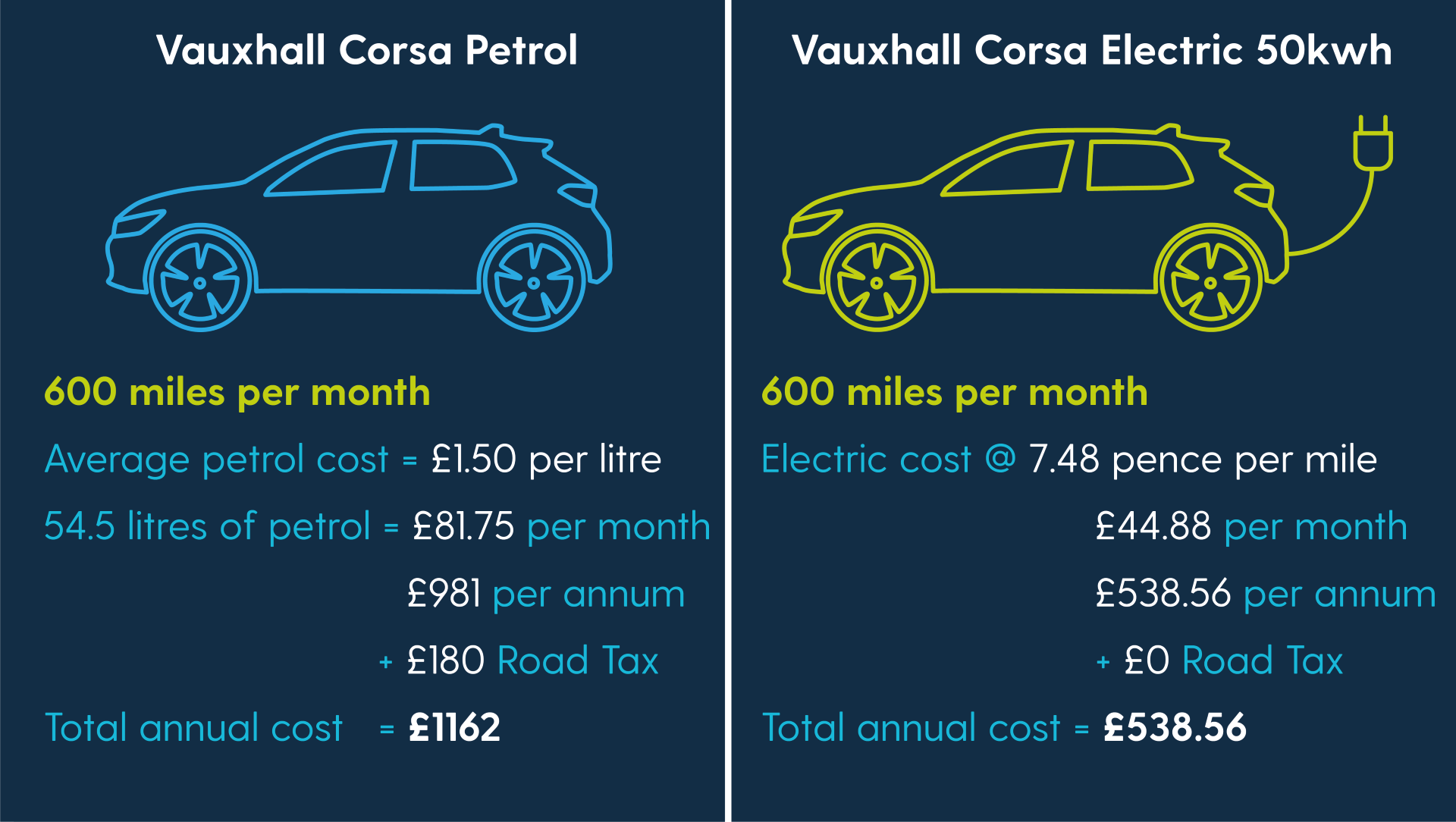
Let's do a quick, simplified example. Imagine you drive 1,000 miles a month. And let's say your electric car gets 3 miles per kWh (a fairly typical number). That means you'll need 1,000 miles / 3 miles/kWh = 333 kWh of electricity each month.
Now, let's say your electricity rate is 15 cents per kWh. Your monthly charging cost would be 333 kWh * $0.15/kWh = $50. That's it! In this scenario, your electric car would add about $50 to your monthly bill.

Of course, these are just example numbers. You can plug in your own data to get a more accurate estimate. Many websites and apps have electric car charging calculators that can help you figure it out.
The Good News: Offsetting the Costs
Here's where things get even more interesting! While your electric bill will likely go up, there are ways to offset those costs and even save money in the long run. Think of it as a game – how low can you go?
*Time-of-Use Rates: Many electric companies offer lower rates during off-peak hours, like overnight. Charging your car while you sleep can save you a bundle. It's like happy hour for your EV!
Solar Power: If you have solar panels on your roof, you can essentially charge your car for free (after the initial investment, of course). This is the ultimate eco-friendly power move.
*Incentives and Rebates: Governments and utility companies often offer incentives to encourage people to buy electric cars and install home chargers. These can significantly reduce your upfront costs.
*Reduced Maintenance: Electric cars have far fewer moving parts than gas cars, which means less maintenance and fewer trips to the mechanic. Say goodbye to oil changes!
Why Should You Care? (Besides Saving Money!)
Okay, so maybe saving $50 a month isn't going to change your life. But think about the bigger picture. By switching to an electric car, you're reducing your carbon footprint, helping to clean up the air, and contributing to a more sustainable future. Plus, you get to experience the instant torque and smooth ride of an electric vehicle – it's seriously fun!
Imagine yourself gliding silently through your neighborhood, knowing that you're making a positive impact. That feeling is priceless.
So, while your electric bill might go up a bit, the benefits of driving electric far outweigh the costs. Do some research, crunch the numbers, and get ready to plug into a brighter future!