How Much Does Electric Car Cost
Ever caught yourself watching a sleek, silent vehicle glide by, almost as if it's powered by pure magic? That's the allure of the electric car, and it’s no wonder more and more people are plugging into the EV revolution. There’s a distinct satisfaction that comes with pressing the accelerator and feeling instant, smooth torque, all while knowing you’re zipping past gas stations with a smile. Beyond the thrill, many embrace electric vehicles for their quiet cabins, advanced tech, and the undeniable feel-good factor of contributing to a cleaner planet. It’s not just a car; it’s a statement, a lifestyle choice, and frankly, a pretty cool gadget on wheels.
The core purpose electric cars serve in our everyday lives is multifaceted. First and foremost, they offer a compelling alternative to traditional gasoline vehicles, significantly reducing our reliance on fossil fuels. For daily commuters, the benefit of never having to visit a gas station again is truly liberating, especially when you can "fuel up" overnight right in your own driveway. This translates directly into substantial savings on operating costs, as electricity is generally far cheaper per mile than gasoline. Furthermore, EVs typically require less maintenance – no oil changes, spark plugs, or complex exhaust systems – making them a practical and often more reliable choice for long-term ownership.
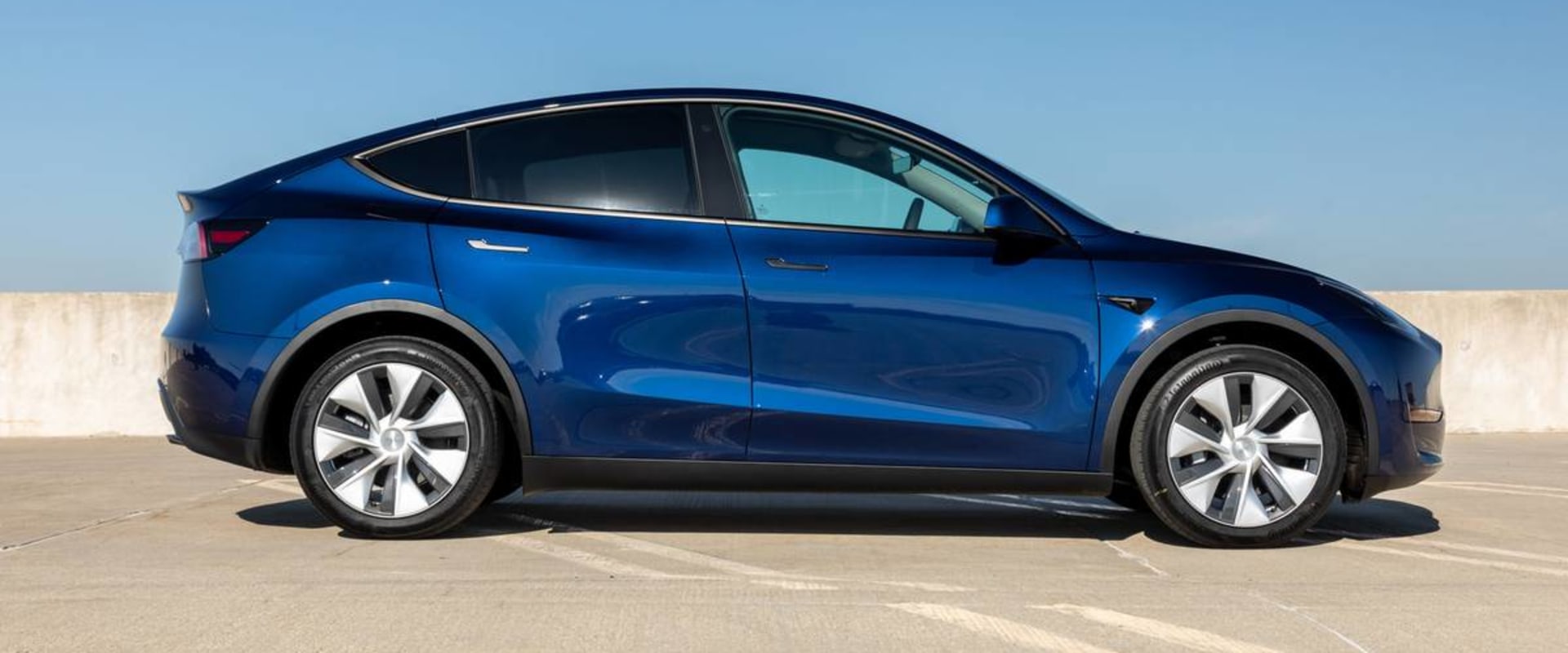
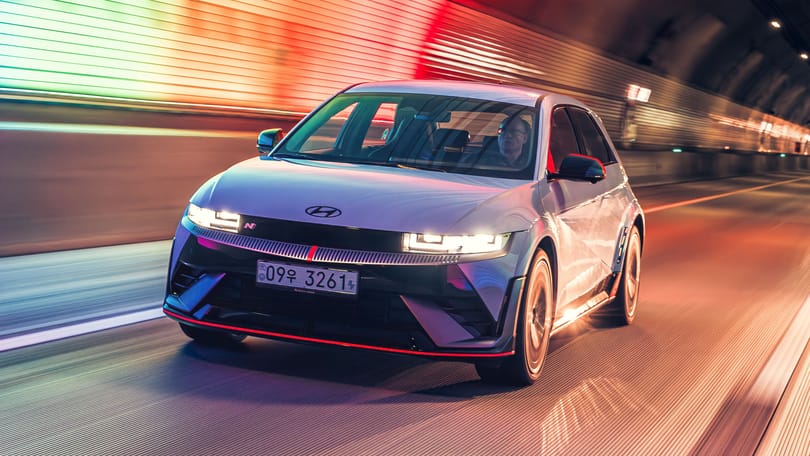
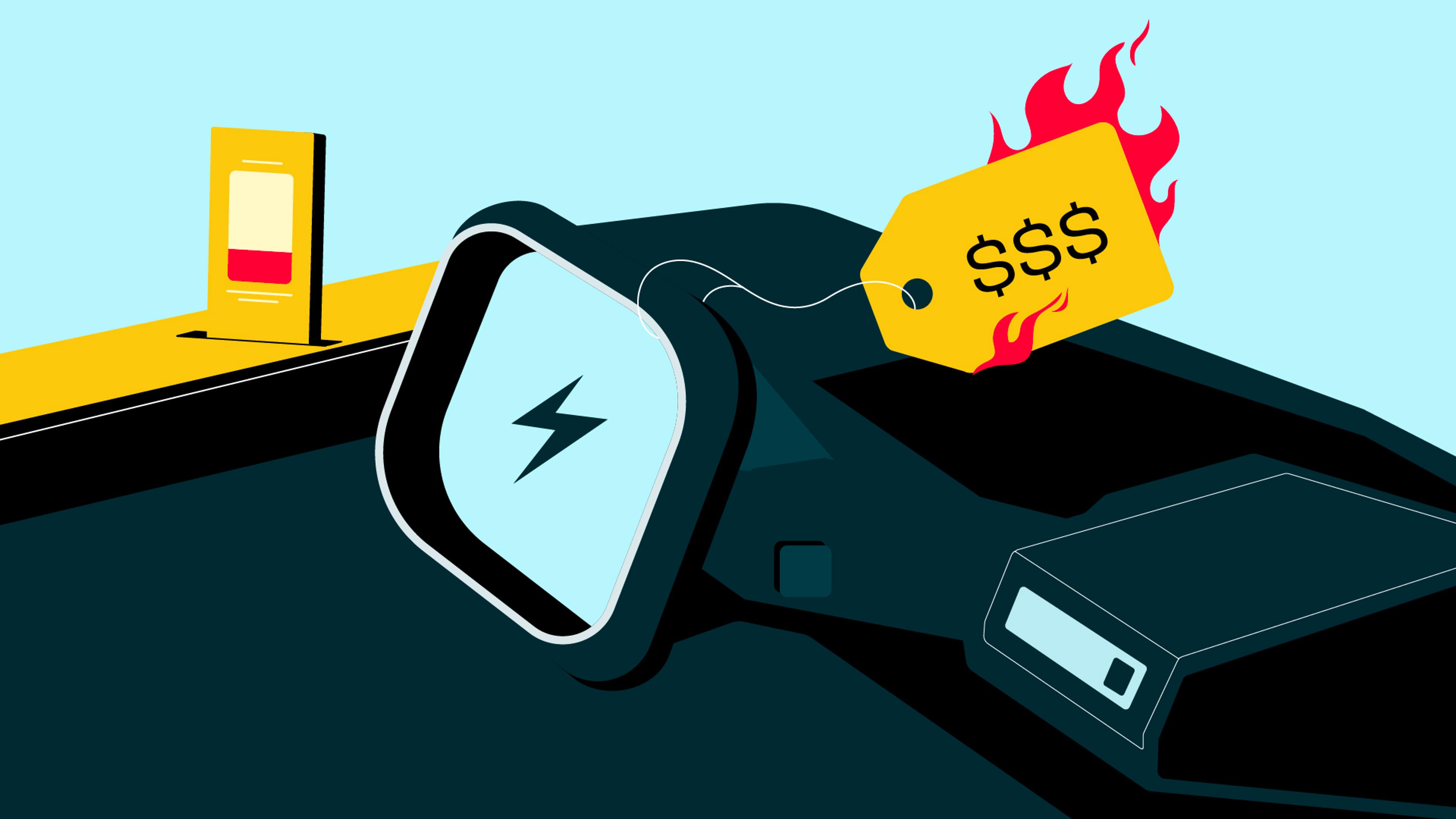
Now, let's tackle the elephant in the showroom: how much does an electric car actually cost? This is where things get interesting. The initial purchase price of an EV can sometimes be higher than a comparable gasoline car. However, it's crucial to look beyond that sticker price. Think of the spectrum, from more accessible models like the Nissan Leaf or Chevy Bolt, to popular mid-range options like Tesla Model 3s and Hyundai Ioniq 5s, all the way up to luxury performance EVs. What really sweetens the deal are the numerous government incentives available. Many countries and regions offer significant tax credits, rebates, or even grants for buying a new or sometimes even a used EV, which can dramatically lower your effective purchase price. And remember, the "fuel" you put into it – electricity – is often much cheaper, especially if you charge at home during off-peak hours.
Must Read
So, how can you navigate the world of EVs and enjoy them more effectively without breaking the bank? My top tip is to focus on the total cost of ownership (TCO), not just the upfront price. Calculate how much you'll save on fuel and maintenance over several years. Next, diligently research federal, state, and local incentives; these can shave thousands off the price. Don't overlook the growing market for used electric vehicles – many come with substantial battery warranties still in effect, offering fantastic value. Plan your charging strategy: install a home charger if possible and take advantage of cheaper off-peak electricity rates. Lastly, always factor in the long-term environmental benefits and the sheer joy of a quiet, powerful, and modern driving experience. The cost might seem daunting at first glance, but with a bit of savvy, an electric car can be a surprisingly smart and utterly enjoyable investment.