How Much Does America Contribute To Global Warming
Let's face it, talking about global warming can feel like wading through a murky swamp of scientific reports and daunting statistics. But sometimes, it's essential to cut through the noise and get a clear picture of the situation. Today, we're tackling the question: How much does America actually contribute to global warming? Think of it less as a lecture and more like understanding your role in a giant, global potluck – you want to know what dish you're bringing to the table, right?
Understanding America's impact is beneficial for everyone, not just scientists and policymakers. For artists, it inspires creativity. Think of environmental art, documentaries, or even just using recycled materials. For hobbyists, it promotes eco-conscious choices. Maybe you'll start composting, biking more, or even build a solar-powered gadget! And for casual learners, it's simply about becoming more informed citizens of the world. The more we know, the better decisions we can make.
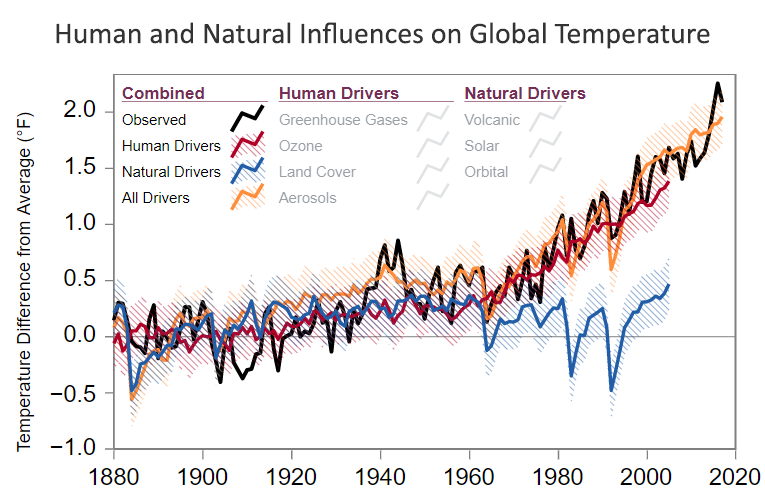
So, let's look at the numbers. America, historically, has been the largest contributor to global greenhouse gas emissions. This is largely due to its history of industrial development and reliance on fossil fuels. While the current annual emissions are less than China's, the accumulated emissions over time are significant. This historical responsibility plays a crucial role in international climate negotiations. Think of it like this: even if you stopped eating cookies now, the ones you ate in the past still contributed to your overall cookie consumption.
Must Read
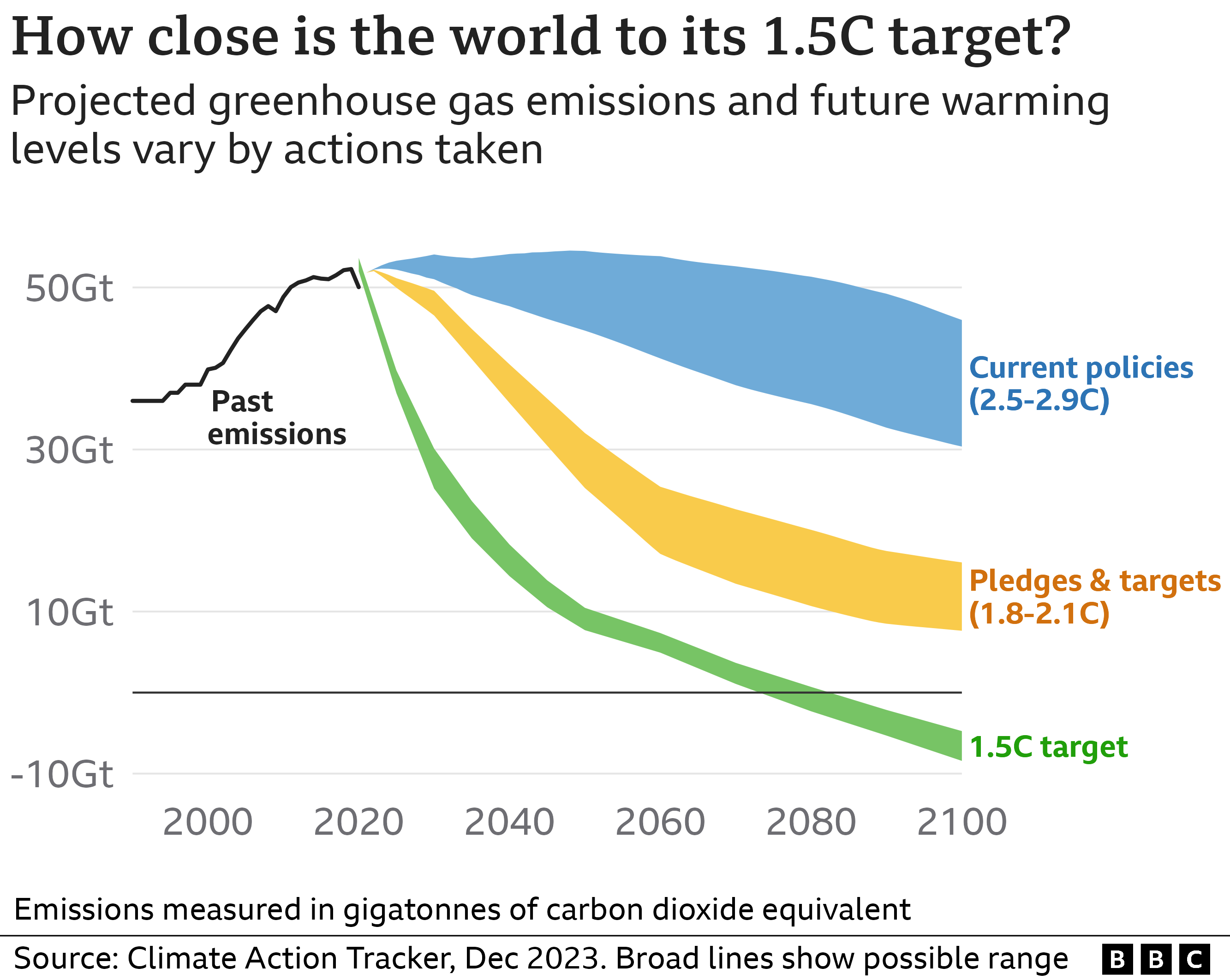
However, the good news is that America is making efforts to reduce its emissions. We're seeing a shift towards renewable energy sources like solar and wind, improvements in energy efficiency in buildings and transportation, and advancements in carbon capture technologies. These are like healthier recipes for the global potluck, ensuring we bring something sustainable and delicious.

Want to get involved at home? There are plenty of ways to make a difference! Start small: reduce your energy consumption by switching to LED light bulbs, unplugging electronics when not in use, and using public transportation or biking whenever possible. Think about your diet: reducing your meat consumption, especially beef, can significantly lower your carbon footprint. Support sustainable businesses: choose companies that are committed to environmental responsibility. Educate yourself and others: talk to your friends and family about climate change and encourage them to take action.
Ultimately, understanding America's contribution to global warming isn't about assigning blame; it's about understanding responsibility and fostering positive change. It's about recognizing that we all have a role to play in creating a more sustainable future. And that, my friends, is incredibly empowering and deeply enjoyable. It's about knowing that even small actions, when combined, can create a powerful wave of change, making our planet a healthier and happier place for generations to come. And who doesn't want to be a part of that?