How Much Does A Whole House Generator Cost Installed
Let's talk whole-house generators! It might sound like a topic for hardcore survivalists, but trust me, it's becoming increasingly relevant – and even kind of exciting – for everyday folks like you and me. Why? Because nobody likes being stuck in the dark during a power outage, especially when it could be avoided. Knowing how much a whole-house generator costs, installed, empowers you to make informed decisions about your home's energy security and comfort.
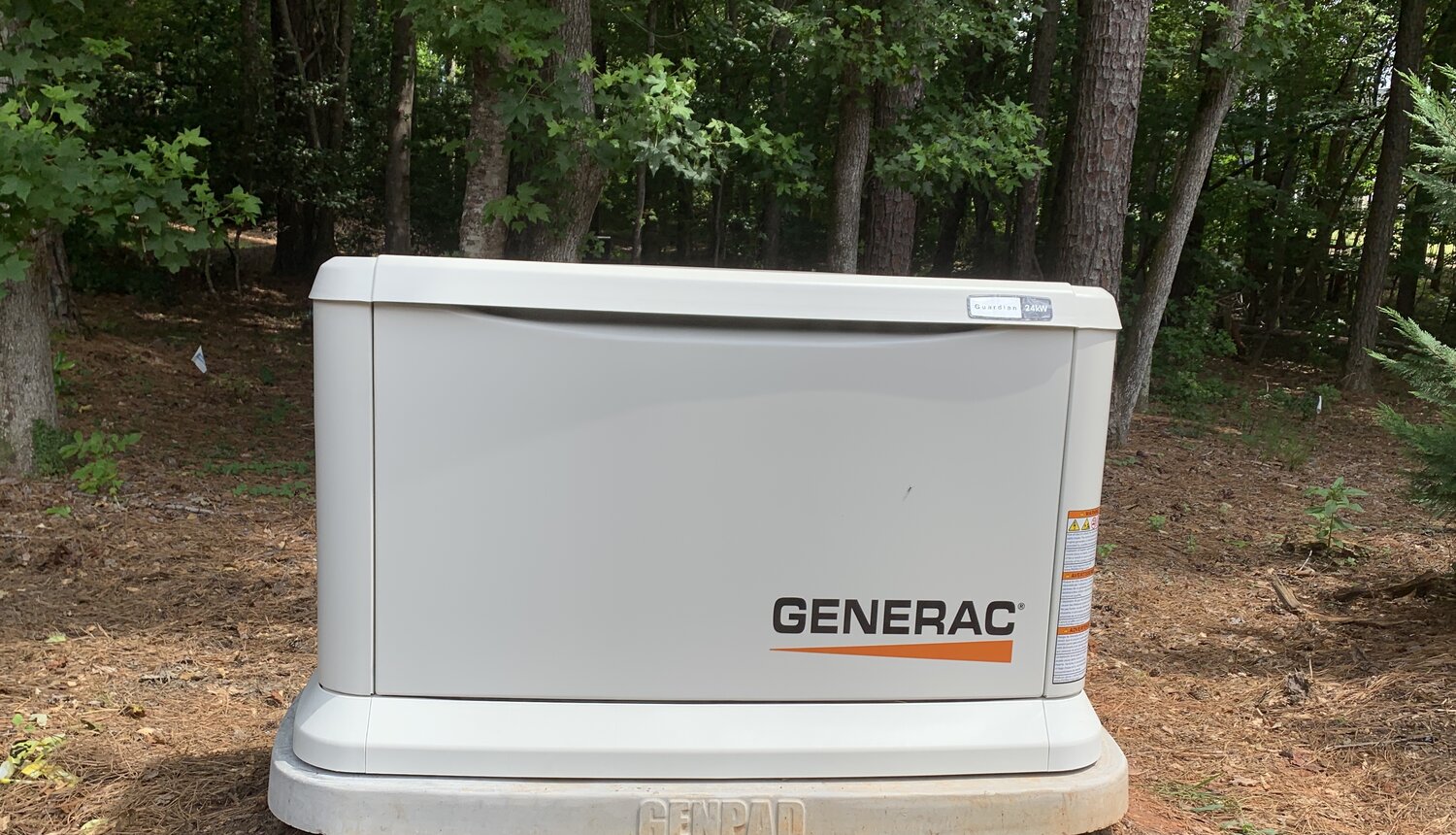
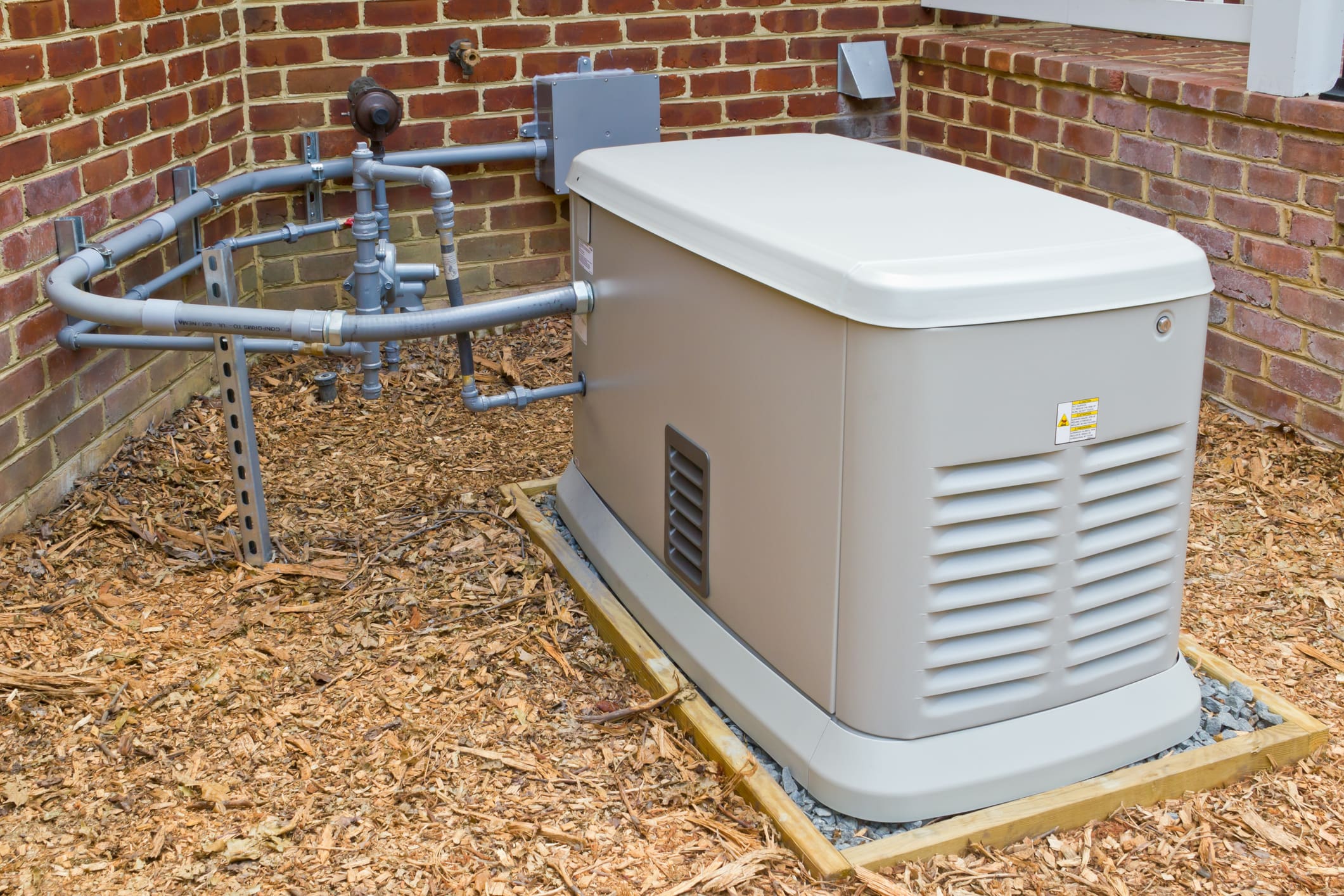
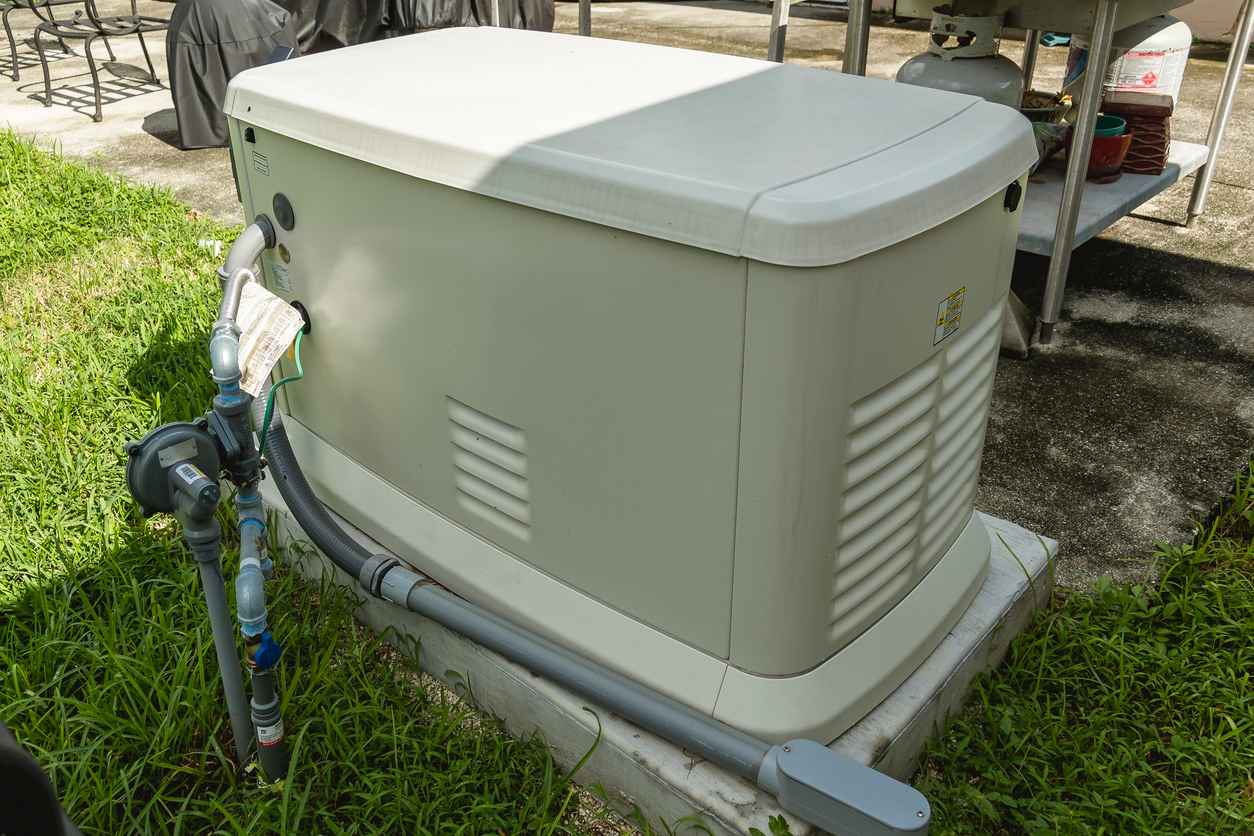
So, what's the deal? A whole-house generator is essentially a backup power system that kicks in automatically when the electricity goes out. It's permanently installed outside your home, much like an air conditioning unit, and connected to your natural gas or propane line. No more fumbling for flashlights or worrying about food spoiling in the fridge!
Who benefits from this? Well, beginners new to homeownership might appreciate the peace of mind knowing they won't be plunged into darkness during a storm. Families, especially those with young children or elderly members, can ensure critical medical equipment stays running and that their home remains comfortable. And for hobbyists and those who work from home, a generator can prevent costly interruptions and keep essential equipment powered on.
Must Read
Now, let's get to the nitty-gritty: cost. The price of a whole-house generator installed varies greatly depending on several factors. These include the size of the generator (measured in kilowatts – kW), the fuel source (natural gas or propane), the complexity of the installation, and your location. Generally, you can expect to pay anywhere from $3,000 to $12,000 or even more for the whole project, including the generator itself and the installation fees.
Examples? A small generator (7-10 kW) might be sufficient for a smaller home or apartment, powering essential appliances like the refrigerator, lights, and HVAC system. This could fall on the lower end of the price range. A larger home with more power demands might require a 20-25 kW generator, driving the cost up considerably. There are also variations in generator quality and features, with some models offering advanced monitoring and control options.
Want to get started? Here are a few practical tips:
- Assess your power needs: Determine which appliances and systems you absolutely need to keep running during an outage.
- Get multiple quotes: Contact several qualified electricians and generator installers to compare prices and services.
- Check local regulations: Ensure the generator meets all local codes and requirements.
- Consider financing options: Many installers offer financing plans to make the investment more manageable.
Investing in a whole-house generator is about more than just avoiding inconvenience; it's about ensuring the safety and comfort of your family and protecting your valuable possessions. While the initial cost may seem significant, the peace of mind and security it provides can be truly priceless. It's an investment that pays off every time the power goes out, allowing you to weather any storm with confidence and a smile (because, let's face it, being prepared is pretty satisfying!).