How Much Does A Mini Fridge Cost In Electricity

Alright, let's talk mini fridges. The unsung heroes of dorm rooms, offices, and man caves everywhere. They're convenient, compact, and keep your drinks icy cold. But the question that always lingers at the back of our minds (usually right before we grab that perfectly chilled soda) is: how much is this little luxury costing me?
We're diving into the nitty-gritty of mini fridge electricity consumption, so you can keep your wallet happy and your beverages frosty. Think of this as a friendly intervention, but instead of talking about your social media habits, we're tackling appliance energy use. It's practically the same thing, right?
The Milliampere Mystery: Decoding the Numbers
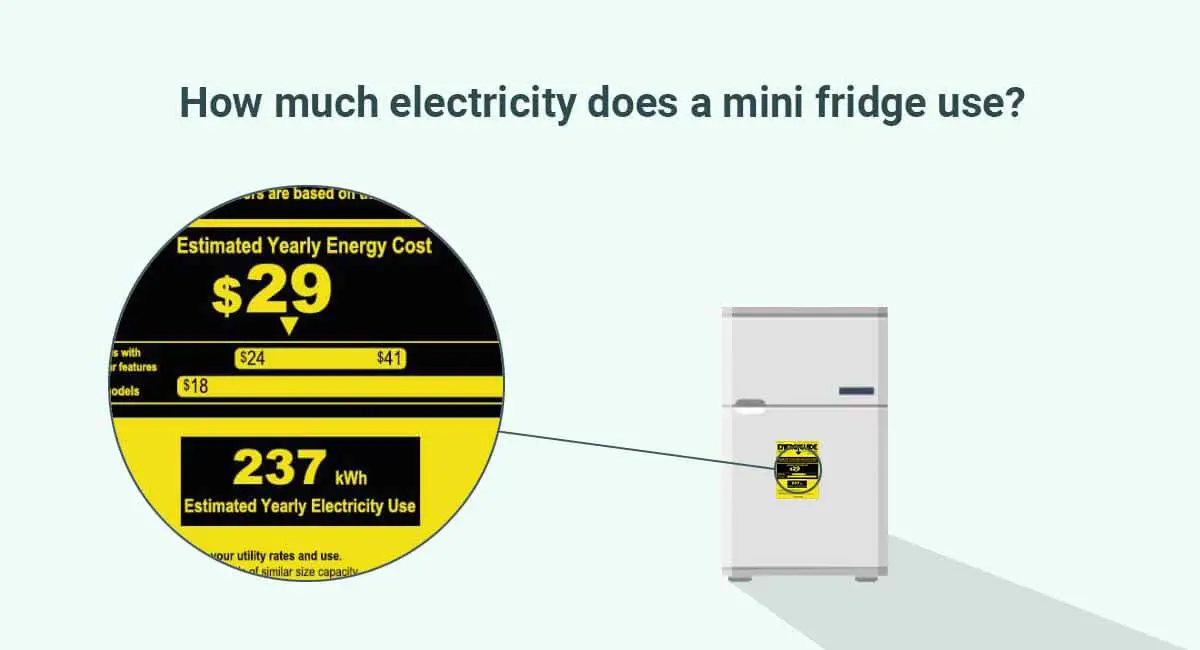
First things first, let's get some numbers on the table. The amount of electricity a mini fridge uses varies depending on several factors, including its size, age, efficiency, and how often you open the door. A typical mini fridge uses anywhere from 50 to 150 watts. Now, watts might not mean much to you (unless you're secretly an electrician), so let's translate that into real-world costs.
Must Read
To calculate the daily energy consumption, you need to multiply the wattage by the number of hours the fridge runs per day. Mini fridges, bless their tiny hearts, don't run constantly. They cycle on and off to maintain the temperature. Let's estimate that it runs for about 8 hours a day.
So, for a 100-watt mini fridge running for 8 hours, the daily energy consumption is (100 watts x 8 hours) / 1000 = 0.8 kilowatt-hours (kWh). The 'divide by 1000' part converts watts to kilowatts, which is what your electricity bill uses.
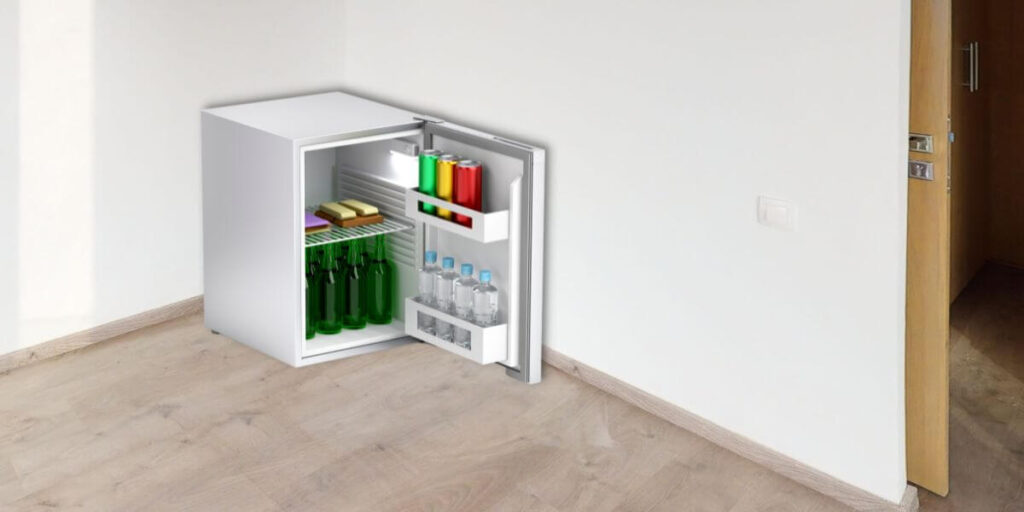
Now, let's talk money. The average cost of electricity in the US is around 15 cents per kWh (but this can vary widely depending on where you live – shout out to anyone paying exorbitant rates!). Multiply 0.8 kWh by $0.15, and you get $0.12 per day. That's roughly $3.60 a month.
Not bad, right? Certainly less than that daily latte habit we're all trying to justify.

Factors That Fridge Up the Bill
Of course, these are just estimates. Several things can influence how much your mini fridge is actually costing you. Let's break them down:
- Age and Efficiency: Older mini fridges are generally less efficient than newer ones. Think of it like that vintage car you love – it looks cool, but it guzzles gas. Look for Energy Star certified models for better efficiency. Investing in a new, efficient model could save you money in the long run.
- Temperature Settings: The colder you set your fridge, the more energy it uses. Unless you're storing Antarctic ice samples, maybe dial it back a notch.
- Frequency of Use: Every time you open the door, you let cold air escape, and the fridge has to work harder to cool things down again. Try to be efficient with your browsing!
- Location, Location, Location: Placing your mini fridge near a heat source (like a radiator or in direct sunlight) will make it work overtime. Keep it in a cool, well-ventilated spot.
- Maintenance: A dirty condenser coil can reduce efficiency. Give it a clean every now and then. It's like giving your fridge a spa day.
Practical Tips to Tame the Consumption Monster
Here are a few easy ways to keep your mini fridge's energy consumption in check:
- Don't overfill it: Overpacking can restrict airflow and make the fridge work harder.
- Keep it organized: So you spend less time with the door open searching for that elusive pickle.
- Defrost Regularly: Excess ice buildup reduces efficiency.
- Consider a Smart Plug: You can monitor energy usage and even schedule it to turn off during periods when you don't need it.
The Chill Conclusion
So, how much does a mini fridge cost in electricity? The answer, as with most things in life, is "it depends." But with a little awareness and some simple tweaks, you can keep the cost manageable and enjoy the convenience of having cold drinks and snacks at your fingertips. Think of it this way: every small effort adds up. A little less Netflix, a little more efficient fridge usage. Maybe? Okay, maybe not the Netflix part.
Ultimately, understanding the energy consumption of your appliances empowers you to make informed choices that benefit both your wallet and the environment. It's a small step, but every little bit helps. Now, go grab that perfectly chilled beverage – you've earned it!