
How Much Does A Load Of Laundry Cost In Electricity
Ever wondered how much it really costs to wash that mountain of clothes? We're not talking about detergent prices, oh no. We're diving deep into the electrifying world of laundry and figuring out the true cost in kilowatt-hours.
The Laundry Lowdown: It's More Than Just Soap
Let's be honest, laundry isn't exactly the most glamorous chore. But understanding the electricity bill impact? That's strangely satisfying. Think of it as a little detective work around your house. You're uncovering hidden costs!
First, we need to consider the stars of our laundry show: the washing machine and the dryer. These appliances are energy-hungry beasts, though modern models are getting much better.
Must Read
Your washing machine’s energy use largely depends on whether it's a top-loader or a front-loader. Front-loaders are generally more efficient. They use less water and electricity.
Top-loaders? They're the classic, familiar kind. But they tend to guzzle more water, meaning more energy used to heat that water (if you're using warm or hot settings, which most of us are!).
The Dryer: The Real Energy Hog
Now, let’s talk about the dryer. This is where things get really interesting. Your dryer is usually the bigger energy consumer in the laundry equation. All that hot air blasting around to dry your clothes? It takes power.

Electric dryers are the most common. They use electricity to heat the air. Gas dryers also exist, and they use less electricity, but they're not as widely used in many areas.
Think about the last time you used your dryer. Did you cram it full? Overloading your dryer forces it to work harder and longer, using even more electricity. A slightly emptier dryer runs more efficiently!
Calculating the Cost: A Simple Experiment
Ready for a little experiment? You can get a rough idea of your laundry's electricity cost with a simple calculation. You'll need to know a few things:
- Your washing machine's wattage (check the label or manual).
- Your dryer's wattage (again, look for the label or manual).
- The cost of electricity per kilowatt-hour (kWh) from your electricity bill.
- How long your washer and dryer runs for a single load.
Let's say your washing machine uses 500 watts (0.5 kW) and runs for an hour. Your dryer uses 3000 watts (3 kW) and also runs for an hour. And your electricity costs $0.20 per kWh.
The washing machine would cost: 0.5 kW * 1 hour * $0.20/kWh = $0.10
The dryer would cost: 3 kW * 1 hour * $0.20/kWh = $0.60
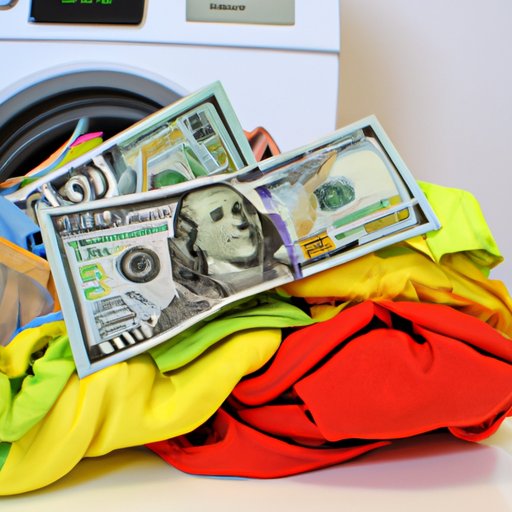
So, one load of laundry would cost you around $0.70 in electricity. Not too bad, right?
Tips and Tricks to Save on Laundry Costs
Want to shrink that laundry bill even further? Here are some simple tips.
Wash in cold water. Seriously, this is a game-changer. Heating water accounts for a big chunk of the energy used. Cold water detergents work great these days.
Air dry your clothes whenever possible. Nothing beats the fresh smell of clothes dried outdoors. Plus, it's free!
Clean your lint trap after every load. A clogged lint trap makes your dryer work harder and longer.
Run full loads. Washing and drying smaller loads more often is less efficient than doing one big load.
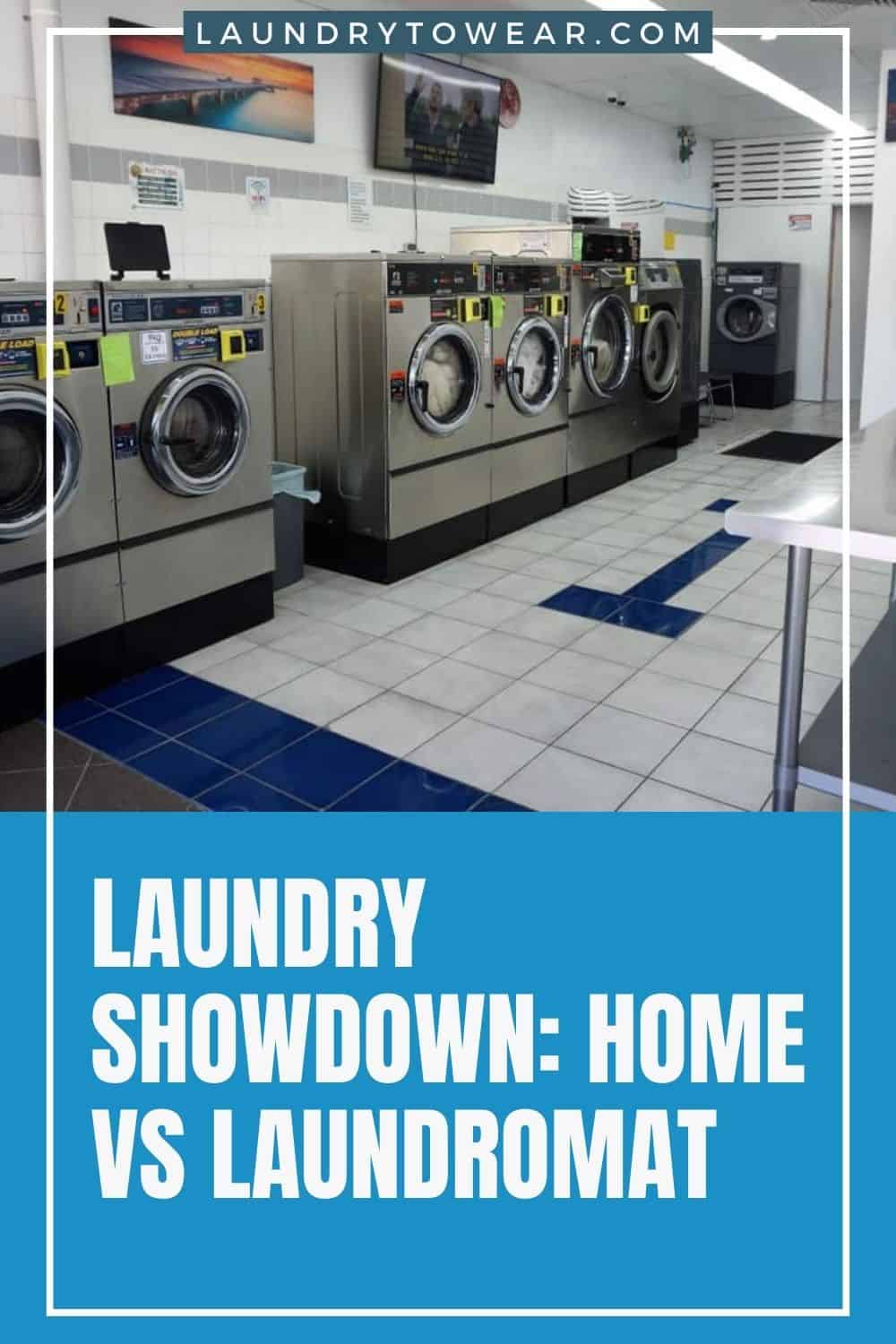
Consider upgrading to energy-efficient appliances. Look for the Energy Star label when shopping for new washing machines and dryers.
Why This Matters: More Than Just Money
Understanding the cost of running appliances helps to manage your energy consumption. It can save money and reduce your environmental impact. Small changes in your laundry routine can add up over time.
So, next time you're doing laundry, take a moment to think about the energy it takes. Embrace your inner electricity detective and start saving!
Who knew laundry could be so…empowering? It's not just folding socks and sorting colors; it's about taking control of your energy use, one load at a time. And that, my friends, is pretty darn special.