
How Much Does A Fifth Wheel Weigh
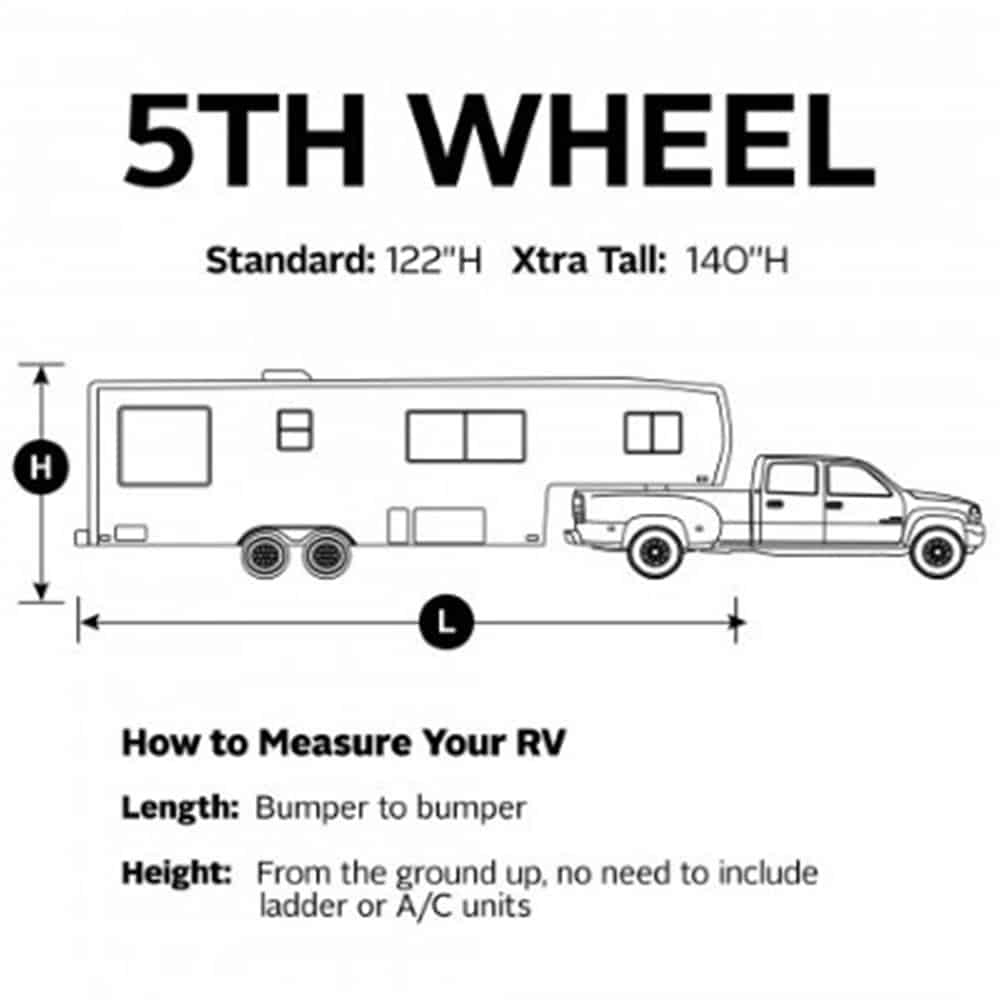
So, you're dreaming of the open road, picturing yourself parked beneath a canopy of stars with a crackling campfire nearby. And a fifth wheel is calling your name, whispering promises of adventure and home-away-from-home comforts. Fantastic! But before you hitch up and head out, let's talk about something crucial: weight. Specifically, how much does a fifth wheel weigh?
This isn't just a matter of curiosity. Understanding the weight of a fifth wheel is essential for safe towing, legal compliance, and ensuring your tow vehicle can handle the load. Imagine trying to pull a Sumo wrestler with a chihuahua – not a pretty picture, right? Same principle applies here.
The Weighty Truth: A Range of Possibilities
Okay, let's get down to brass tacks. Fifth wheel weights can vary significantly. We're talking a range from around 7,000 pounds for a smaller, lighter model to upwards of 20,000 pounds (or even more!) for a luxurious, fully-loaded palace on wheels. Think of it like ordering a pizza – a plain cheese will be lighter than one loaded with every topping imaginable.
Must Read
Several factors influence the weight: length, features, construction materials, and of course, how much stuff you pack inside (that vintage vinyl collection adds up!).
Here's a breakdown to give you a general idea:

- Small Fifth Wheels (Under 30 feet): Typically weigh between 7,000 and 10,000 pounds.
- Mid-Size Fifth Wheels (30-35 feet): Usually fall in the 10,000 to 15,000 pound range.
- Large Fifth Wheels (Over 35 feet): Can easily exceed 15,000 pounds and go much higher.
Keep in mind, these are just estimates. Always check the specific specifications for the model you're considering.
Decoding the Weight Jargon: GVWR, UVW, and More!
The RV world throws around a lot of acronyms, and understanding them is key. Here are a few you'll encounter:
- UVW (Unloaded Vehicle Weight): This is the weight of the fifth wheel as it leaves the factory, without any cargo, water, or propane. It's also sometimes called "dry weight."
- GVWR (Gross Vehicle Weight Rating): This is the maximum permissible weight of the fifth wheel when fully loaded. It includes the UVW plus the weight of all your belongings, water, propane, and passengers.
- CCC (Cargo Carrying Capacity): This is the maximum weight of cargo you can safely add to the fifth wheel. It's calculated by subtracting the UVW from the GVWR.
Pro Tip: Pay close attention to the GVWR. Exceeding it is not only illegal but also incredibly dangerous. It can strain your axles, tires, and braking system, leading to accidents.
Finding the Weight Information: Where to Look
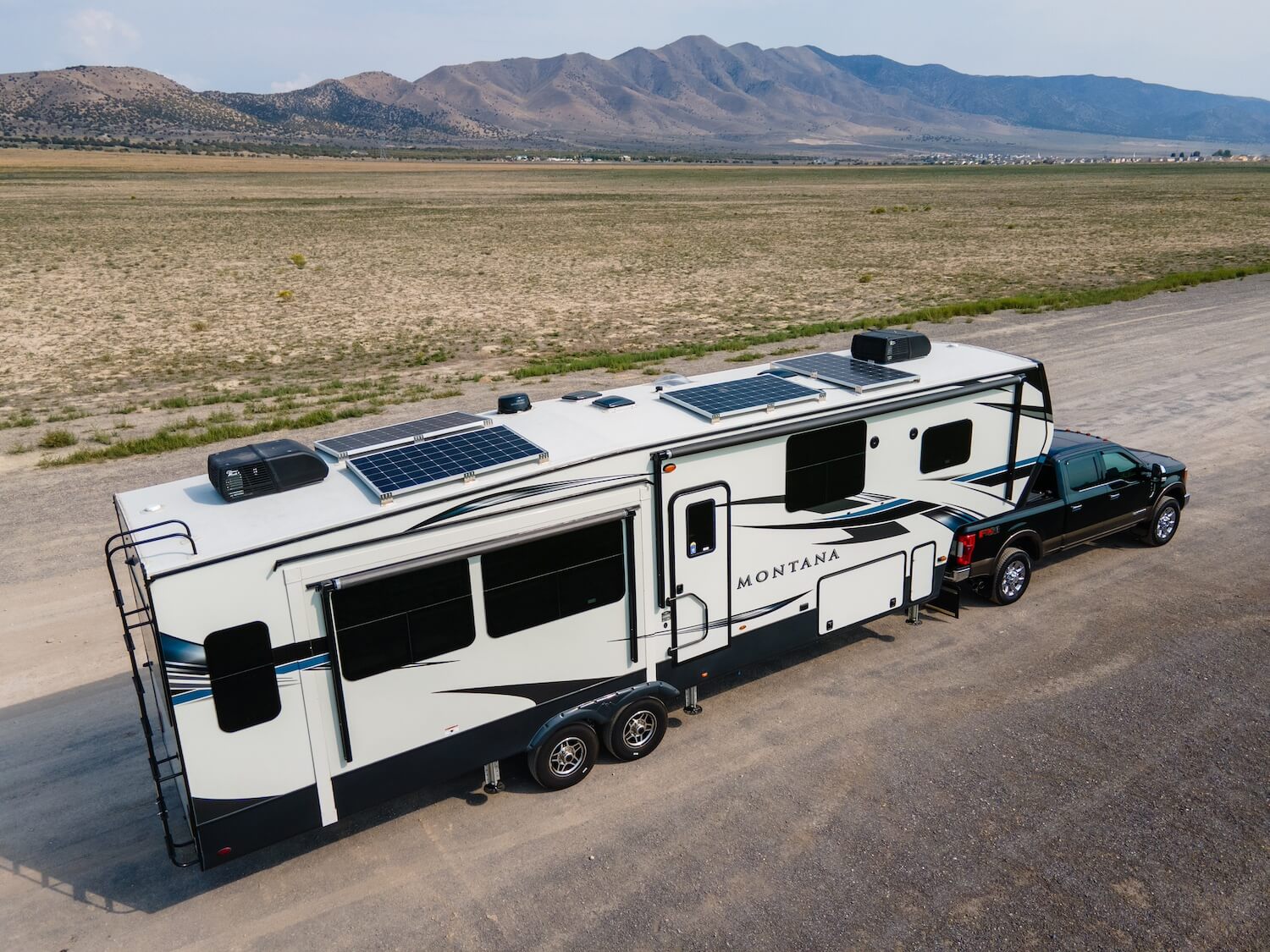
So, where do you find all this vital weight information? Look for a sticker or plate usually located near the entrance door or in a cabinet. This sticker will provide the UVW, GVWR, and other important specifications. You can also find this information in the owner's manual or on the manufacturer's website.
Matching Your Tow Vehicle: The Perfect Pairing
Now comes the crucial part: matching your fifth wheel to a suitable tow vehicle. Just because your truck can physically pull a fifth wheel doesn't mean it should. You need to consider the truck's towing capacity, payload capacity, and gross combined weight rating (GCWR). These specifications are typically found in your truck's owner's manual or on a sticker in the driver's side door jamb.
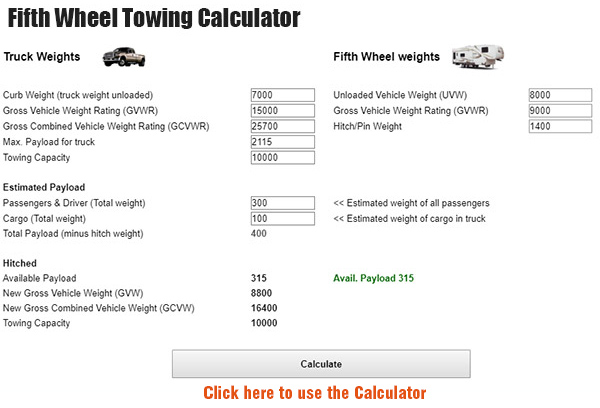
Think of it like this: You wouldn't ask a minivan to haul a boat, would you? The same principle applies here. Overloading your tow vehicle can damage your truck, compromise handling, and increase the risk of accidents.
Seek professional advice: If you're unsure about matching a fifth wheel to your tow vehicle, consult with an RV dealer or a qualified mechanic. They can help you determine if your truck is up to the task.
Practical Tips for Weight Management
Here are a few tips to keep in mind when managing the weight of your fifth wheel:
![How Much Does an RV Weigh? [Complete Guide]](https://dustytrailrv.com/wp-content/uploads/2024/07/FIFTH-WHEEL-RV-WEIGHT.png)
- Pack light: Be mindful of what you're bringing with you. Do you really need that extra set of china?
- Distribute weight evenly: Load heavier items low and towards the center of the fifth wheel to improve stability.
- Weigh your rig: Consider getting your fifth wheel weighed at a truck stop or weigh station to ensure you're within the GVWR.
- Travel with empty tanks: Whenever possible, travel with your water and waste tanks empty to reduce weight.
Bonus Tip: Keep a detailed inventory of everything you pack in your fifth wheel. This will help you track the weight and identify items you can leave behind.
Beyond the Numbers: A Lifestyle Choice
Understanding fifth wheel weights is more than just a technical exercise; it's about responsible RVing. It's about ensuring your safety, protecting your investment, and enjoying the freedom of the open road with peace of mind. The weight consideration, although seemingly technical, is the bedrock of countless adventures, safe family travels, and the realization of a dream lifestyle. Like choosing the right hiking boots for a mountain trek, selecting a fifth wheel and understanding its weight ensures the journey is enjoyable and sustainable.
The freedom to explore, the comfort of a home on wheels – it all starts with knowing your numbers. So, do your homework, weigh your options (pun intended!), and get ready to roll.