
How Much Does A Fan Add To Electricity Bill
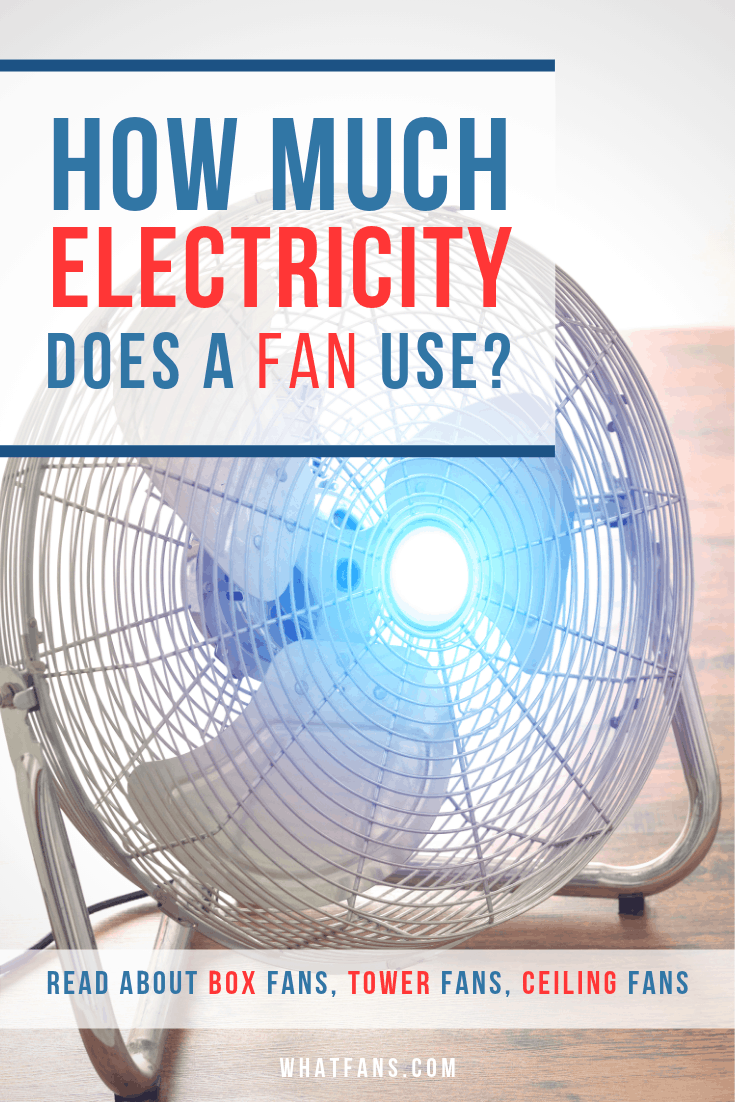
Ever found yourself on a sweltering day, eyeing that trusty fan, and wondering, "Hmm, is this little breeze machine secretly costing me an arm and a leg?" You're not alone! It's a common thought, especially when the mercury climbs and we're all trying to balance comfort with keeping those electricity bills in check. We get it – air conditioning is a big spender, but what about its smaller, gentler cousin, the humble fan?
Let's dive into this breezy mystery with a laid-back, curious vibe. Forget the complicated energy audits; we're just here for a friendly chat about what goes on behind the plug when your fan is whirring away.
So, What's the Big Deal with a Fan's Energy Use?
It’s fascinating, isn't it? We use fans constantly – on our desks, hanging from ceilings, or tall towers standing guard in our living rooms. They’re a ubiquitous part of modern life, especially when summer hits. But unlike, say, a microwave that runs for a few minutes, a fan often runs for hours on end. This sustained usage makes us pause and think: does all that continuous air-pushing add up?
Must Read
The good news? Generally speaking, fans are not power hogs. They're actually quite efficient at what they do: moving air to create a wind-chill effect that makes you feel cooler, even if they don't actually lower the room temperature.
Peeking Behind the Plug: The Wattage Whisperer
To really understand the cost, we need to talk about a little something called watts. Think of watts as the "thirst" an appliance has for electricity. The higher the watts, the more juice it sips. And here's the cool part: fans, generally speaking, have pretty low thirst levels.
- A small desk fan might only use 10-25 watts. That's like a night light!
- A medium-sized tower or box fan could be in the range of 30-70 watts. Still pretty modest, right?
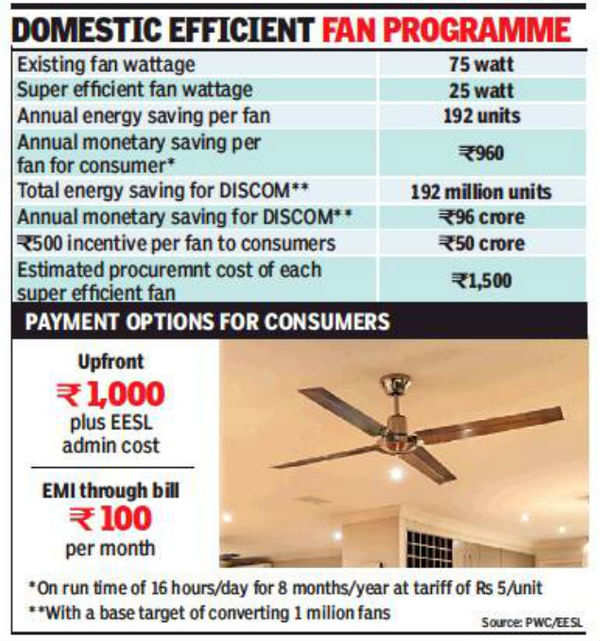
- Even a large ceiling fan, moving a lot of air, usually stays within 15-75 watts, depending on its speed and model.
Compare that to an average window air conditioner, which can gulp down anywhere from 500 to 1500 watts! See the difference? It's like comparing a casual sip of water to chugging a whole gallon.
The Math, Simplified: From Watts to Wallet
Okay, let's do a tiny bit of super-simple math, just to give you a clearer picture. Don't worry, no advanced calculus required! Electricity is typically measured and billed in kilowatt-hours (kWh). One kilowatt-hour is 1,000 watts used for one hour.
Here’s the basic formula to estimate the cost:
(Fan's Watts / 1000) x Hours Used x Cost per kWh = Your Bill Addition
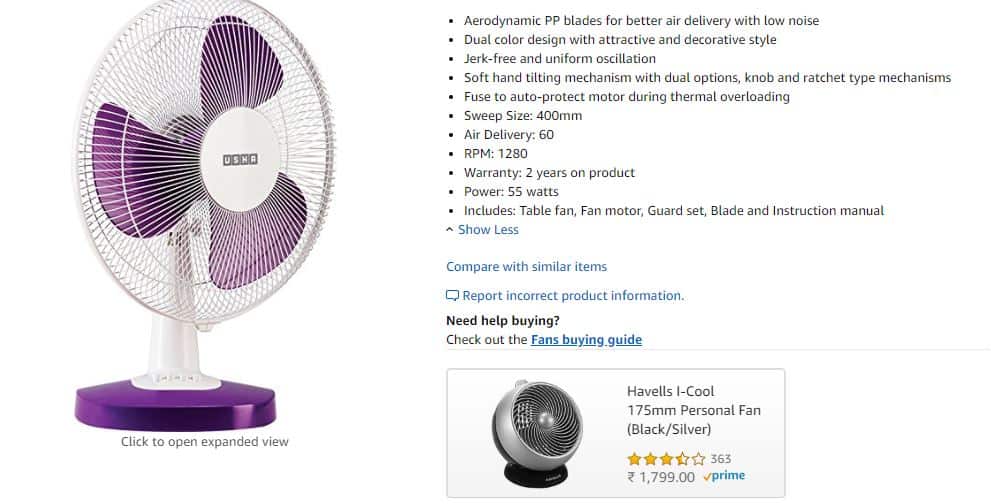
Let's take an example: Imagine you have a 50-watt fan (a pretty standard, mid-sized one) and you run it for 8 hours a day. Let's also say your electricity costs about 15 cents per kWh (this varies, so check your own bill!).
(50 watts / 1000) x 8 hours x $0.15/kWh = $0.06 per day!
That's right, six cents a day! For a whole month of 8-hour daily use, that's roughly $1.80. We're talking about the cost of a single pack of gum or maybe half a fancy coffee. Is that what you were expecting?
Fun Comparisons: What Else Costs This Little?
To put that $1.80 a month into perspective, let's play a game of "Guess the Cost":
- Charging your smartphone? Probably a few pennies a month.
- Running a single 60-watt incandescent light bulb for 8 hours a day? That's actually more than your fan – around $2.16 a month!
- A typical coffee maker brewing one pot daily? Could be around $3-$5 a month.
So, your fan, even running for a good chunk of the day, is often costing you less than keeping an old-school light bulb on for the same amount of time. Pretty cool, huh?
Why Fans are Your Chill-Out Champions
Beyond the surprisingly low cost, fans are truly unsung heroes for several reasons:
They are energy-efficient powerhouses. When it's not blazingly hot, using a fan instead of cranking up the AC can save you a bundle. A fan only uses a fraction of the electricity an air conditioner does. In fact, using a ceiling fan allows you to raise your thermostat setting by about 4 degrees Fahrenheit with no reduction in comfort. That's a significant energy saving right there!

They offer instant personal comfort. That direct breeze just feels good! It evaporates sweat from your skin, making you feel instantly cooler. It's a simple, effective solution for localized cooling.
They provide great air circulation. Stale air? Not on a fan's watch! They help keep the air moving, which can be beneficial for comfort and even for reducing stuffiness in a room.
The Verdict: Fan On, Worry Off!
So, the next time you hesitate before flicking on that fan, take a deep breath and relax. Unless you're running a massive industrial fan 24/7, the impact on your electricity bill is likely to be minimal, often less than a couple of dollars a month for a regular fan used daily.
They are an incredibly cost-effective way to stay comfortable and add a little breezy relief to your home without draining your wallet. So go ahead, embrace the whir, enjoy the breeze, and stay cool without the financial fuss. Your fan is doing its job without being a secret electricity hog. Pretty sweet deal, right?