
How Much Does A Fabricator Make

You know that feeling when you see something incredibly well-built? Maybe it's a sleek, modern railing on a new building, or the robust chassis of a custom truck, or even just a perfectly mitered frame around a piece of art. It’s not just a thing; it's a testament to skill. Someone crafted that. Someone measured, cut, shaped, and joined various pieces of material, often metal, with incredible precision and strength. And let's be real, you might have even tried a small DIY project at home that involved some sort of metalwork – a wobbly shelf, perhaps? – and quickly realized there's an art (and a lot of sweat) to getting it right.
Those "someones"? They're often called fabricators. They're the unsung heroes who turn raw materials into functional, beautiful, and critical components for pretty much everything around us. From bridges to car parts, from intricate sculptures to the structural guts of skyscrapers, fabricators are shaping our world, literally.
So, if these folks are so crucial, and their skills are clearly beyond the average weekend warrior (no offense, we've all been there!), a pretty big question pops up, doesn't it? How much do these wizards of metal actually make? Let's dive into the fascinating, and sometimes quite lucrative, world of fabricator salaries.
Must Read
So, What's the Real Deal with Fabricator Pay?
Alright, let's cut to the chase. Just like asking "how much does a doctor make?", there's no single, simple answer. A fabricator's salary is like a perfectly welded seam – it's strong, but it's made up of several key components. We’re talking about a mix of factors that influence how fat that paycheck can get.
Experience: Your Journey Up the Pay Scale
This is probably the most obvious one, but it's worth emphasizing.
Entry-Level: If you're just starting out, fresh out of a trade school, or learning on the job, you might begin somewhere in the $18-$25 per hour range. This is where you’re soaking up knowledge, honing your basic cuts, and perhaps getting certified in specific welding techniques. It’s a solid start for a skilled trade, especially when you consider you're building a valuable craft.
Mid-Career: Once you've got a few years under your belt, perhaps 3-7 years, and you're confidently tackling more complex projects, your earnings can jump significantly. Think $25-$35 per hour. At this stage, you’re likely specializing a bit, maybe operating CNC equipment, or taking on more responsibility. You're becoming a real asset!

Seasoned Pros & Specialists: These are the folks with 10+ years of experience, the ones who can look at a blueprint and immediately spot potential issues, or perform highly specialized welding (like aerospace-grade TIG welding, for example). They can command $35-$45+ per hour, and sometimes even higher for specialized, in-demand skills or supervisory roles. These are the folks who make things look effortless.
Location, Location, Location!
Where you hang your hard hat makes a huge difference. A fabricator in a bustling metropolitan area with a high cost of living (and high demand for skilled trades) like New York or California is going to earn more than someone doing similar work in a rural town in, say, the Midwest.
Demand also plays a part. Areas with booming construction, manufacturing, or energy sectors will often pay more to attract and retain skilled fabricators. So, if you're thinking about a career change, it might be worth checking the job market in your region.
Specialization & Skills: Niche Equals Nice Paycheck
Fabrication isn't just one thing. Are you primarily a welder? Do you work with sheet metal, structural steel, or exotic alloys?
Specific Certifications: Holding certifications from organizations like the American Welding Society (AWS) in advanced welding techniques (e.g., TIG, MIG on various materials) makes you incredibly valuable. These aren't just pieces of paper; they're proof of precision.

Operating Advanced Machinery: If you can program and operate CNC plasma cutters, laser cutters, press brakes, or robotic welding systems, you're looking at a higher pay scale. Technology is your friend here!
Niche Industries: Fabricators working in aerospace, marine (think yachts or shipbuilding), or custom artistic fabrication often command premium rates due to the extreme precision and unique skills required.
Industry Matters: Where You Hang Your Hard Hat
The industry you choose to work in also influences your pay.
Construction: Often project-based, good hourly rates, but sometimes inconsistent work.
Manufacturing: Can offer more stable, steady work, but sometimes at a slightly lower hourly rate compared to specialized construction.
Custom Shops: Can vary wildly – from modest beginnings to very high earnings for specialized, high-demand custom work.
Aerospace/Automotive: Typically offers excellent pay and benefits due to the stringent quality requirements and critical nature of the work.
The Hard Numbers (ish): What Can You Expect?
So, what are we talking about in actual dollars? While it varies, here’s a rough ballpark:
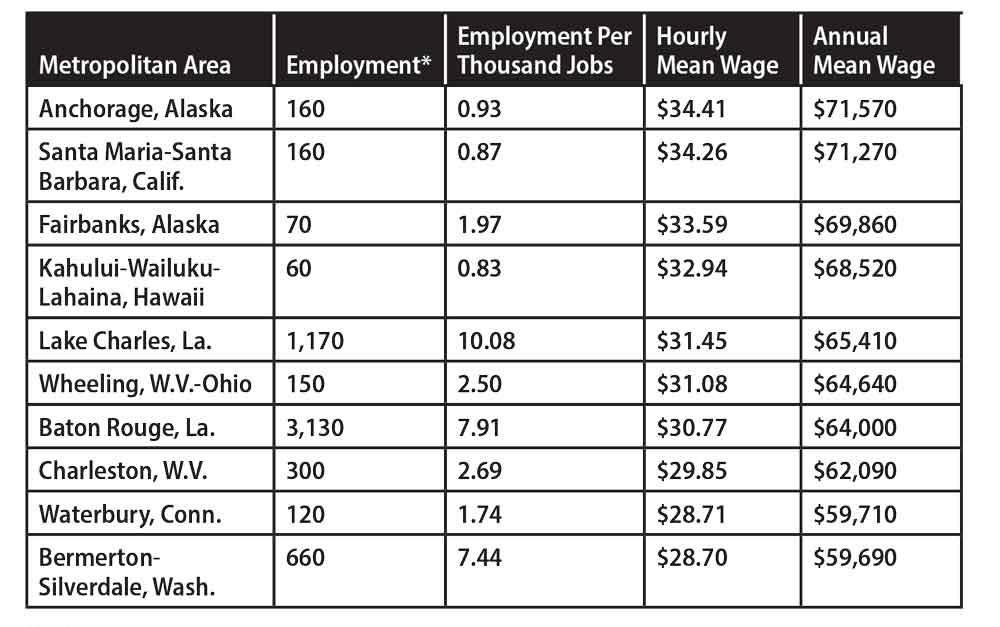
Many fabricators in the U.S. can expect an average annual salary somewhere in the $40,000 to $65,000 range. However, with experience, specialization, and working in high-demand areas or industries, that number can easily climb to $70,000, $80,000, or even $100,000+ per year for highly skilled, lead fabricators, or those who own their own successful shops.
Don't forget about overtime! Fabrication often involves tight deadlines, which means opportunities for extra hours at time-and-a-half. That can significantly boost your overall take-home pay, especially in busy seasons.

Beyond the Benjamins: The Real Value
Money is great, no doubt, but there's more to a fabricator's career than just the paycheck.
Job Satisfaction: There's immense pride in seeing a raw sketch transform into a tangible, functional object because of your hands and skill. You get to literally build the world around you. How cool is that?
Stability and Demand: Skilled trades, especially fabrication and welding, are consistently in demand. Robots can do a lot, but they can't entirely replace the adaptability and problem-solving of a human fabricator. It’s a future-proof skill.
Career Progression: You can move from fabricator to lead fabricator, to shop supervisor, project manager, or even open your own fabrication business. The sky's truly the limit!
So, next time you see a beautifully crafted metal object, give a nod to the fabricator behind it. Chances are, they’re earning a solid living, enjoying their craft, and literally making our world a stronger, more functional place. It’s a career path that truly builds value, both literally and financially.