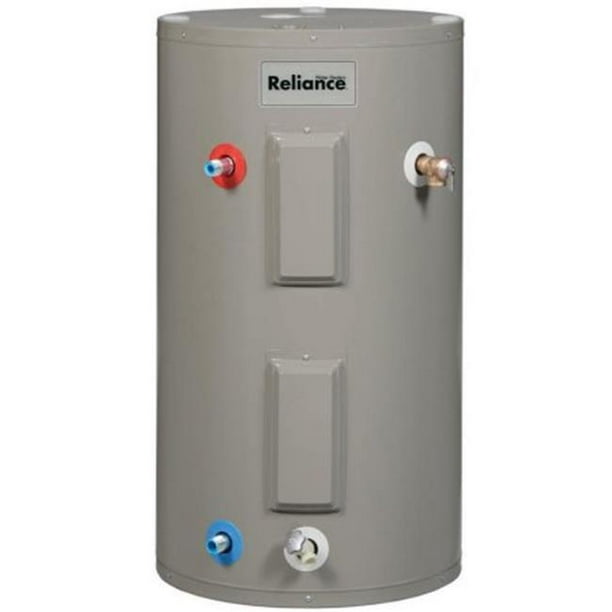
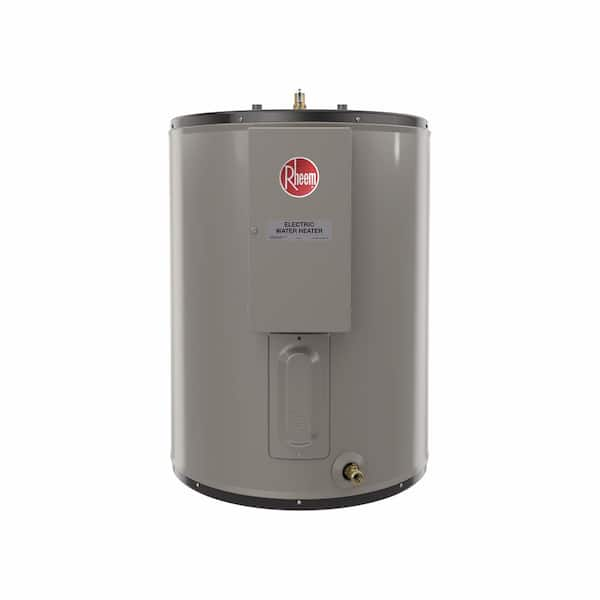
How Much Does A 40 Gallon Hot Water Heater Cost
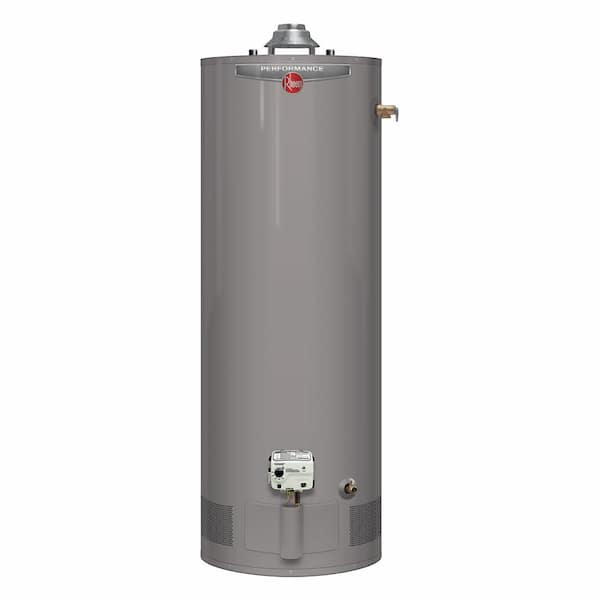
Okay, folks, let's talk hot water! Because, let's be honest, nobody likes a cold shower, especially when you're expecting that soothing, steamy embrace. And at the heart of that hot water magic often sits a trusty, reliable 40-gallon hot water heater. But the million-dollar question (well, maybe not a million, but still an important one!), is: how much does one of these bad boys actually cost?
The Great 40-Gallon Hot Water Heater Price Reveal!
Alright, drumroll please! The price of a 40-gallon hot water heater is, like most things in life, "it depends." But fear not, I'm here to break it down for you in a way that's easier to swallow than a lukewarm cup of coffee. Generally, you're looking at a range, and that range is usually somewhere between $400 and $1600. Whoa, right? That's a pretty wide spread. Let's dive into the nitty-gritty.
Factors That Make the Price Do the Cha-Cha
So, what makes the price jump around like a caffeinated squirrel? Here are some of the biggest culprits:
Must Read
- The Fuel Source: Are we talking electric, gas, or propane? Electric heaters generally have a lower upfront cost. Gas and propane heaters, while potentially more energy-efficient in the long run, tend to have a higher initial price tag. Think of it like this: electric is the comfy sedan, gas is the sporty SUV – both get you there, but in different styles (and at different prices!).
- The Tank Material: The inside of your hot water heater tank is battling water 24/7. That's why the material matters! Some tanks are coated with porcelain (a classic), while others might be made of more durable, corrosion-resistant materials. The fancier the material, the fancier the price. It's like choosing between a basic t-shirt and a designer one - both cover you, but one lasts (and costs) a whole lot more.
- The Brand Name: Just like with cars, clothes, or anything else, brand recognition plays a role. Rheem, Bradford White, and A. O. Smith are generally considered the big players in the hot water heater game. Their reputations often come with a slightly higher price tag, but also, presumably, a higher level of reliability.
- Where You Buy It: Are you grabbing your hot water heater from a big box store like Home Depot or Lowe's? Or are you going through a local plumbing supply company? Prices can vary, so it's always a good idea to shop around!
Installation Costs: Don't Forget This Piece of the Puzzle!
Okay, you've found the perfect 40-gallon hot water heater! High five! But wait, there's more! You've got to get it installed. Unless you're a seasoned DIY-er with a plumbing license (and if you are, you're probably not reading this article!), you'll need to hire a professional plumber. And those installation costs can add a significant chunk to the overall bill.
Installation costs can range from $500 to $1500, depending on the complexity of the job. Are you replacing an existing heater? Or are you installing one in a brand new location? Are there any funky plumbing issues that need to be addressed? All of these factors will influence the final installation price.
Pro Tip: Get quotes from at least three different plumbers before making a decision. And be sure to ask them about any potential hidden costs or fees!
The Bottom Line (and a Fun Analogy!)
So, what's the grand total? Let's say you snag a basic electric 40-gallon hot water heater for $500, and the installation costs are $700. You're looking at a total of $1200. Not exactly pocket change, but definitely worth it for the luxury of a hot shower whenever you want it!

Think of it like this: buying a hot water heater is like buying a really, really good cup of coffee every day for a year. Except instead of coffee, you get hot water. And instead of supporting your local barista, you're supporting... well, your local plumber! Okay, maybe the analogy isn't perfect, but you get the idea! It's an investment in your comfort and well-being.
So, do your research, shop around, and don't be afraid to ask questions. And remember, a little bit of planning can save you a lot of money (and prevent a lot of cold showers!) in the long run.