
How Much Do Electric Car Charging Stations Charge
So, you're thinking about joining the electric car revolution? Awesome! You’re picturing yourself silently gliding past gas stations, a smug smile on your face, right? But then the question pops into your head: "Okay, but how much does it actually cost to charge these things?" Don’t worry, we've got you covered.
Let's break down the electrifying economics of charging up your new best friend.
Charging at Home: Your Personal Power Plant
Think of your home charger as your personal little power plant. It's like having a mini gas station, but instead of that weird gasoline smell, you get… well, nothing! Just pure, silent electricity.
Must Read
The beauty of home charging is its simplicity. You basically pay your regular electricity rate. Check your bill, find that cents-per-kilowatt-hour (kWh) number. That's your magic number!
Let's say your electricity costs 15 cents per kWh. And let’s pretend your electric car needs 60 kWh to fully charge from empty (most don’t, but for the sake of easy math!). That full charge would cost you a grand total of… $9! That's less than a fancy latte!
Factors Affecting Home Charging Costs
Of course, there are a few little gremlins that can influence the final price. Think of them as the tiny pixies of power consumption!
Time-of-Use Rates: Some electricity companies offer different rates depending on the time of day. Charging overnight, when demand is low, could save you some serious dough. It's like happy hour for your car!
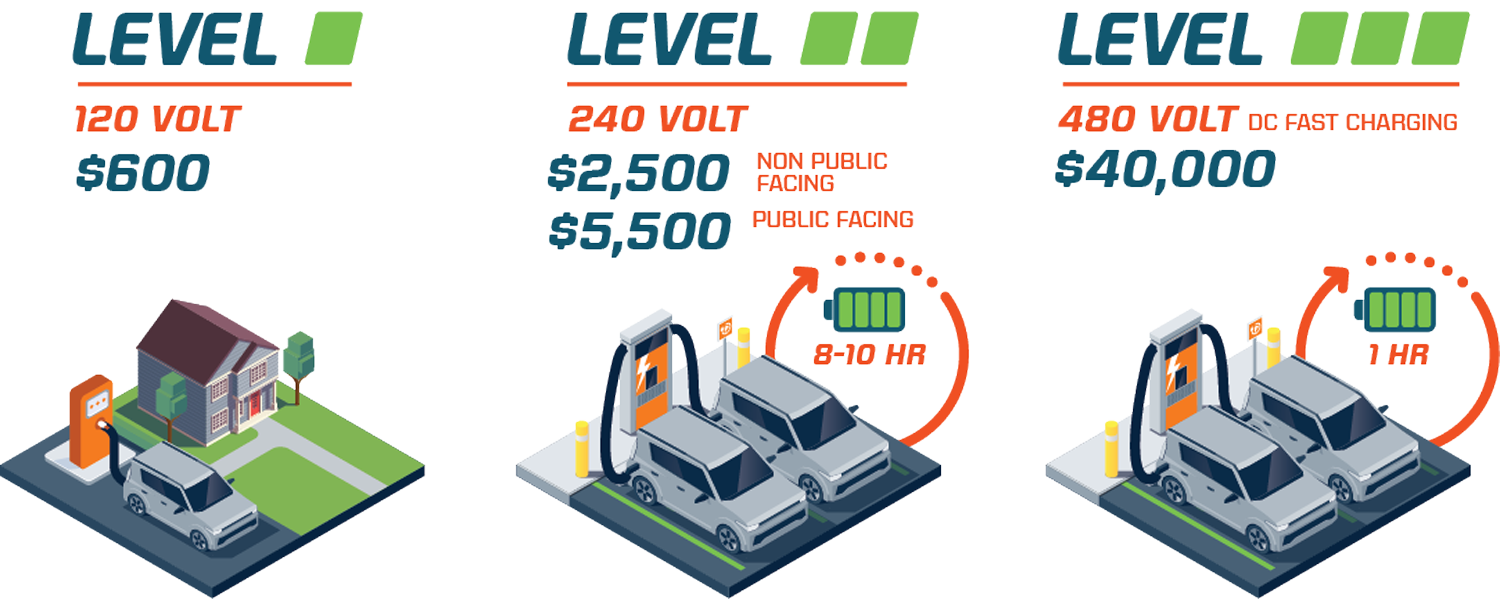
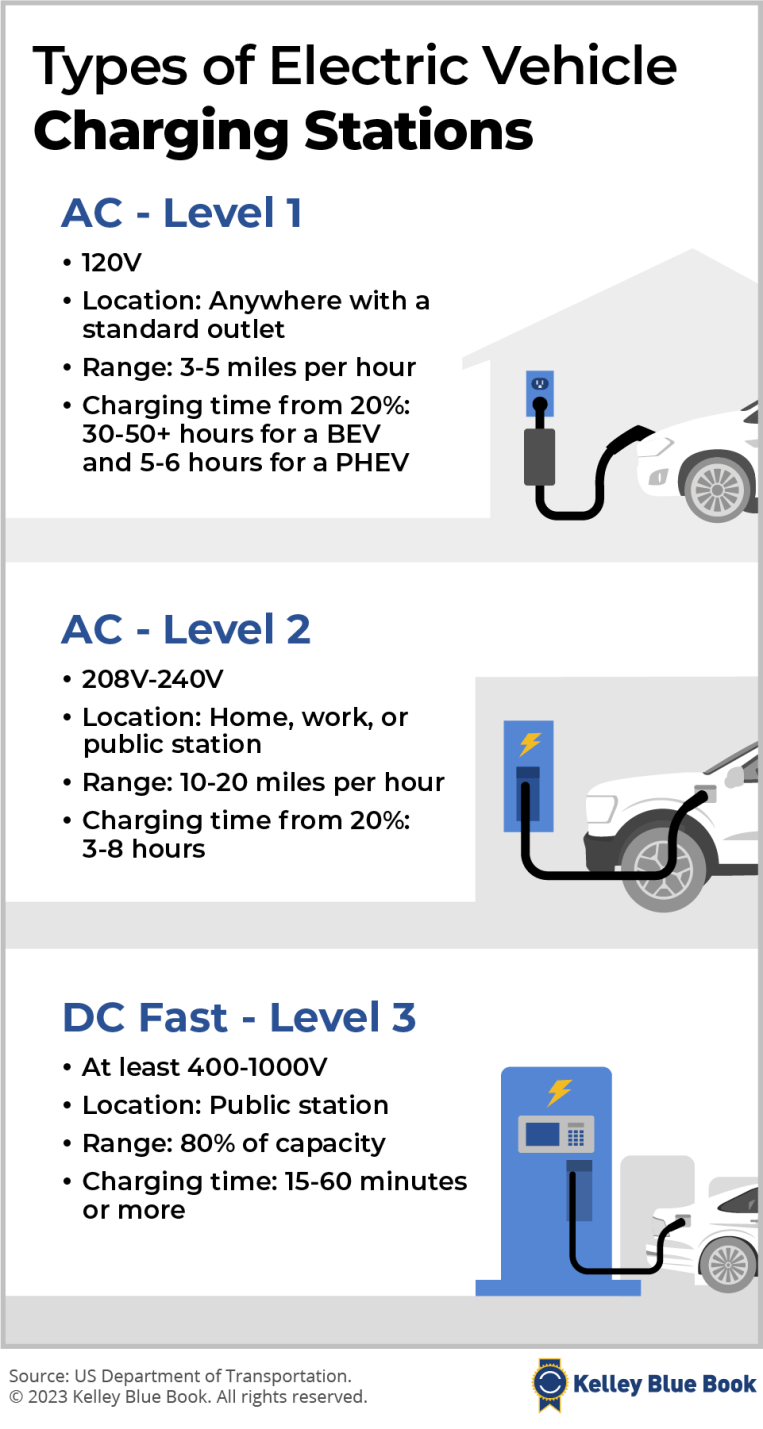
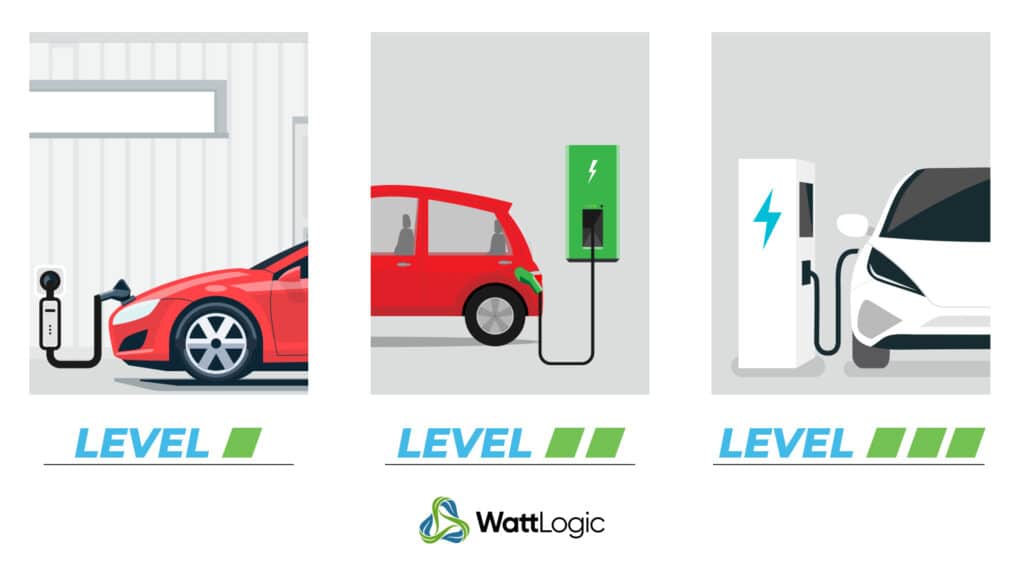
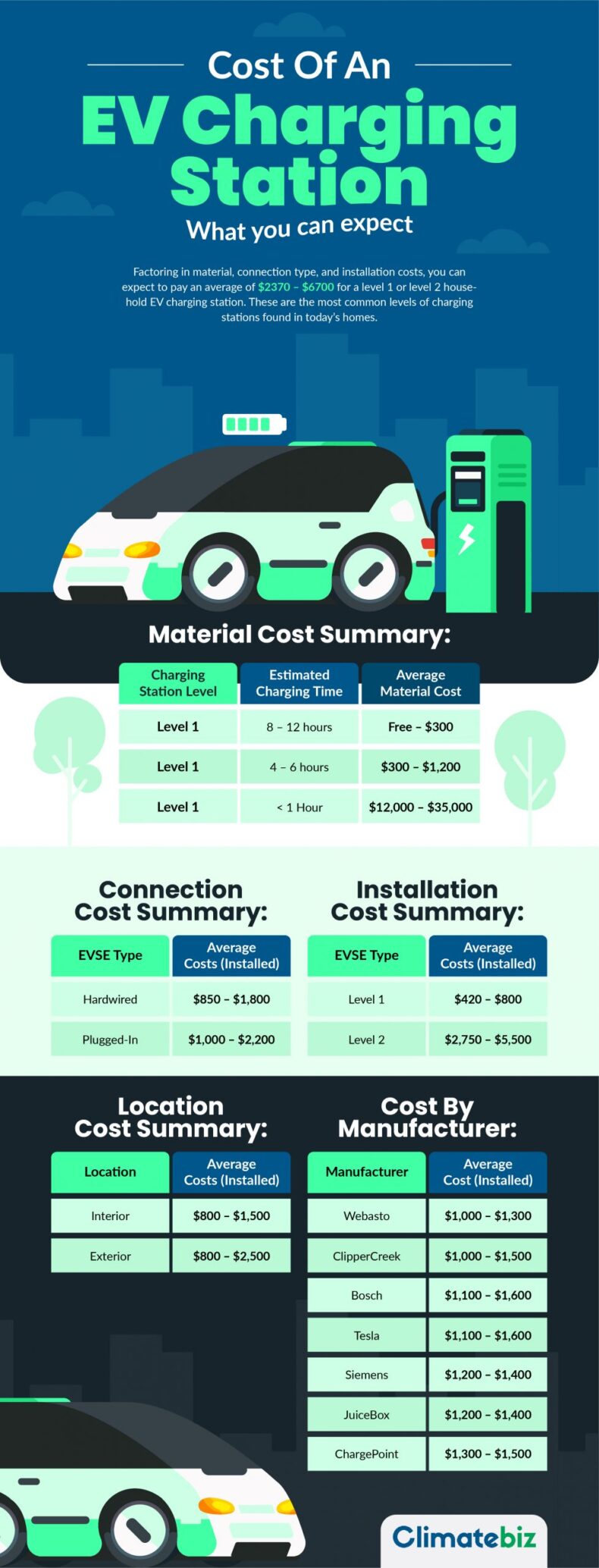
Charger Type: You can install different types of chargers at home. A basic Level 1 charger is slow and steady, plugging into a regular outlet. A Level 2 charger is faster and requires professional installation but will give you a quicker refill.
Your Driving Habits: The more you drive, the more you'll charge, obviously! But even aggressive driving can drain the battery faster, making you plug in more often.
Public Charging Stations: The Electric Road Trip Refuel
Venture out into the world of public charging, and you'll encounter a whole different landscape of options and pricing. It's like exploring a new galaxy of electrical outlets!
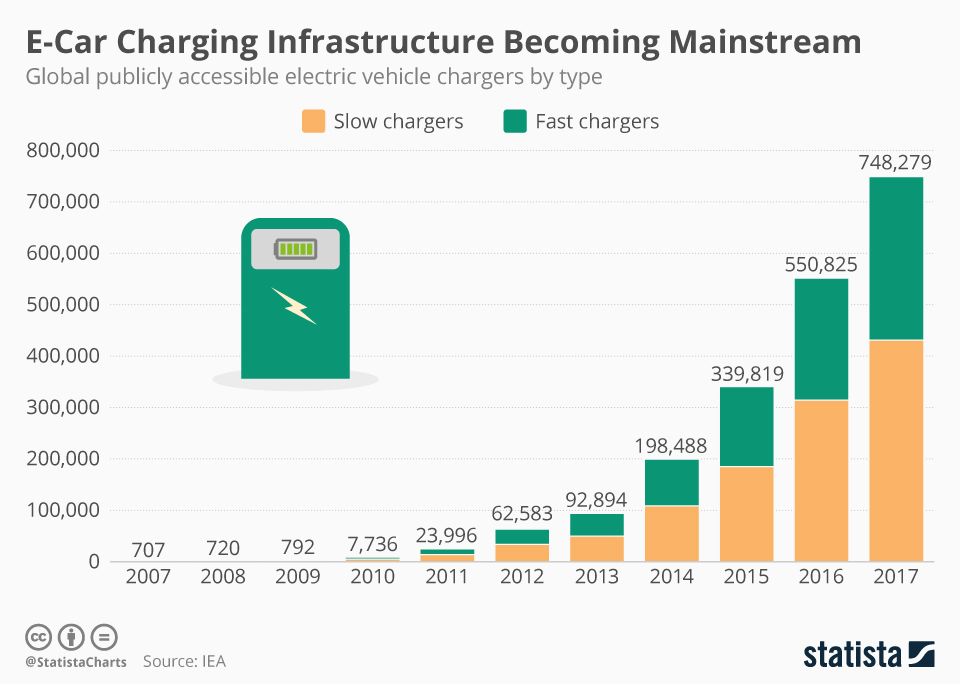
Public charging stations are popping up everywhere: grocery stores, shopping malls, even your favorite coffee shop. They offer convenience and peace of mind on long journeys.
However, pricing structures can be a bit more varied. It's not just a simple per-kWh calculation anymore.
Types of Public Charging and Their Costs
Just like gas stations offer different grades of fuel, public charging stations offer different charging speeds, and that affects the price.
Level 2 Chargers: These are like the regular unleaded of the EV world. They're relatively common and offer a decent charging speed. They often charge by the hour, so if you're a slow sipper of electricity, this could add up.
DC Fast Chargers (Level 3): These are the premium, high-octane chargers. They can add significant range in a short amount of time. Because of the power they deliver, they also tend to be the most expensive, charging per kWh or sometimes even per minute.
Imagine filling your car faster than you can finish a bathroom break. That's the power of DC Fast Charging!
Public Charging Networks and Memberships
Many public charging stations belong to networks like ChargePoint, Electrify America, and EVgo. Think of them as the AAA of the electric vehicle world.
These networks often offer membership programs that can reduce your charging costs. It's like getting a loyalty card for electrons!
Membership fees vary, but if you use public chargers frequently, the savings can add up. Plus, some memberships unlock perks like preferential charging rates or reservation options.
Factors Affecting Public Charging Costs
Just like with home charging, several factors can influence how much you pay at public charging stations. Keep these in mind to avoid sticker shock!
Charging Speed: Faster charging means higher costs. It's the price you pay for convenience.
Location: Charging stations in high-traffic areas, like downtown or near popular attractions, may charge more. Location, location, location… even applies to electrons!
Time of Day: Some charging networks implement peak and off-peak pricing. Charging during peak hours could cost you more. Plan your charging accordingly to save those precious pennies!
Idle Fees: Some networks charge idle fees if you leave your car plugged in after it's fully charged. It's like getting a parking ticket for hogging the electron pump!
Comparing Costs: Electric vs. Gas
Now for the big question: how does charging an electric car compare to filling up a gas guzzler? Let's ditch the technical jargon and get real.
Generally speaking, electric cars are significantly cheaper to "fuel" than gasoline cars. Even with public charging costs, you'll likely save money in the long run. It's like getting a permanent discount on your commute!
Think about it: no more trips to the gas station, no more wincing as the numbers on the pump climb higher and higher. Just plug in, charge up, and go!
A Simplified Example
Let's say gas costs $4 per gallon, and your gas car gets 25 miles per gallon. That's 16 cents per mile.
Now, let's say your electric car consumes 3 miles per kWh, and electricity costs 15 cents per kWh. That's only 5 cents per mile!
Over the course of a year, driving 15,000 miles, you'd spend $2,400 on gas versus just $750 on electricity. That’s a whopping $1,650 savings! Imagine what you could do with all that extra cash!
Tips for Saving Money on Electric Car Charging
Want to maximize your savings and become a charging ninja? Here are a few tips to keep your costs down:
Charge at Home Whenever Possible: Home charging is almost always cheaper than public charging.
Take Advantage of Time-of-Use Rates: Charge during off-peak hours to snag the lowest electricity rates. Set it and forget it!
Join Charging Networks: Membership programs can unlock significant discounts.
Plan Your Road Trips: Use apps like PlugShare or A Better Routeplanner to locate charging stations along your route and compare prices.
Drive Efficiently: Gentle acceleration and braking can help you conserve energy and extend your range.
Shop Around for Electricity Providers: In some areas, you can choose your electricity provider. Compare rates and find the best deal.
The Future of Electric Car Charging Costs
The world of electric car charging is constantly evolving. As technology improves and demand increases, we can expect to see even more affordable and convenient charging options.
Battery technology is getting better, allowing for longer ranges and faster charging times. Charging infrastructure is expanding rapidly, with more and more public charging stations popping up every day.
Who knows, maybe someday we'll have wireless charging roads that automatically power up your car as you drive! The future is electric, and it's looking bright!
So, there you have it! The electric car charging landscape, demystified. Remember, the cost of charging depends on a few factors, but overall, it's almost always cheaper than gas. Now go forth, embrace the electric revolution, and enjoy the ride!