
How Much Carbon Does A Medium Carbon Steel Contain
Alright, settle in folks! Grab a coffee (or something stronger, I’m not judging). Today, we’re diving headfirst into the thrilling world of... carbon steel. Yeah, yeah, I know what you're thinking: "Thrilling? Steel? Sounds about as exciting as watching paint dry." But trust me, this is actually kinda cool, especially when we’re talking about medium carbon steel.
We're all surrounded by steel, right? Cars, buildings, that ridiculously heavy frying pan your grandma gave you... it's everywhere. But what is steel? Well, at its heart, it's mostly iron, that stuff that makes your blood red and rust annoying. But pure iron is kinda... soft. Like, "bend it with your bare hands" soft (okay, maybe not, but comparatively soft!). So, to beef it up, we add carbon. Think of carbon as the protein powder for iron, giving it that extra oomph.
Now, the amount of carbon we chuck in decides what kind of steel we get. Too little carbon, and you've got low carbon steel, which is like the skinny kid at the iron gym – easy to weld, easy to form, but not exactly going to win any strength competitions. Too much carbon, and you end up with high carbon steel, the bodybuilder who's all ripped muscles but shatters if you drop him. Think brittle, good for knives but not so good for, say, a suspension bridge.
Must Read
And then, there's the Goldilocks of the steel family: medium carbon steel. Not too soft, not too brittle, just right! But what exactly does "just right" mean in terms of carbon content? That's the million-dollar question (or at least, the price of a decent medium carbon steel wrench).
The Carbon Content Conundrum
So, how much carbon are we talking about? Buckle up, because here comes the science-y bit (don’t worry, I’ll keep it painless). Medium carbon steel typically contains between 0.30% and 0.60% carbon by weight.
Yep, that's it! Seems anticlimactic, doesn't it? All this build-up for a measly few tenths of a percent. But those tenths are crucial. Think of it like seasoning a dish. A little salt makes everything better, but too much and you're practically drinking the Dead Sea. Similarly, that small amount of carbon transforms iron into a much tougher, more versatile material.
Now, you might be thinking, "Okay, 0.30% to 0.60%, got it. But what does that actually look like?" Well, imagine you have 1000 iron atoms. In medium carbon steel, you'd have between 3 and 6 carbon atoms hanging around, causing all sorts of mayhem (in a good way!) by disrupting the iron atoms and making it harder for them to slide past each other. This disruption is what gives medium carbon steel its increased strength and hardness.
Why this specific range? Well, below 0.30%, you're basically edging into low carbon steel territory, which means less strength and less hardenability (the ability to get even harder through heat treatment). Above 0.60%, and you're flirting with high carbon steel, which means increased hardness but also increased brittleness. No one wants a brittle I-beam, trust me. That's a recipe for disaster (and a really bad day for the engineers).
Why Medium Carbon Steel is the MVP
So, why is medium carbon steel such a big deal? It's the versatility, baby! It's strong enough for structural components, like axles, gears, and crankshafts in your car, and yet it's still machinable and relatively easy to work with. It's the Swiss Army knife of the steel world. You can harden it through heat treatment to make it even tougher, and it offers a good balance between strength, ductility (the ability to be stretched), and weldability.
Think of it this way: you wouldn't build a skyscraper out of butter (low carbon steel equivalent), and you wouldn't make a butter knife out of diamond (high carbon steel equivalent). You need something in between, something that can handle the stress and strain without snapping in half. That's where medium carbon steel shines.
In short, medium carbon steel is the workhorse of the engineering world. It's the reliable, dependable material that gets the job done without any drama (except maybe a little rust if you don't take care of it). So, next time you're driving across a bridge or marveling at a tall building, remember the unsung hero inside: medium carbon steel, with its carefully calibrated carbon content.
Fun Facts (Because Why Not?)
Alright, before I let you go, here are a couple of surprising tidbits about steel and carbon:
*Adding even tiny amounts of other elements, like manganese or chromium, to medium carbon steel can drastically change its properties. It’s like adding spices to that stew. A pinch of cayenne can make all the difference!
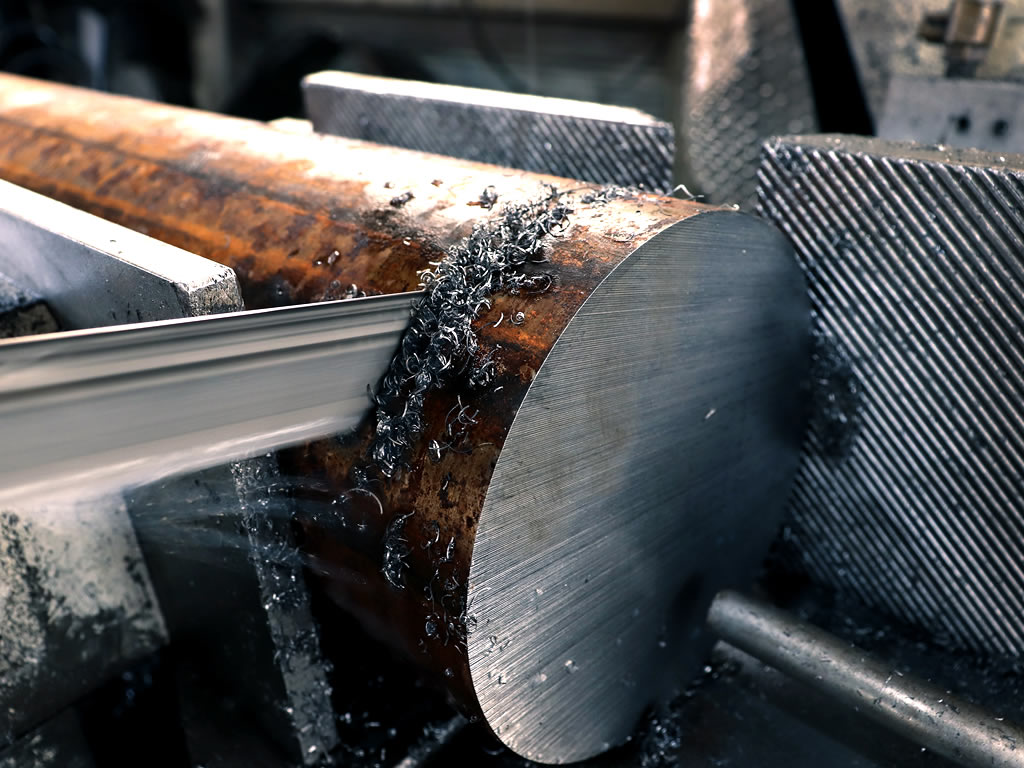
The carbon in steel actually exists as a compound called iron carbide (Fe3C), also known as cementite. Fancy, huh? It sounds like something you'd use to build a really strong wall, and in a way, it is.
*You can actually tell the carbon content of steel by looking at the sparks it makes when you grind it! High carbon steel produces brighter, more complex sparks than low carbon steel. It's like a tiny metalwork fireworks display!
So, there you have it! The next time someone asks you how much carbon is in medium carbon steel, you can confidently say, "Between 0.30% and 0.60% by weight, you magnificent nerd!" And then, maybe offer them a coffee. You’ve earned it.