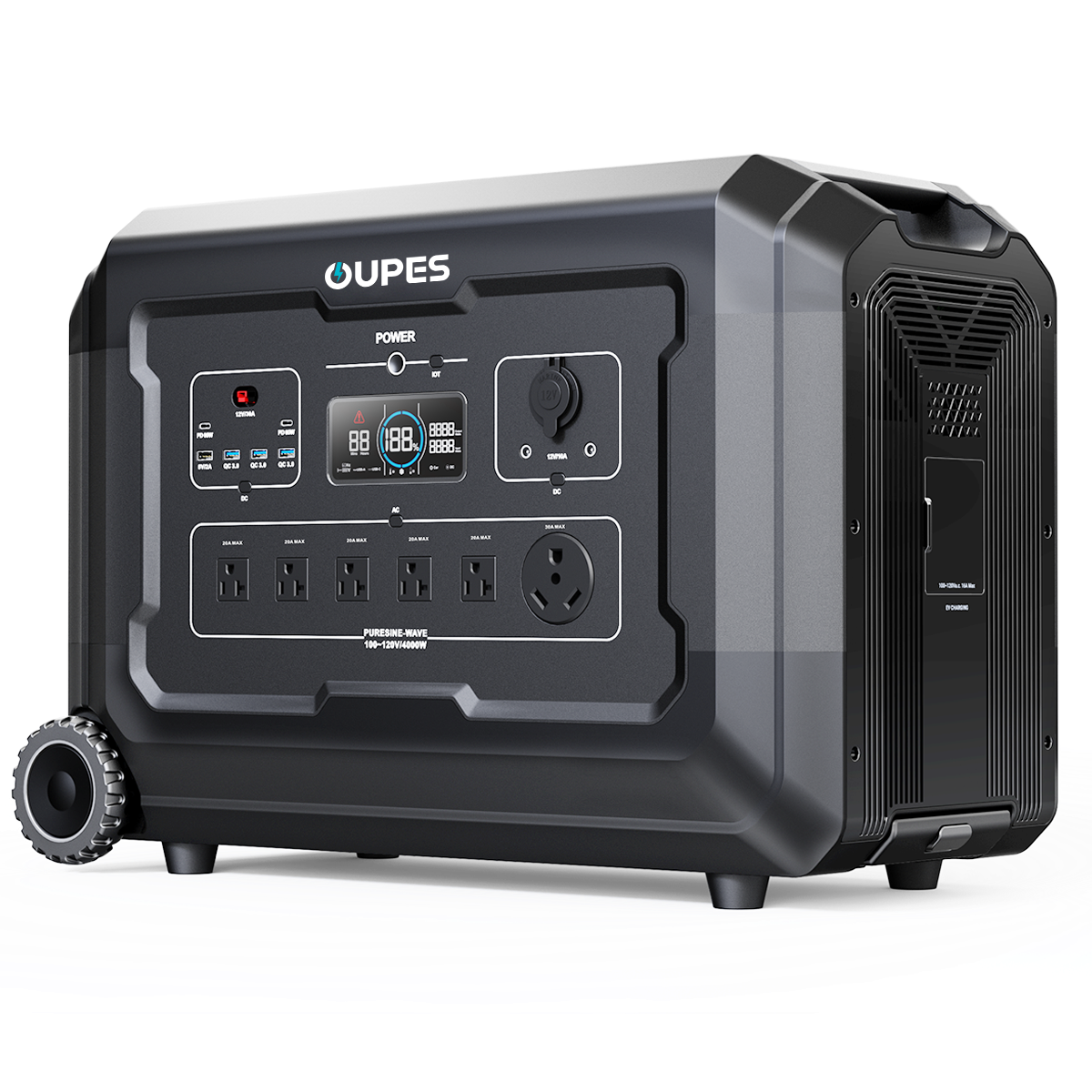
How Much Backup Power Do I Need
Ever been in the middle of a nail-biting movie, stirring a delicious dinner, or wrapping up an important work email, when suddenly... poof! The lights go out? It's like the universe hit the pause button on your life. Annoying, right? But what if you could laugh in the face of an outage? What if you had the power to keep your world running, even when the grid decides to take a nap? That's where backup power comes in, and figuring out how much you need is actually a fun, empowering quest for peace of mind.
The beauty of backup power isn't just about avoiding inconvenience; it's about reclaiming control. It's about ensuring your fridge keeps humming, your Wi-Fi stays live, and your phone can still scroll through cat videos (or call for help!). Imagine being the hero of your household, calmly charging devices while your neighbors fumble in the dark. It’s not just practical; it’s genuinely satisfying. The purpose is simple: to provide an uninterrupted flow of electricity to your most important items when the primary source fails. The benefits? Comfort, safety, connectivity, and the delicious taste of warm coffee on a cold, dark morning.
So, how much backup power do you actually need? It's like asking how many snacks you need for a road trip – it depends on how long the trip is and how hungry you get! Let's break it down into a few common scenarios:
Must Read
First, consider the absolute essentials. Are we talking about keeping your phone charged, a few LED lights on, and perhaps your internet modem humming so you can stay connected to the outside world? If so, a small, portable power bank or a UPS (Uninterruptible Power Supply) for specific devices might be all you need. These are perfect for short outages and ensuring your critical communication links stay live. Think of it as your "basic survival kit" for electrons.
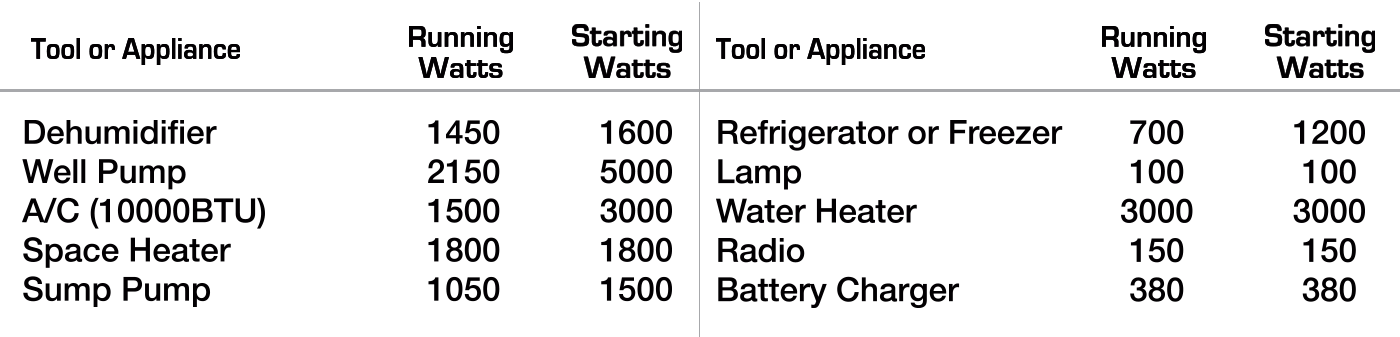
Next, let's level up. What if you want a bit more comfort? Maybe you want to keep the refrigerator running to save your groceries, power a fan or a small heater, or even watch a bit of TV to pass the time. For this, you're looking at a portable power station (often called a "solar generator" if it can recharge via solar panels) or a smaller gas generator. This category gives you significantly more juice and allows you to power a select few larger appliances or several smaller ones. This is your "comfortable endurance" setup, great for typical multi-hour outages.
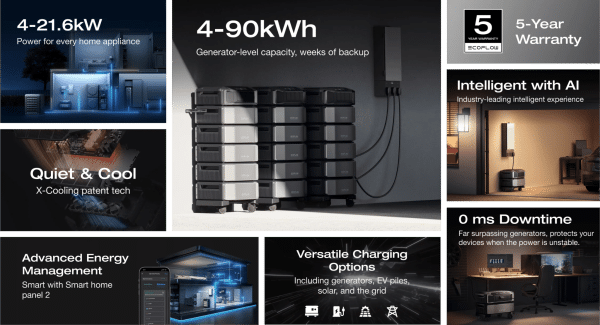
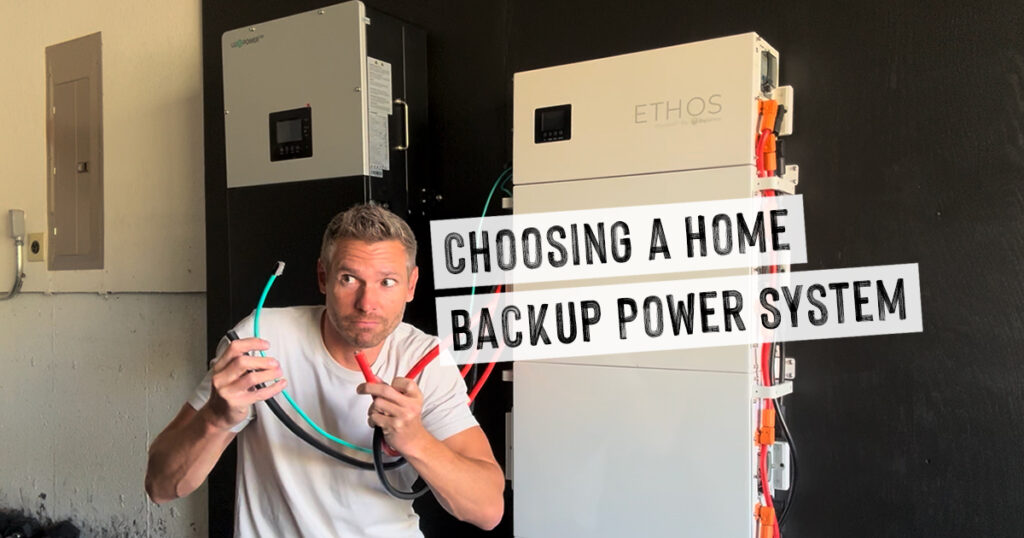
Finally, there's the full-blown fortress mode. Do you want your entire home to operate as if nothing happened? We're talking HVAC, water heater, kitchen appliances, and all your lights. This requires a larger whole-home generator or a sophisticated home battery storage system. This is the ultimate in backup, ensuring minimal disruption no matter how long the grid is down. This is your "outage? what outage?" experience.
To figure out your specific needs, ask yourself these key questions: What absolutely must stay on for safety or medical reasons? What would make you most comfortable? How long do power outages typically last in your area? And, crucially, what's your budget? The key is to prioritize. Make a list of your essential items, find out their wattage (it's usually on a sticker or in the manual), and then choose a backup power solution that can handle that load for your desired duration.
Choosing the right amount of backup power is an investment in your well-being and peace of mind. It transforms you from a helpless victim of an outage into a prepared, empowered master of your domain. So, go ahead, assess your needs, make a plan, and get ready to shine brightly, even when the rest of the world goes dark!