
How Much Are Houses In Texas
Ever found yourself scrolling through Zillow, maybe just for fun, and suddenly thought, "Hold on a minute… what in the world is a house in Texas actually going for these days?" If so, welcome to the club! It’s a question that pops into the minds of everyone from curious dreamers to serious future homeowners. And honestly, it’s a really good one to ponder, even if you’re just in it for the daydreaming.
Texas, bless its big, beautiful heart, is kind of like that friend who’s always inviting everyone over for a BBQ. There’s a lot of space, a lot of opportunity, and a whole lot of delicious brisket. People are flocking here for jobs, for the culture, and yes, often for a shot at a bit more elbow room than they might find elsewhere. This means more folks are looking for a place to call home, which, as you can imagine, keeps the housing market pretty lively, like a two-step competition at a country dance hall.
So, How Much Are We Talking, Really?
Alright, let’s get down to brass tacks. The big secret here is that there’s no single, tidy answer like saying "a gallon of milk costs $3.50." It’s more like asking, "How much does a car cost?" Well, is it a sleek new sports car, or a trusty used pickup truck? Texas housing is just as varied.
Must Read
For a good chunk of Texas, especially in our bustling major cities and their surrounding suburbs, you’re often looking at a median home price that hovers somewhere in the mid-$300,000s to low-$400,000s. Think of it this way: that’s what the "middle-of-the-road" house costs. Half the homes sold for more, and half sold for less. It’s like finding the average price for a nice, solid dinner at your favorite local eatery – not the super fancy place, but definitely not fast food either.
But here’s where it gets interesting, like picking out flavors at a giant ice cream parlor. In places like Austin, which has basically become the cool kid on the block, you might see those median prices jump well into the $500,000s or even higher. Austin's real estate market can feel a bit like trying to catch a greased pig – fast and sometimes a little elusive. Meanwhile, in our other big powerhouses like Dallas and Houston, you’ll find that wide range, with beautiful homes in thriving neighborhoods often landing in the high $300s to mid-$400s.
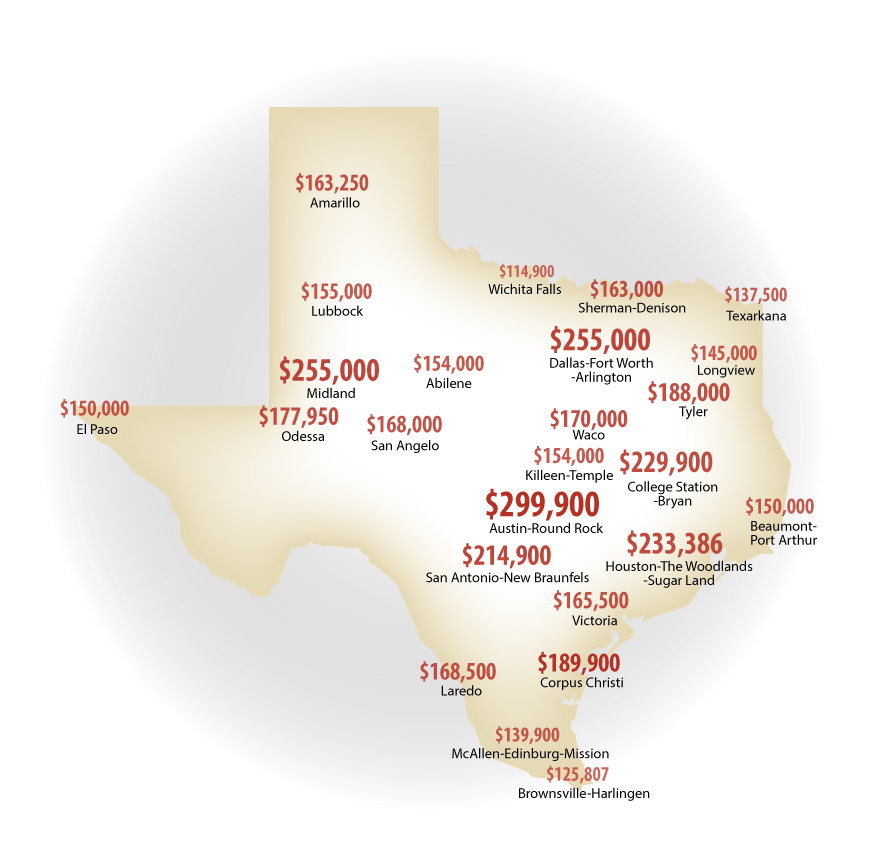
Then, head towards the charming historic streets of San Antonio or the more laid-back vibes of the Rio Grande Valley, and you might find things a little more gentle on the wallet. Or venture out to a smaller, rural town, and you could stumble upon a total gem for significantly less, maybe even in the high $100s or low $200s. It’s all about whether you prefer the city lights or the quiet hum of crickets at night.
What Makes These Prices Do Their Dance?
A few things really get those housing prices moving and shaking:
-
Location, Location, Location: This isn't just a catchy phrase realtors say; it’s the absolute truth. A home next to a top-rated school or a bustling tech hub will naturally command a higher price than one a bit further out. It’s like comparing the price of a hot dog at a ballpark versus one you grill in your backyard.
-
Interest Rates: The "cost of borrowing money" has a huge say in your monthly mortgage payment. When interest rates are low, houses feel more affordable, so more people buy, driving prices up. When rates climb, it can cool things down a bit. Think of it as the volume knob on your car stereo – it changes how loud the song of homeownership sounds.
-
Supply and Demand: This is classic economics, dressed up in cowboy boots. If there are tons of people wanting to buy but not enough houses to go around, prices will naturally climb. It’s like everyone wanting the last slice of pecan pie – someone’s going to pay a premium for it!

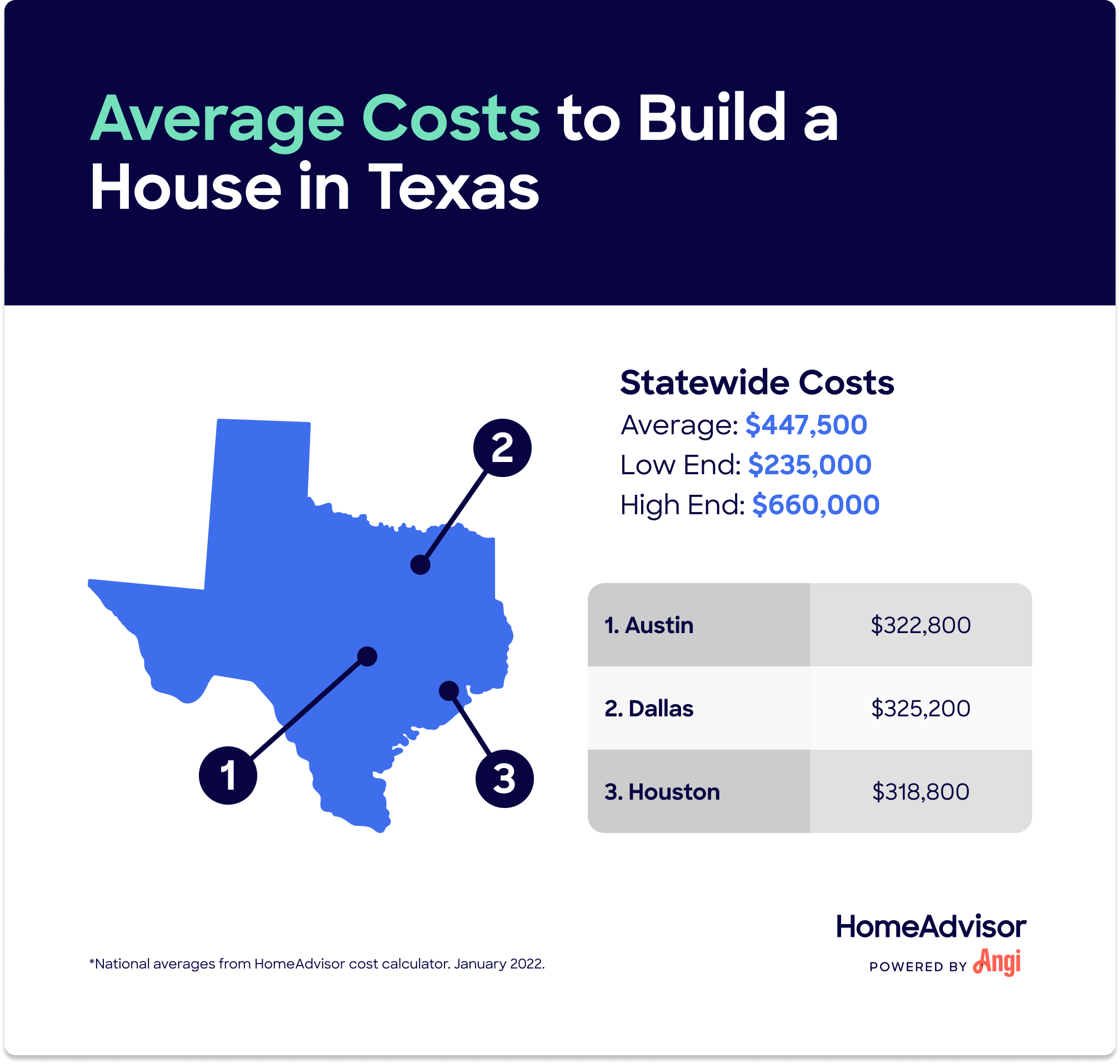
How Much Does It Cost to Build a House in Texas? (2025)
Why Should You Even Care? (Besides the Fun of Daydreaming)
You might be thinking, "I’m not buying a house tomorrow, so why does this matter to me?" And that’s fair! But knowing the pulse of the housing market in Texas is actually pretty neat for a few reasons:
Firstly, it’s smart planning for your future. Even if buying a home is a distant dream, understanding the market helps you set realistic goals. It’s like checking the weather before you plan a picnic – you want to know what to expect!

Secondly, it gives you a sense of your community’s health and growth. Rising home values often signal a thriving area with good jobs and amenities. It’s a little snapshot into how well your town is doing, which is pretty cool if you’re invested in where you live.
And let’s be honest, it’s just plain interesting to know! It's like knowing the score of the big game even if you’re not a huge sports fan. It’s part of the general conversation, especially in a state where real estate is as much a topic of discussion as the latest barbecue joint or football game.
So, whether you’re planning to plant roots, hoping to invest, or simply enjoying a good old scroll-and-dream session, keeping an eye on Texas home prices is a fun, practical, and surprisingly engaging way to stay connected to this wild and wonderful state. Who knows, maybe that dream backyard BBQ isn't so far off after all!