How Many Watts To Run Sump Pump
Ever wonder about the unsung heroes of your home? No, not your coffee maker (though it's up there!). We're talking about the mighty sump pump! This often-hidden guardian works tirelessly to keep your basement dry, especially during those "Noah's Ark" kind of rainstorms. Understanding its power appetite – how many watts it needs – might not sound like a party, but trust us, it's empowering! Knowing this little detail can save you from a soggy disaster, help you plan for power outages, and even make you feel like a home maintenance guru. Let's dive into the fascinating world of sump pump wattage!
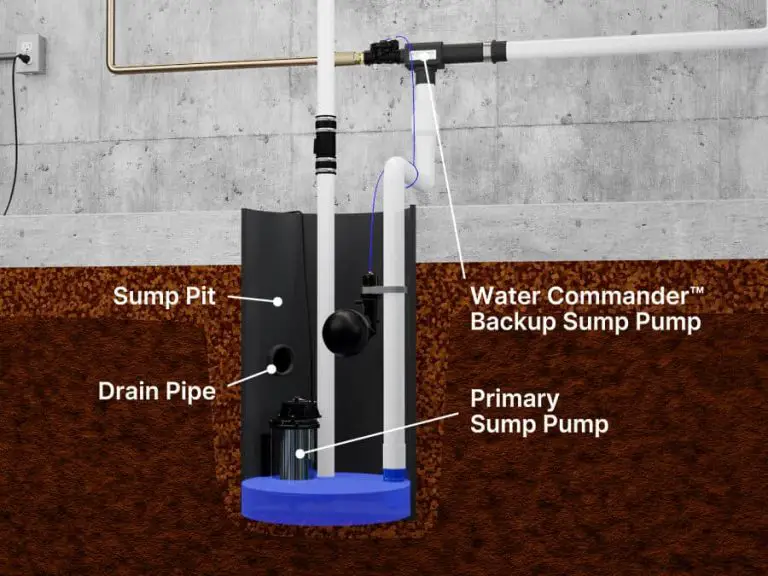
At its core, a sump pump is simply an electric pump installed in the lowest part of your basement or crawl space, often in a "sump pit." When water starts to collect, the pump kicks into action, diverting the water away from your home's foundation. The benefit? A dry basement, protected belongings, and preventing costly water damage and mold growth. It's an essential line of defense, and like any good defender, it needs the right fuel – in this case, electricity measured in watts.
So, why is knowing your sump pump's wattage so crucial? Mainly for backup power planning. If the power goes out during a storm, your trusty sump pump goes silent, and that's when trouble starts brewing. Knowing the wattage allows you to correctly size a battery backup system (UPS) or a portable generator. You don't want to buy a backup system only to find it can't handle your pump when you need it most!
Must Read
When we talk about watts, it's important to distinguish between two key figures: starting watts and running watts. A sump pump, like many electric motors, requires a surge of power to kick into action – that's its starting wattage. Once it's up and running, it settles into a lower, more consistent power draw, which is its running wattage. Your backup power source needs to be able to handle both, with a strong emphasis on the starting wattage.

The wattage a sump pump needs primarily depends on its horsepower (HP). Common sizes include 1/3 HP, 1/2 HP, and 3/4 HP. Here’s a general idea of what to expect:
- A 1/3 HP sump pump might draw around 800-1500 starting watts and 200-400 running watts.
- A 1/2 HP sump pump, a very common size, typically requires 1300-2100 starting watts and 300-500 running watts.
- A 3/4 HP sump pump, for heavier demands, could need 1800-2500 starting watts and 400-600 running watts.
Keep in mind these are averages; actual numbers can vary by brand and model.
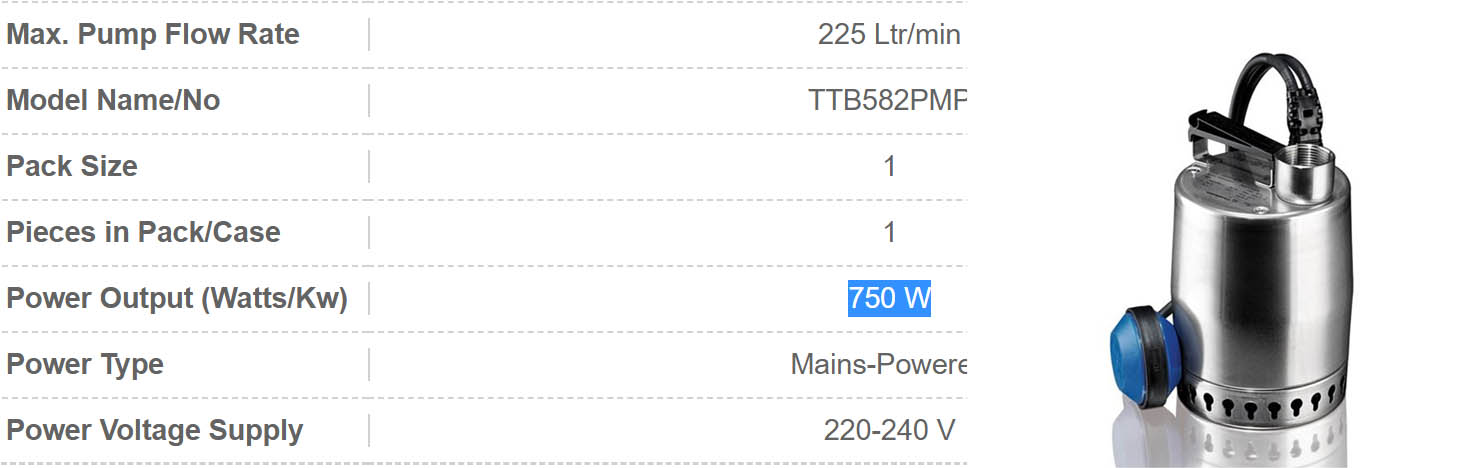
Finding your specific pump's wattage is usually quite simple! The easiest way is to check the pump's label itself. It often lists both amperage (A) and voltage (V), which you can multiply (Watts = Volts x Amps) to get a rough idea of running watts. Even better, many labels or product manuals will directly state the starting and running wattage. If not, a quick online search for your pump's make and model number will usually yield the answer.
So, there you have it! Knowing "how many watts to run a sump pump" isn't just technical jargon; it's a vital piece of information for any homeowner. It gives you the power to be prepared, to protect your sanctuary, and to confidently face whatever the weather throws your way. Stay dry, stay prepared, and empower yourself with knowledge!