How Many Watts To Run Microwave
Ever stood in front of your microwave, patiently waiting for your leftovers to heat up, only to find the edges scalding hot and the middle still stubbornly cold? Or maybe your popcorn always seems to burn before all the kernels pop? If these kitchen mysteries sound familiar, you're not alone! There's a little secret weapon behind these conundrums, and it’s called… watts.
Now, before your eyes glaze over thinking about complicated physics, let's keep it super chill. We're talking about the magic number that dictates just how much oomph your microwave has. Think of it like this: if your microwave were a superhero, its wattage would be its superpower level. Knowing that level can make all the difference between a perfectly melted cheese toastie and a tragic, lukewarm mess.
So, What Exactly Are Watts, Anyway?
Alright, let’s demystify watts without needing a science degree. Imagine your microwave is a tiny car. The watts are essentially its horsepower. A car with more horsepower goes faster, right? Same deal with your microwave. More watts generally means your microwave can cook food faster and more efficiently.
Must Read
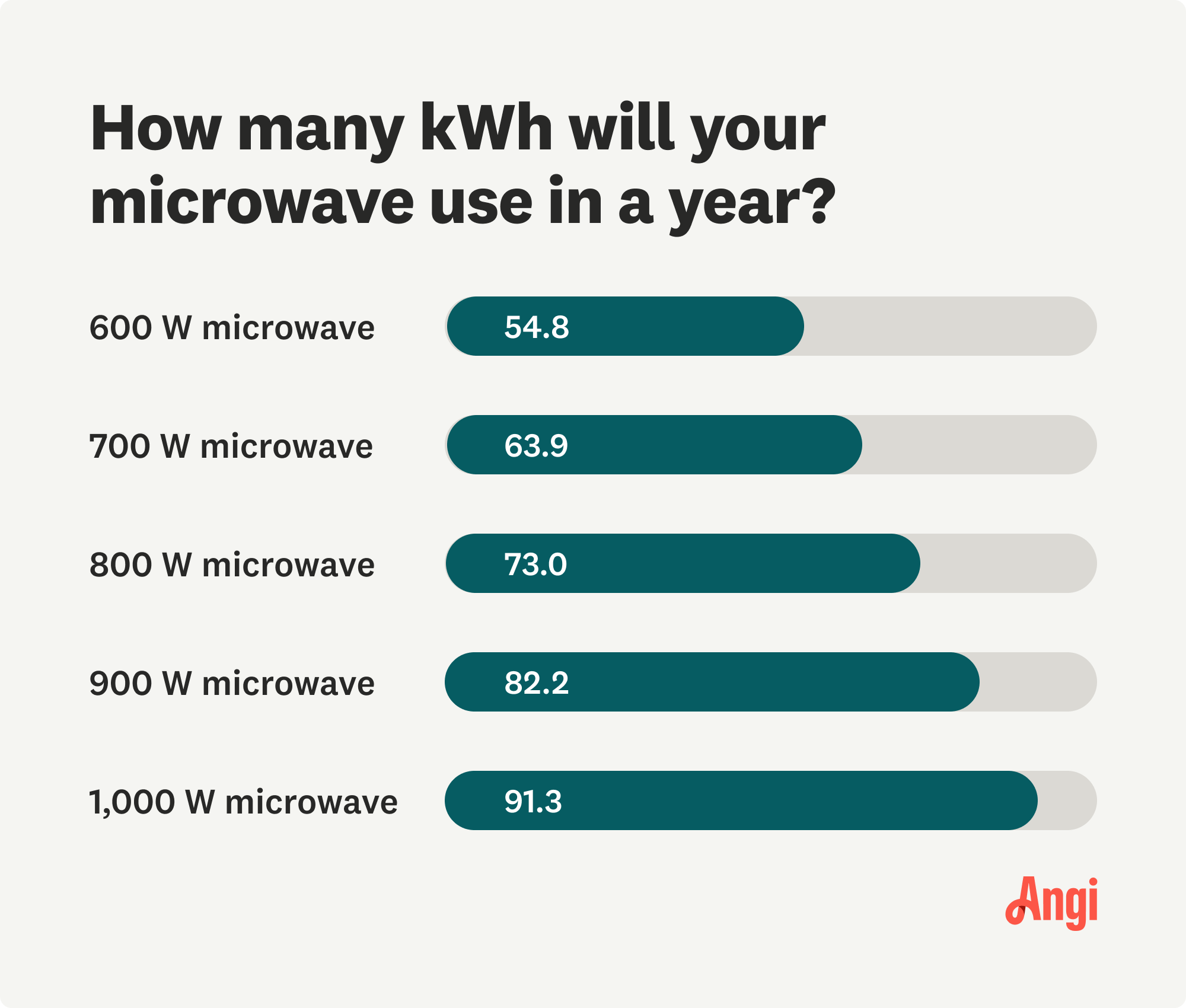
Most home microwaves typically range anywhere from 600 watts all the way up to 1200 watts. That's a pretty big spread! A smaller, more compact microwave for a dorm room might be on the lower end, while a fancy, built-in model in a family kitchen will likely be flexing some serious wattage muscle.
Why Should I Even Care About Microwave Watts? (The Fun Part!)
Okay, here’s where it gets good. Why does this number matter to you, the everyday snack warrior or meal prepper? Well, for a few very practical, and sometimes hilarious, reasons:
1. Speed Demon vs. Slowpoke
Picture this: you're ravenous, like "hangry" is an understatement. You just want that cheesy pasta from last night, and you want it NOW. A higher wattage microwave (say, 1000-1200 watts) is your best friend. It heats food up much faster! Less waiting, more eating. A lower wattage model (600-800 watts) will get there eventually, but it's going to take its sweet time, testing your patience like a turtle in a snail race.
2. The Quest for Even Heating (No More Cold Spots!)
Ever pulled out a microwaved plate of food only to find one side steaming and the other still chilly? Grumble. This is often a wattage issue. Higher wattage microwaves tend to distribute heat more evenly. They blast those microwaves with more power, meaning they can penetrate food better and reduce those frustrating hot and cold spots. It's the difference between a perfectly cooked frozen dinner and one that makes you question your life choices!
3. Recipe Reliance: Cooking Times Are Not Universal!
Here’s a big one! When a recipe says "microwave for 2 minutes," it’s usually assuming a pretty standard 1000-1200 watt microwave. If you have a lower wattage model, sticking to those times will result in undercooked food. You'll need to adjust and add a little extra time. Conversely, if you have a powerful microwave and follow a recipe meant for a weaker one, you might end up with charred edges and a sad, crispy mess. Always start with less time!

4. Popcorn Perfection (or Disaster)
Ah, popcorn. The ultimate microwave litmus test. Too few watts, and you’ll have a bag full of unpopped kernels – a tragic waste of potential. Too many watts, and you risk burning the whole glorious batch, filling your kitchen with that distinct, unpleasant aroma. Knowing your wattage helps you dial in the perfect pop time, leading to maximum fluffy goodness and minimal burnt offerings. It's truly a science!
5. Your Home's Electrical System (A Tiny Nod to Safety)
While not a daily concern, it's good to know that microwaves, especially higher wattage ones, draw a fair bit of power. If you’re running a super powerful microwave along with a toaster and a coffee maker all on the same circuit, you could trip a breaker. Most modern kitchens are designed to handle this, but it’s a tiny reminder that all those amazing appliances are asking your home's electrical system to do some heavy lifting!

How Do I Find My Microwave's Wattage?
Easy peasy! Most of the time, you can find your microwave's wattage right on a sticker on the back or inside the door frame. If not, check the user manual (remember those?). A quick search online with your microwave's model number will also usually bring up the specs in a flash.
The Takeaway: Embrace Your Microwave's Power!
So, there you have it! Understanding your microwave’s wattage isn't just for tech geeks; it's for anyone who wants to cook better, faster, and with fewer culinary catastrophes. It’s about becoming a more informed kitchen wizard, able to troubleshoot why your leftovers are still chilly or why your instant oatmeal is overflowing.
Next time you're zapping something, give a little nod to those watts doing all the hard work. They’re the unsung heroes of quick meals and midnight snacks. Happy microwaving!