How Many Watts To Charge A Phone
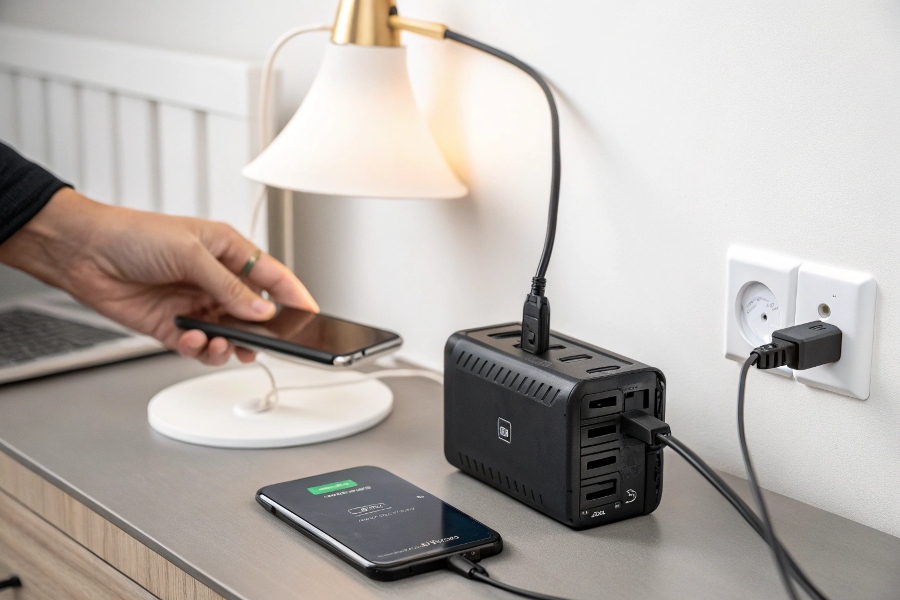
Ah, the humble phone charger. It might not be the most glamorous gadget you own, but admit it, there's a certain quiet satisfaction that washes over you when you plug in your trusty smartphone and see that charging indicator light up. It’s like giving your digital companion a much-needed nap, or perhaps, a full-blown energy drink! We all love the feeling of a fully charged phone, ready to tackle whatever the day throws at us, from endless scrolling to important calls.
In our hyper-connected world, a charged phone isn't just a convenience; it's the lifeline that keeps everything flowing. Think about it: it’s your GPS guiding you home, your emergency contact line, your personal entertainment system on a long commute, your mobile office, and your window to family and friends spread across the globe. Without that precious battery juice, we're suddenly disconnected, navigating unfamiliar streets with a paper map (gasp!), or enduring silence on public transport. Charging your phone is, quite simply, how we stay connected, informed, entertained, and productive in everyday life.
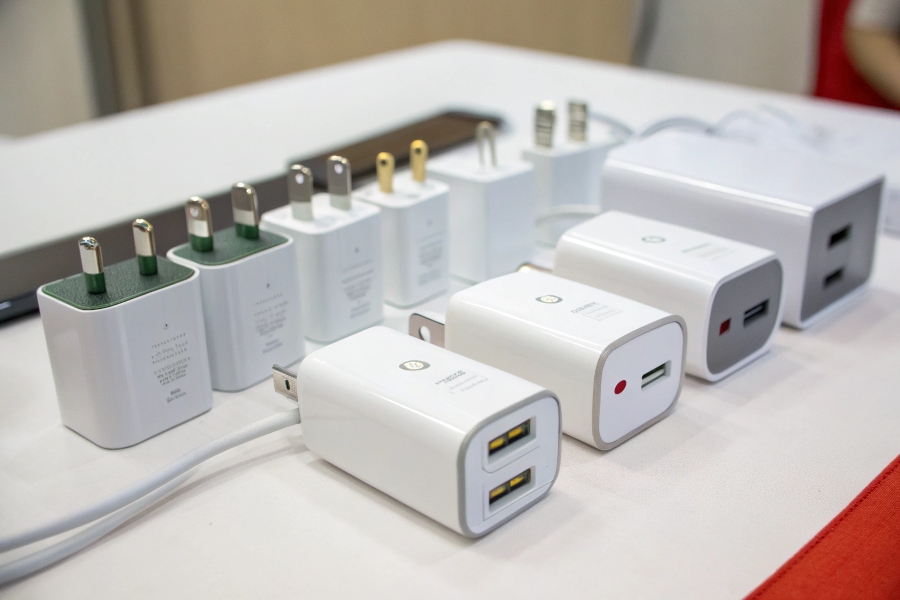
The ways we charge our phones have evolved dramatically. Gone are the days of proprietary, slow chargers that took an eternity. Now, we've got a dazzling array of options! There are the classic wall chargers, ranging from standard speeds to blistering fast chargers. Then there's the sleek simplicity of wireless charging pads, where you just plonk your phone down and let the magic happen. For those on the move, portable power banks are a godsend, while car chargers keep you juiced up on road trips. Even your laptop's USB port can lend a hand, albeit usually at a slower pace. The common thread? All these methods are delivering power, and the rate at which they do it is measured in watts.
Must Read
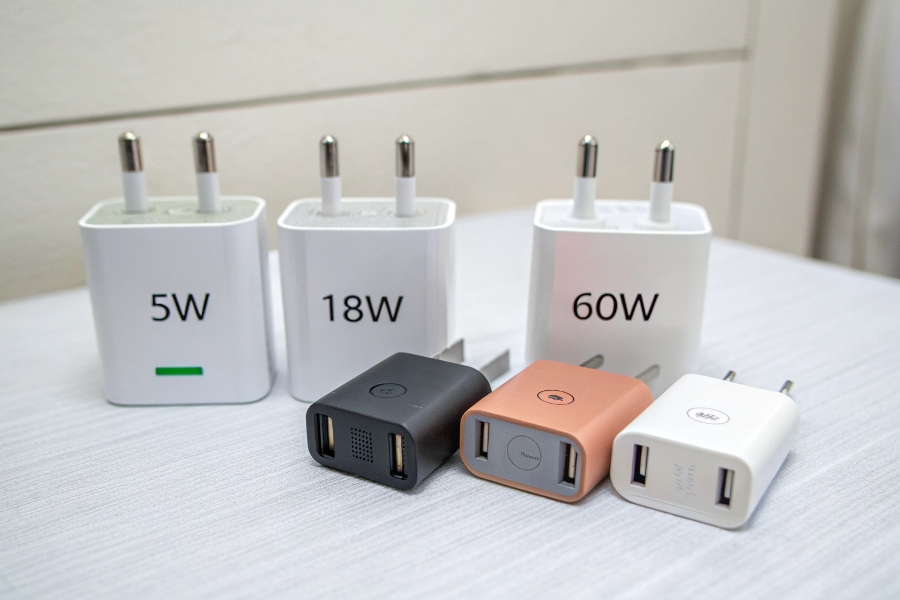
So, how many watts does it actually take? This is where the "enjoy it more effectively" part comes in! For most modern smartphones, you're looking at chargers ranging from a basic 5W (watts) up to a speedy 120W or even more for some flagship devices. A standard, older charger might push out 5W or 10W. But if you want to experience the true joy of fast charging, you’ll be looking for chargers in the 18W, 20W, 25W, 30W, or even higher range. The key practical tip is to check your phone's maximum charging capability. Most phones will only draw the power they can safely handle, so using a 60W charger on a phone that maxes out at 20W won't damage it – it’ll just charge at 20W. However, using a 20W charger on a phone that can handle 45W means you're missing out on speed!
To enjoy charging more, first, look at the small print on your charger. It will usually state the wattage (e.g., "Output: 9V-2A" which means 18W, or "Output: 5V-3A/9V-2.77A" for 25W). Second, if your phone supports it, invest in a higher-wattage charger from a reputable brand (often the phone's manufacturer or a certified third-party). This will dramatically reduce the time your phone spends tethered to an outlet. Third, remember that battery health is generally good with modern devices; you don't always need to drain to zero or charge to 100%. Finally, always use original or certified charging cables, as they are crucial for both safety and efficient power delivery. Understanding watts empowers you to choose the right tools to keep your phone charged, making those moments of plugging in less of a chore and more of a quick pit stop before diving back into your digital world!