How Many Watts Per Hour Does A Refrigerator Use
Okay, let's talk refrigerators. We all have one, right? It's that humming, slightly grumpy-sounding box in the corner of your kitchen that's constantly judging your food choices. And, like a perpetually hungry roommate, it's also constantly using electricity. But just how much electricity are we talking? Let's break down the wattage of your fridge, shall we?
Watts Up, Doc? (and Your Fridge)
Instead of launching into a technical dissertation that would make your eyes glaze over faster than a donut left in the sun, let's get real. Think of your fridge like a slightly overweight squirrel hoarding nuts for the winter. It needs a certain amount of "energy nuts" (aka watts) to keep everything cool and those pickles properly preserved.
Now, the wattage a fridge uses per hour varies quite a bit. It depends on a bunch of factors, like:
Must Read
- The age of the fridge: Older models are like vintage cars – cool looking, but fuel inefficient. They guzzle energy like it's going out of style.
- The size of the fridge: A massive side-by-side is going to use more power than a tiny apartment-sized one. Duh, right? It's like comparing a monster truck to a scooter.
- How often you open the door: Each time you peek inside, searching for that elusive snack, warm air rushes in. The fridge then has to work harder to cool things down. Think of it like letting all the heat escape when you open the oven door.
- How full it is: Surprisingly, a fuller fridge is more efficient! All that food acts like insulation, helping to maintain a consistent temperature. An empty fridge is like an echo chamber of energy waste.
- The temperature setting: The colder you set it, the more energy it uses. Seems obvious, but it's worth mentioning. Are you really trying to freeze solid that poor head of lettuce?
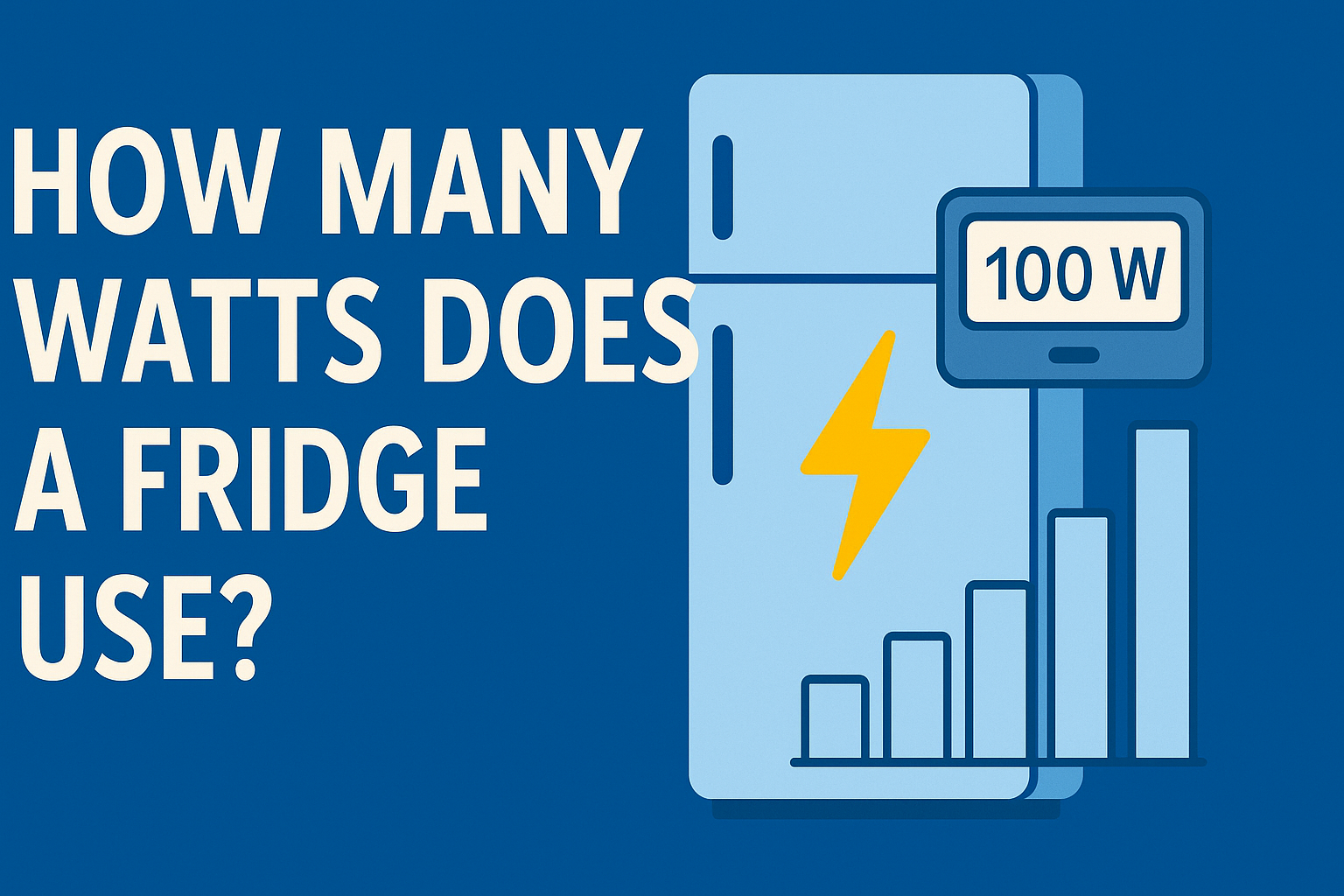
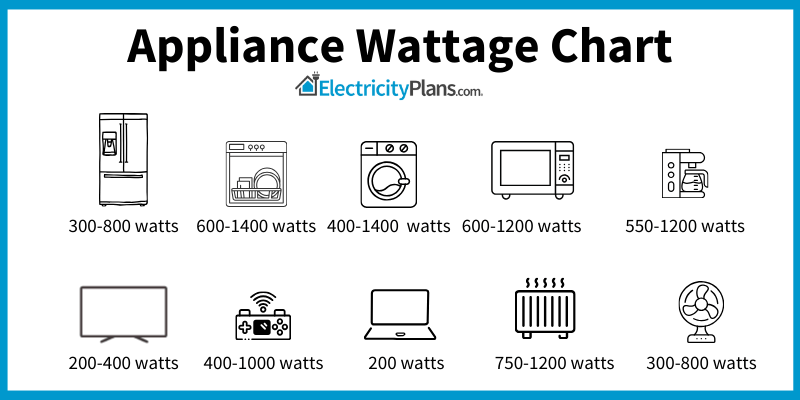
So, what's the actual number? On average, a modern refrigerator uses around 100 to 400 watts. That means it could use anywhere from 0.1 to 0.4 kilowatt-hours (kWh) per hour. Okay, that's a bunch of jargon. Let's put it in perspective.
Real-Life Refrigerator Ramifications
Imagine you have a 150-watt light bulb. Your fridge, on average, might use roughly the equivalent of keeping one to three of those bulbs constantly lit. Sounds like a lot? Maybe. But remember, your fridge is working 24/7 to keep your food safe and your drinks cold.
Let's say your fridge uses 200 watts per hour. Over a whole day, that's 4800 watt-hours, or 4.8 kWh. To figure out how much that's costing you, check your electricity bill for the price per kWh. Let's pretend it's $0.15 per kWh. That means your fridge is costing you about $0.72 per day. Or roughly $21.60 a month.
Important Note: This is a very rough estimate. Use a Kill A Watt meter if you want to see the real usage of your refrigerator. You just plug it in between the outlet and the fridge.
Tips to Tame the Thirsty Fridge
Want to keep your fridge from draining your bank account like a vampire squid? Here are a few simple tips:
- Keep the coils clean: Those dusty coils on the back make your fridge work harder. Give them a good vacuuming every six months.
- Don't leave the door open: Pretend you're a ninja. Get in, grab what you need, and get out. No dilly-dallying.
- Check the door seal: A leaky seal lets cold air escape. If the seal is cracked or damaged, replace it.
- Consider an upgrade: If your fridge is older than your teenage child, it might be time for a more energy-efficient model. The initial cost might be higher, but you'll save money in the long run.
So there you have it. The secret life of your refrigerator's energy consumption, revealed! Now you can go forth and conquer your kitchen, armed with the knowledge to keep your food cold and your electricity bill a little bit lower. And remember, a well-maintained fridge is a happy fridge (and a happy you!). Happy refrigerating!