How Many Watts Is A Water Heater

Alright, let's talk about the unsung hero, or perhaps the unsung energy-guzzling monster, lurking in your basement or utility closet. We're talking about your water heater. And the big question that keeps us up at night, right after "Did I leave the stove on?" and "Why is my internet so slow?": How many watts is a water heater?
Now, if you're like me, your eyes might glaze over a little at the word "watts." It sounds terribly technical, like something an actual engineer might care about. For the rest of us, who just want a nice, hot shower without our bank account crying, it feels a bit… esoteric. Like asking the exact thread count of a cloud. It’s important, sure, but do I need to know the precise number?
Here’s my perhaps "unpopular" opinion: For most of us, when we ask how many watts a water heater is, what we really mean is: "Why is my electricity bill so high?" or "Is this thing eating more power than a small city?" We're not looking for a precise number to engrave on a plaque. We're feeling the pinch, or perhaps just the immense warmth of that hot water and wondering what kind of energy beast makes it all happen.
Must Read
Let's be honest: your water heater is a bit of a heavyweight champion in your home's energy consumption ring.
Think of it this way. You’ve got gadgets. Your phone charger? A tiny little sip of electricity. Your toaster? A quick gulp. Your washing machine? A steady drink. But your water heater? Oh, that’s like a marathon runner chugging a gallon of water at every aid station. It demands a serious amount of power to heat up all that liquid goodness.
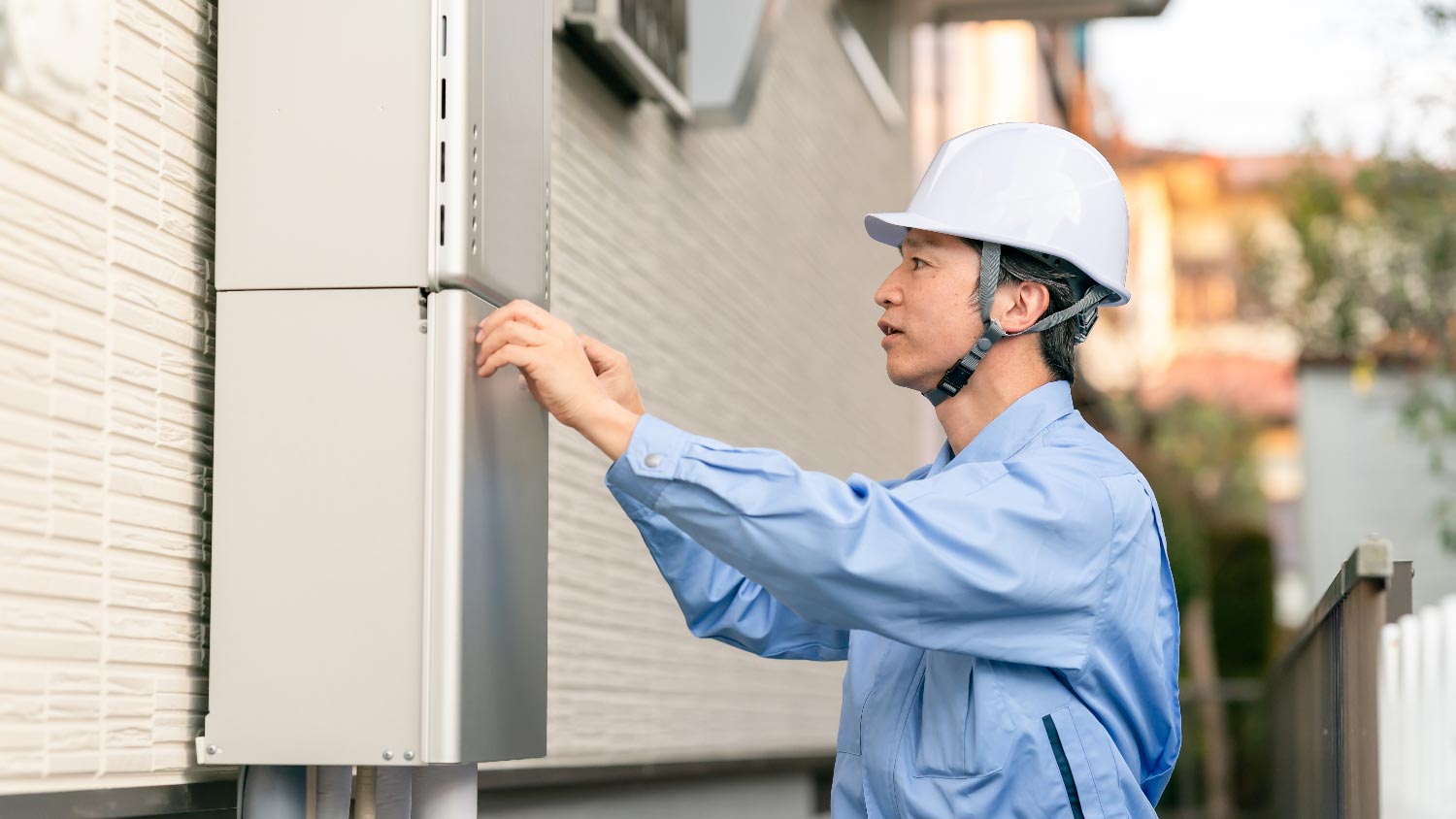
So, to finally circle back (playfully, of course!) to the actual number: it's not one size fits all. It’s like asking, "How many horsepower does a car have?" Well, a zippy little compact car is different from a monstrous truck. Same goes for your trusty hot water provider. An electric tank water heater in a typical home often uses anywhere from 3,500 to 5,500 watts. That's a significant chunk! Imagine running five powerful hairdryers at once. Yeah, that kind of power.
And then you have its cousin, the tankless water heater, which only heats water on demand. These guys can be even more demanding in short bursts, sometimes hitting 10,000 to 27,000 watts! But remember, they don't run all the time. They're like sprinters – huge bursts of energy, then a break. The traditional tank heater is more of a steady jogger, keeping that water warm all day, every day, just in case you suddenly decide you need a hot bath at 3 AM.

But again, who’s counting the exact watts when you’re luxuriating under a stream of perfectly warm water? You're not thinking, "Ah, yes, precisely 4,500 watts are creating this bliss!" You're thinking, "This feels amazing!" And then, maybe later, "Oh dear, the electric bill arrived."
The Big Energy Eater in Your Home
Your water heater is usually one of the top three energy users in your home, right up there with your heating and cooling system. It’s not shy. It’s not subtle. It’s a workhorse that consistently heats water, often cycling on and off throughout the day to maintain a set temperature, even when you're not using it. That’s why those watts add up. That continuous effort to keep water toasty is where the magic (and the cost) happens.
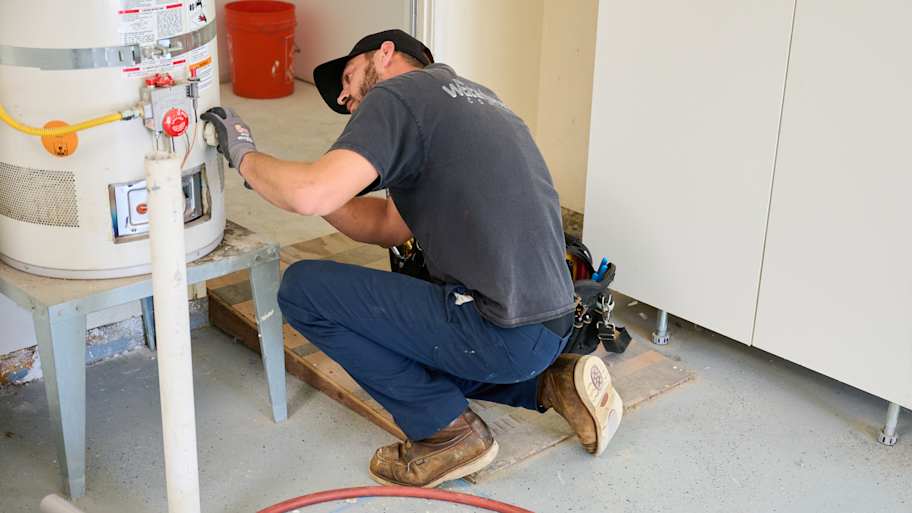
So, while knowing the precise wattage might be satisfying for some, for the rest of us, it’s enough to know that it's a substantial figure. It’s not just a little lamp. It’s a serious appliance with serious energy needs. It’s the bouncer at the club of your home's electricity, letting a lot of power in through its doors.
Instead of memorizing the watts, perhaps it’s more helpful to acknowledge its power and treat it with respect (and maybe a little bit of fear for your wallet).
The next time you enjoy a hot shower, or even just wash your hands in warm water, take a moment. Appreciate that powerful appliance. Don’t get bogged down in the exact wattage number. Just remember it's a big one. It's the reason you're not shivering. It's also the reason you might occasionally gasp at your utility statement. It's a trade-off, isn't it? Warm water for warm feelings (and a slightly thinner wallet). And for most of us, that’s a trade we’re willing to make, watts or no watts.