How Many Watts Is A Led Light
Remember the good old days of wrestling with those classic pear-shaped incandescent light bulbs that warmed not just your room, but also your wallet? You knew exactly what you were getting: a 60-watt bulb for your bedside lamp, a 100-watt for the living room. It was simple. But then, like a superhero swooping in with a much smaller cape, came the LEDs.
And suddenly, all our neatly organized ideas about light and power went a little topsy-turvy. You pick up an LED light bulb and it says… 9 watts? For something that promises to be as bright as your old 60-watt friend? Is this some kind of wizardry? Are we living in a different dimension where less is actually, delightfully, more?
The Tiny Powerhouses of Light
The short, incredibly satisfying answer is: yes, it’s a different dimension of efficiency! When we talk about how many watts an LED light is, we're really talking about how much electricity it consumes. With those traditional bulbs, the wattage was a pretty direct indicator of how much energy it sucked down and, in turn, how bright it would be (most of that energy, sadly, turning into heat, not light).
Must Read
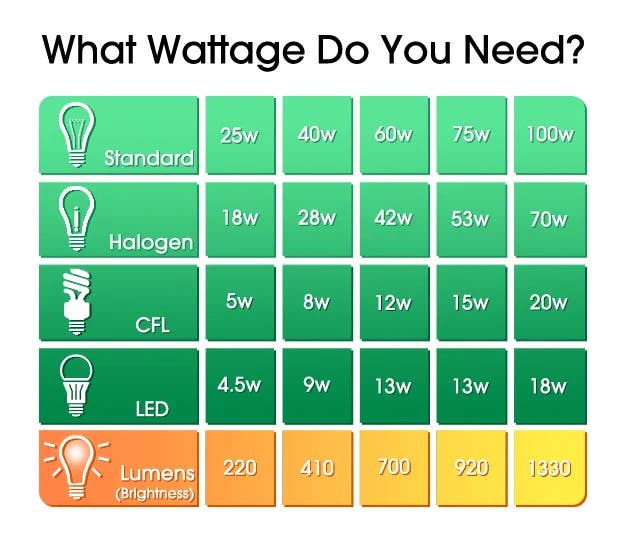
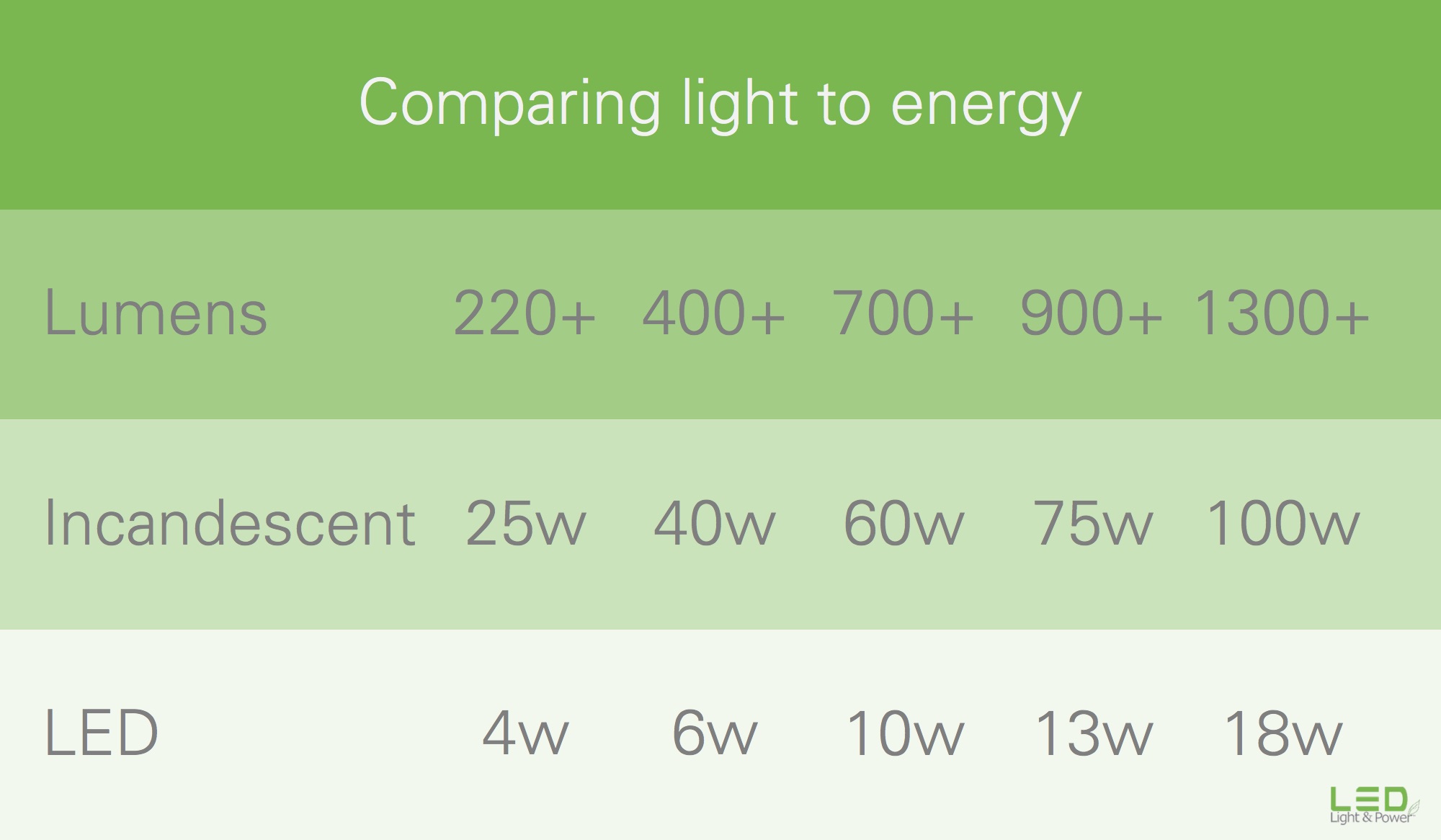
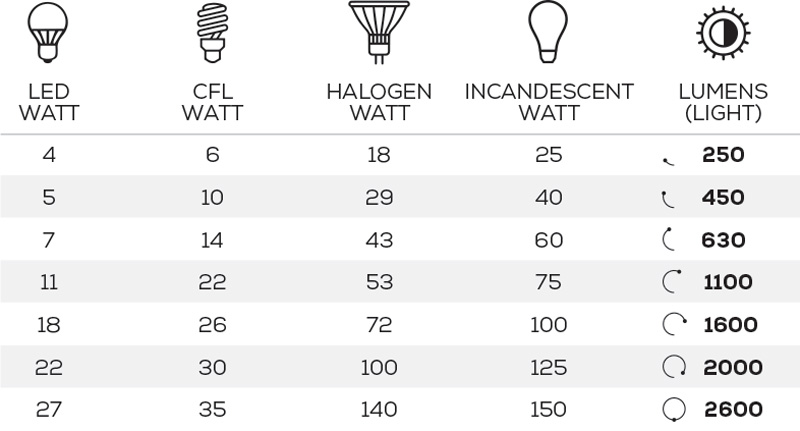
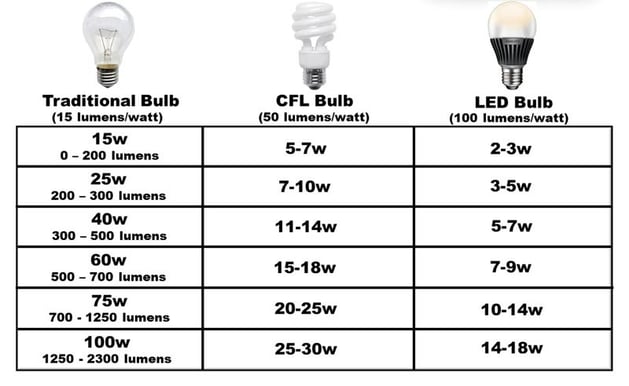
But LEDs are the tiny titans of illumination. They're like that surprisingly strong friend who looks like they could be knocked over by a gentle breeze but can actually lift a car. A typical LED light bulb designed to replace a 60-watt incandescent might only be 8 to 12 watts. Want something super bright, like an old 100-watt bulb? You’re likely looking at an LED in the range of 13 to 20 watts. It’s a jaw-dropping difference!
"It’s like comparing a marathon runner who eats a five-course meal before every race to one who sips a smoothie and still wins by miles. LEDs are the smoothie-sipping champions of the light world!"
This dramatic reduction in watts means a couple of truly wonderful things for us. First, it’s a joyous serenade to your electricity bill. Those numbers at the end of the month? They get a little lighter, a little friendlier. Imagine all the extra coffee you can buy! Or, perhaps, contribute to that dream vacation fund. It’s not just about the pennies saved per bulb; it’s the collective hum of all your household lights quietly sipping power.
The Bright Side: What You Really Need to Know (It's Not Watts!)
So, if watts are no longer the trusty guide for brightness, what is? Enter the hero of the hour: lumens. When you pick up an LED bulb, forget the wattage for a moment and look for the lumens number. Lumens tell you the actual brightness of the light. Want that old 60-watt glow? Look for an LED that's around 800 lumens. Need something brighter, like a 100-watt equivalent? Aim for 1600 lumens or so.
This shift from watts to lumens is a beautiful liberation. It means you're buying light, pure and simple, not energy consumption – like buying a car based on how fast it goes, not how much fuel it drinks.
Beyond the delightful financial savings, there's a heartwarming aspect to this low-wattage revolution. These little power-sippers last an incredibly long time. Think about it: fewer trips to the store, less waste in landfills, and fewer times you have to climb on a wobbly chair to change a ceiling light. It’s a quieter, calmer existence, brought to you by these tiny marvels of engineering.
So the next time you marvel at your brilliantly lit living room, powered by a mere handful of LED watts, give a little nod to these unsung heroes. They're quietly doing their mighty work, saving you money, lighting your life efficiently, and making the world a slightly brighter, less power-hungry place. Who knew a question about "how many watts" could lead to such a heartwarming tale of efficiency and innovation?