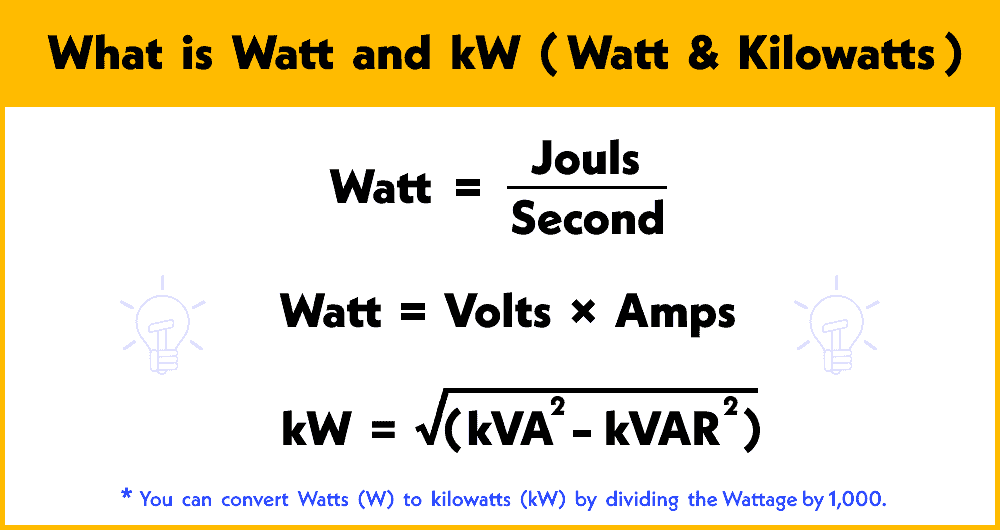
How Many Watts Is A Kilowatt

Ever found yourself staring blankly at an appliance label or an electricity bill, wondering what on earth "watts" and "kilowatts" actually mean? You're not alone! For many, these terms conjure images of complex science experiments rather than practical everyday knowledge. But here's the fun part: understanding watts and kilowatts is like unlocking a secret level in the game of household efficiency and financial savvy. It's a simple, powerful bit of knowledge that can help you save money, make smarter choices, and even feel a little more in control of your energy footprint.
The beauty of grasping this concept lies in its immediate benefits. Knowing how much power your gadgets consume isn't just trivia; it's a superpower! It allows you to identify the energy hogs in your home, make informed decisions when buying new appliances, and truly understand that often perplexing electricity bill. Think of it as gaining fluency in the language of energy. You can then translate that into real-world savings and a greener lifestyle, which frankly, feels pretty good.
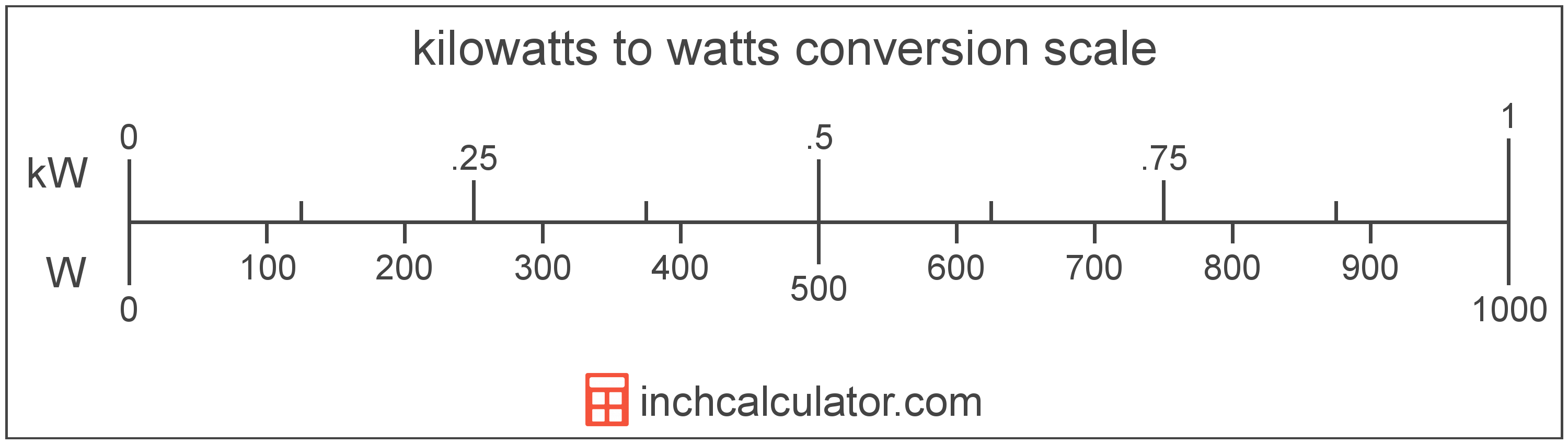
So, let's get to the heart of the matter, the big reveal: how many watts is a kilowatt? Drumroll, please... a kilowatt is precisely 1,000 watts! It's really that straightforward. Just like a kilogram is 1,000 grams, or a kilometer is 1,000 meters, the "kilo" prefix simply means a thousand. So, if you see an appliance rated at 1,500 watts, that's 1.5 kilowatts. Easy, right?
Must Read
This conversion comes in handy everywhere. For instance, your trusty microwave might gobble up around 1,000-1,200 watts (or 1 to 1.2 kilowatts) when it's zapping your leftovers. A modern LED light bulb, on the other hand, might only use a tiny 7-10 watts. See the difference? Your electricity provider charges you based on kilowatt-hours (kWh), which is simply how many kilowatts you use over one hour. So, if you run that 1-kilowatt microwave for one hour, you've used 1 kWh. Run it for 30 minutes, and it's 0.5 kWh.
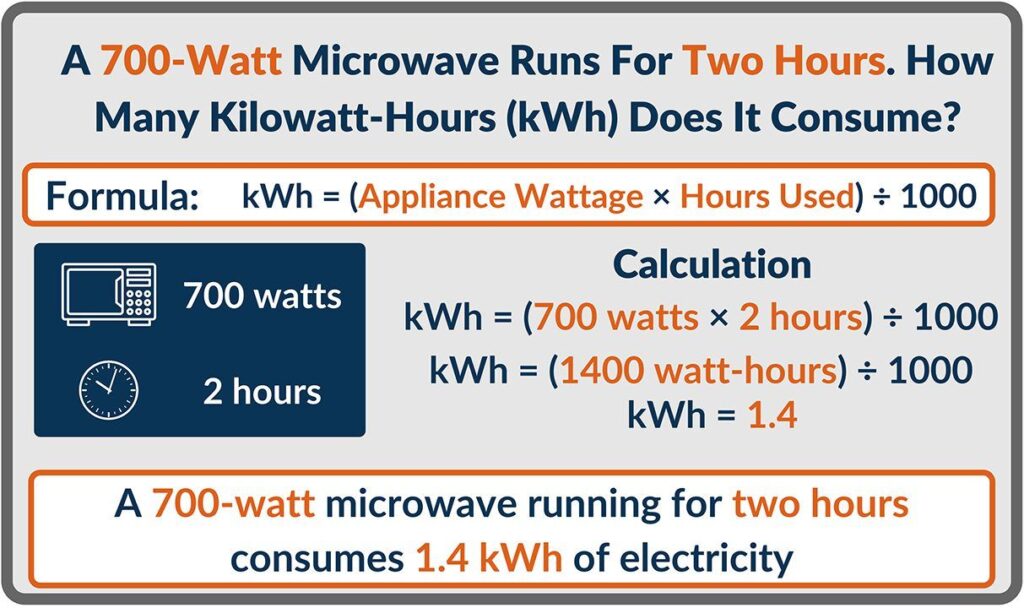
This knowledge extends beyond kitchen gadgets. Thinking about installing solar panels? Their output is typically measured in kilowatts (kW). Charging an electric vehicle? The speed is often quoted in kilowatts. Even something as simple as choosing between a power-hungry gaming PC and a more efficient laptop can be guided by understanding their respective wattage ratings. It’s all about getting a clearer picture of your energy consumption.
Ready for some practical tips to enjoy this newfound understanding more effectively? First, make it a habit to check the wattage on your appliances. Most will have a label somewhere (often on the back or bottom) indicating their power consumption. Secondly, take a peek at your electricity bill and locate the "kWh" usage. This number is your direct link to how much energy you're actually consuming. Finally, armed with this information, you can start making smart choices: unplug devices when not in use (phantom load!), upgrade old incandescent bulbs to energy-efficient LEDs, and consider using high-wattage appliances sparingly or during off-peak hours if your utility offers variable rates. Understanding that 1 kilowatt equals 1,000 watts isn't just academic; it's your first step towards becoming an energy wizard, saving money, and making a positive impact, one informed decision at a time!
.png)