
How Many Watts Is A Cpap Machine

Hey there, fellow sleep adventurer! Ever found yourself staring at your awesome CPAP machine, maybe contemplating a camping trip, or just wondering about that electricity bill, and a little question pops into your head? Like, "How much juice does this thing actually pull?" You're not alone, my friend. It’s a super common thought, especially when you're thinking about battery backups, RV trips, or even just being a good eco-conscious citizen. So, let’s grab a virtual coffee and chat about it, shall we?
The Big Question: So, How Many Watts Are We Talking?
Alright, let’s get straight to the good stuff. The short, friendly answer is: probably less than you think! Many people imagine CPAPs are these monstrous power-guzzling beasts, but honestly, they’re usually pretty well-behaved on the energy front. Think of them more like a polite houseguest than a party animal hogging all the outlets.
Typically, a standard CPAP machine (without all the bells and whistles running full tilt) might draw anywhere from 30 to 60 watts. To put that in perspective, that’s often less than an old-school incandescent light bulb! Pretty chill, right?
Must Read
Why Does This Even Matter, Anyway?
Good question! Because sometimes, knowing your watts is super important.
- Thinking about travel? Airplanes often have specific power limits, and knowing your CPAP's draw is key.
- Planning an epic RV adventure or camping trip? You’ll want to know how long your battery bank can keep you snoozing.
- Worried about those pesky power outages? Understanding wattage helps you pick the right backup battery.
- Or maybe you’re just curious about your electricity bill. (Spoiler: it’s likely not a major contributor, but every watt counts, right?)
The Power Players: What Really Drains the Juice?
So, why the range? Why isn't there just one magic number? Well, your CPAP isn't just a simple on-off switch. It’s got features, and those features love electricity. Think of it like your phone: just browsing doesn't use as much battery as streaming a 4K movie.
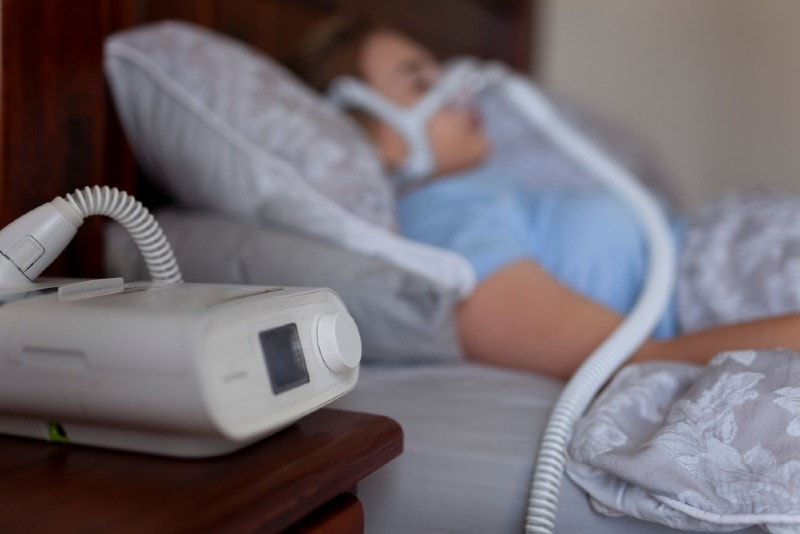
The biggest energy guzzlers on a CPAP machine are almost always anything that generates heat. This is where the wattage can really jump!
- The core machine itself (the motor, the screen, the pressure delivery) uses a fairly consistent amount. It's the baseline.
- The heated humidifier: This is the big one! Heating water to moisturize the air you breathe takes a significant amount of power. We’re talking an extra 30 to 70 watts, easily. It’s like boiling a tiny kettle all night.
- The heated tube: If you have one of these bad boys (which keeps the air warm from the machine to your mask), it’s another power draw, often adding another 10-20 watts.
- Your pressure settings: Higher pressure can mean the motor works a little harder, using a fraction more power, but it’s usually not as dramatic as the heated elements.
So, if you’re running your humidifier and heated tube on high, your CPAP could easily be pulling 60 to 100 watts, and sometimes even a bit more on peak demand.
Putting It in Perspective: CPAP vs. Your Other Gadgets
Let’s compare your CPAP to some other things around your house to really get a feel for it.
- An old 60-watt incandescent light bulb: Your CPAP without heat is often in this ballpark.
- A modern LED light bulb: Maybe 8-15 watts. Your CPAP is more than this, but still tame.
- Your laptop charger: Often 45-90 watts. See? Not so scary now, is it?
- A blow dryer: Brace yourself – these are often 1200-1800 watts! A total power monster compared to your gentle CPAP.
- A microwave: Easily 600-1500 watts.
So, your CPAP machine is definitely not in the league of your heavy-duty kitchen appliances. Phew!
:max_bytes(150000):strip_icc()/Health-Bullets-CPAP-Masks-purple-vert-2-07e215f255654994ad5c499d3ec8051e.jpg)
Planning for Adventure (or a Blackout): What You Need to Know
If you're planning to go off-grid or need a battery backup, you'll need to do a tiny bit of math. Batteries are usually rated in Amp-hours (Ah) or more usefully for CPAP, Watt-hours (Wh). Your machine's wattage (let's say 50W average) multiplied by the number of hours you sleep will give you total Watt-hours needed. Then, find a battery with enough Wh!
Example: A 50W CPAP x 8 hours of sleep = 400 Wh needed. So, you'd look for a battery pack with at least 400Wh (and ideally more, for efficiency losses).

Always check the label on your specific machine! It will usually have a sticker on the bottom or back stating its input power (e.g., "100-240V ~ 50/60Hz, 1.0-2.0A"). To get a rough wattage, you can multiply the max amps by 120 (for standard US voltage) if the wattage isn't directly listed. But honestly, for most machines, a quick online search for your model will give you the average wattage.
Squeezing More Life Out: Power-Saving Tips
Need to conserve power? Maybe you're on a remote camping trip, or just trying to stretch that battery backup as long as possible. Here’s the trick:
- Turn off the humidifier! This is hands down the biggest power saver. If you can tolerate drier air for a night or two, you’ll drastically extend your battery life.
- Ditch the heated tube! Same logic as the humidifier. Cooler air, but much less power.
- Lower settings: If you must use the humidifier/heated tube, set them to the lowest effective temperature.
- Use a DC converter: If you're powering from a 12V battery (like in a car or RV), using a DC-to-DC converter for your CPAP is much more efficient than using an inverter that converts 12V DC to 120V AC and then back to DC for your CPAP. Less energy lost in conversions!
So, there you have it! Your CPAP machine isn't the power hog you might have imagined. It's a pretty efficient little device, especially when you're mindful of those heated features. Now you can get back to dreaming (and breathing easily!) without worrying so much about its electrical appetite. Sweet dreams, my friend!