How Many Watts In One Kwh

Ever gazed at your electricity bill, feeling like you’re deciphering ancient hieroglyphs? Or perhaps you've stumbled upon terms like "watts" and "kilowatt-hours" and wondered if they were just secret codes for electrical engineers? Well, prepare to unlock a fascinating little secret that, while not a vibrant painting or a catchy tune, holds immense practical and even creative value for anyone keen on understanding the world around them. We're talking about the intriguing relationship found in the question: How Many Watts In One Kwh.
This isn't just dry science; it's the fundamental language of energy consumption that powers our lives! Understanding it offers incredible benefits for everyone, from the casual learner seeking financial wisdom to the most dedicated hobbyist. For the everyday individual, it’s about gaining control and becoming an informed consumer. For the DIY enthusiast, it’s about designing efficient systems and understanding the true cost of their creations. While it might not seem like "art" in the traditional sense, mastering this concept allows for the "art" of smart living, strategic planning, and sustainable choices.
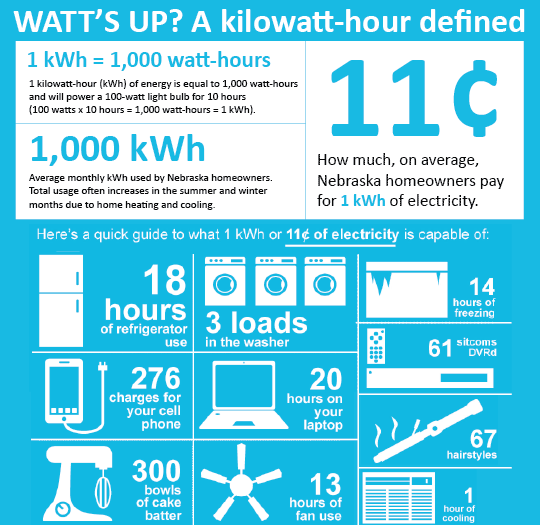
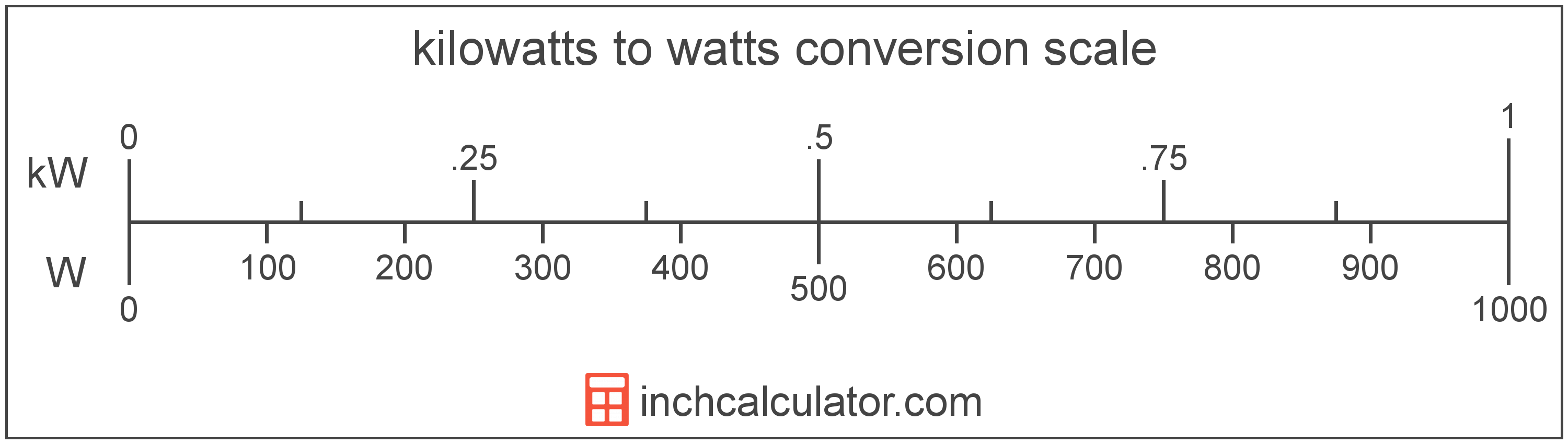
So, let's demystify it. A watt (W) is a unit of power – it tells you how much electricity an appliance uses at any given moment. Think of it as the speed at which your car is consuming fuel. A kilowatt-hour (kWh), on the other hand, is a unit of energy – it measures how much electricity has been consumed over a period. This is like the total distance your car has travelled on that fuel. So, to answer the initial riddle directly: one kWh is not a fixed number of watts. Instead, it's the energy consumed by 1000 watts (which is 1 kilowatt) operating for 1 hour. Or, conversely, 500 watts operating for 2 hours, or 2000 watts operating for half an hour! It's all about power over time.
Must Read
Let's look at some practical examples to cement this understanding. Imagine your trusty old incandescent light bulb using 100 watts. If you leave it on for 10 hours, it will have consumed 100 watts * 10 hours = 1000 watt-hours, which equals 1 kWh. Or consider a powerful microwave oven that draws 1500 watts. If you run it for just 20 minutes (which is 1/3 of an hour), it uses 1500 W * (1/3 h) = 500 Wh, or 0.5 kWh. This understanding empowers you to compare appliances, grasp your electricity bill, and even make decisions about renewable energy sources like solar panels!
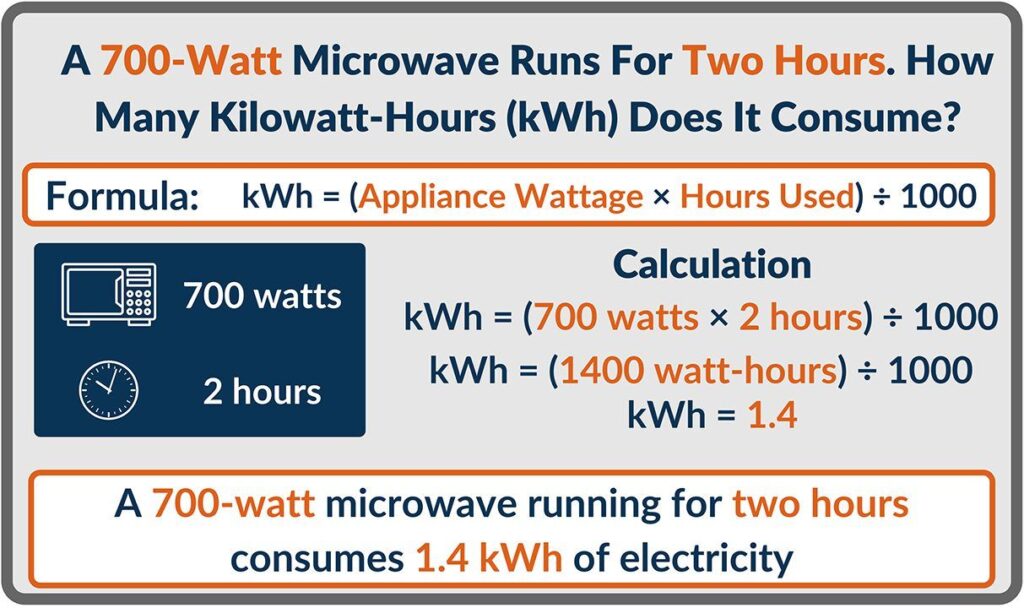
Ready to try it at home? It’s wonderfully simple! First, grab a magnifying glass and start looking at the labels on your appliances. You'll often find their wattages listed. Second, consult your electricity bill; it clearly states your usage in kWh. Third, for a truly hands-on experience, consider purchasing an inexpensive device called a "Kill A Watt" meter. Plug any appliance into it, and it will tell you exactly how many watts it's drawing and how many kWh it consumes over time. You can even calculate it yourself: (Watts / 1000) * Hours Used = kWh. Start with simple calculations for your lights or phone charger!
Why is all this enjoyable? Because knowledge is power, and in this case, it’s knowledge about power itself! There’s a profound satisfaction in demystifying something that once seemed abstract. It empowers you to make smarter choices, save money, and contribute to a more sustainable planet. It's the joy of understanding, of having a little superpower in your pocket that helps you navigate the energy landscape with confidence and a clear conscience. So go ahead, embrace the watts and the kilowatt-hours – it’s a journey of discovery that lights up more than just your home!