
How Many Watts In A Volt Amp
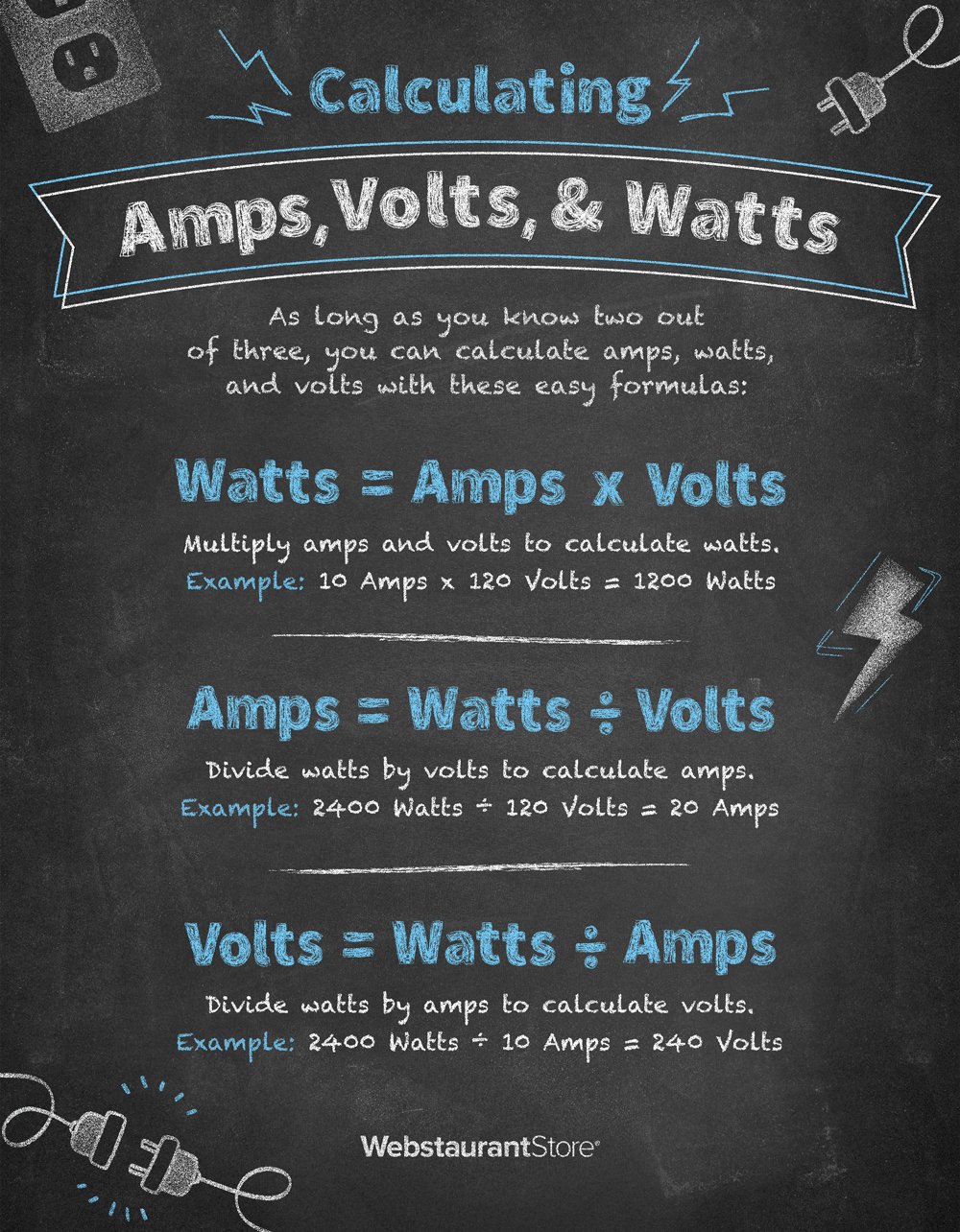
Alright, strap in, buttercups! We're about to dive into one of those super cool, secretly fascinating mysteries of the electrical world that sounds utterly boring until you actually get into it. Forget dusty textbooks and sleepy lectures; we’re talking about the epic showdown between two titans: Watts and Volt-Amps! Are they the same? Are they different? Let’s unmask these electrical superheroes, or maybe super-villains, with a little pizzazz!
The Case of the Mysterious Volt-Amp (VA)
First up, meet the magnificent Volt-Amp, often lovingly abbreviated as VA. Think of VA as the electrical circuit’s total capacity, its raw potential, its "could-be" power. It’s like the maximum number of seats in a stadium, whether they’re filled or not.
Imagine you're at a grand buffet. The Volt-Amp is the size of your plate – glorious, vast, ready to hold all the deliciousness. It represents the total electrical power that could flow, the overall electrical "oomph" available from a source. So, if a device needs a certain VA, that’s the maximum amount of electrical pressure (volts) multiplied by the current (amps) it’s going to ask for, theoretically speaking.
Must Read
It’s the circuit’s potential, its big, bold promise of power. The power company often measures and charges you based on the VA capacity they need to supply to your home, even if you don't use it all for actual work. More on that juicy bit later!
Enter the Mighty Watt (W)
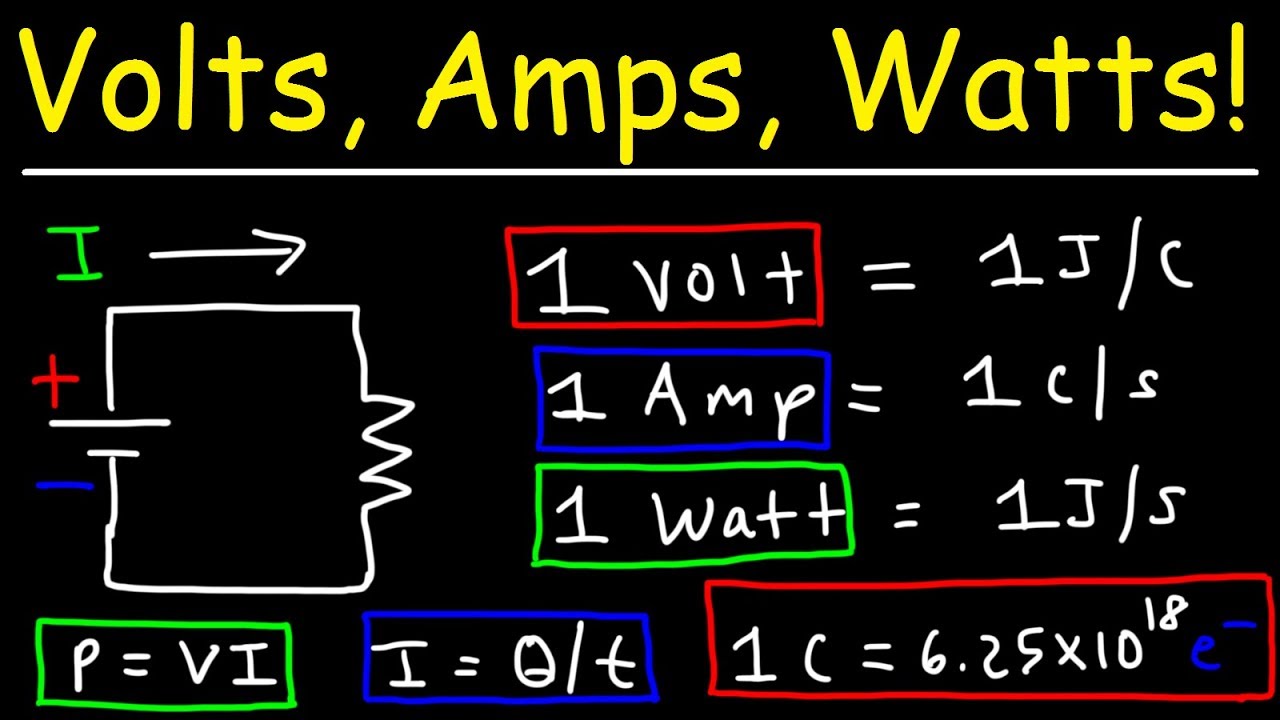
Now, let’s roll out the red carpet for the magnificent Watt, universally shortened to W. This is the superstar! The Watt is the real deal, the workhorse, the actual power that gets things done. If VA is the grand potential, Watts are the glorious results.
Back to our buffet. If VA was the size of your plate, then Watts are the actual amount of food you managed to pile onto it and, more importantly, eat. It's the power that lights up your bulbs, spins your blender, or charges your phone. It's the energy that transforms into heat, light, or mechanical motion – the stuff you can feel and see doing work!

When you look at your electricity bill, the part that makes your wallet weep (or sigh contentedly, depending on your energy habits) is typically measured in kilowatt-hours (kWh). A kilowatt is just a thousand Watts, showing that the Watt is king when it comes to actual energy consumption. It’s the power that truly matters for getting tasks accomplished.
The Big Question: How Many Watts In A Volt Amp? The Plot Thickens!
So, are they the same? Is one Watt always equal to one Volt-Amp? Drumroll, please… sometimes, but not always! And that, my friends, is where the fun begins. It’s like asking if a "slice of pizza" is the same as "pizza." Well, yes, but also, what about the crust?
In a perfect, theoretical world, especially with very simple electrical devices like old-school incandescent light bulbs or toaster ovens (which are mostly just resistors), Watts and Volt-Amps are practically identical. It's a beautiful, harmonious 1:1 relationship, a true electrical love story. Every bit of potential power (VA) is converted directly into useful work (Watts).
But the modern electrical world is a wilder, more complex place! Most of our gadgets and gizmos, from our mighty refrigerators to our sleek laptops, aren't so simple. They have motors, capacitors, and all sorts of clever components that introduce a little electrical "wiggle room."
The Famous Beer Analogy: Foam vs. Fizz!
This is where my absolute favorite analogy comes into play – the glorious beer analogy! It’s the best way to understand the sneaky difference between Watts and Volt-Amps.
Imagine you order a delicious pint of your favorite brew. The bartender hands you a glass filled to the brim. That whole pint glass, the total volume of liquid and foam, is your Volt-Amps (VA). It's what the glass can hold. Now, the actual liquid beer – the part you can actually drink and enjoy – that's your glorious Watts (W)! That's the useful stuff! And the foamy head on top, the part that takes up space but doesn't actually quench your thirst? That, my friends, is the "reactive power" – the part of the VA that isn't doing useful work.
So, you see, the pint glass (VA) might be full, but the amount of actual beer (Watts) can vary depending on how much foam is there. A perfectly poured pint with minimal foam has Watts almost equal to VA. A poorly poured pint, or a super fizzy one, might have a lot of foam, meaning your Watts are significantly less than your VA.
This foam, or "reactive power," isn't entirely useless; it’s just not doing the direct work we associate with Watts. It's busy building magnetic fields in motors or charging capacitors, shuffling energy back and forth without directly performing the primary task. It’s like the electricity is doing a little electrical dance before getting down to business.
The Hero We Need: Power Factor!
To quantify this "foaminess" or how efficiently your device uses the supplied VA to create Watts, we have a superhero: the Power Factor (PF)! The Power Factor is a number, usually between 0 and 1, that tells you how much of the total apparent power (VA) is actually being converted into real, working power (Watts).

Think of the Power Factor as the beer pouring expert. A Power Factor close to 1 means you have a great pour, almost all beer, very little foam – your Watts are nearly equal to your VA. A low Power Factor (closer to 0) means lots of foam, and your Watts are significantly less than your VA. More wasted space in the glass!
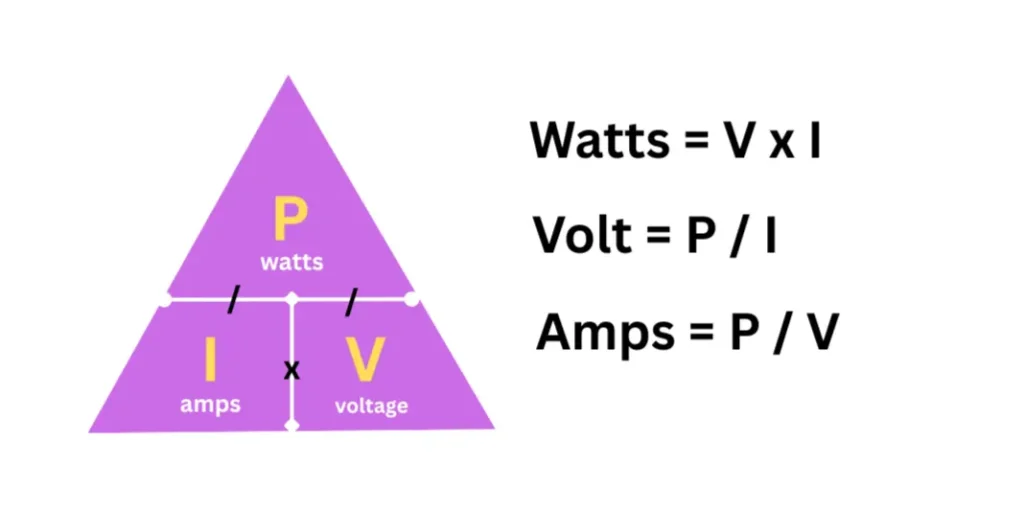
So, the magic formula is delightfully simple: Watts = Volt-Amps × Power Factor. Boom! The mystery is solved! If your Power Factor is 0.8, then your Watts will be 80% of your Volt-Amps. If it’s 0.5, then your Watts are only half of your Volt-Amps.
This is why electrical engineers and electricians often get excited (or frustrated!) about Power Factor correction. Improving the Power Factor means you get more bang for your buck, more actual work (Watts) for the same supplied capacity (VA). It's about making your electrical system more efficient and less "foamy."
Why Does This Even Matter To Me, The Everyday Marvel?
You might be thinking, "This is all fascinating beer talk, but how does it affect my quest for the perfect grilled cheese?" Well, it matters in a few key places! For instance, when you're buying an Uninterruptible Power Supply (UPS) for your computer or home entertainment system, you'll often see ratings in both VA and Watts.
The VA rating tells you the total capacity the UPS can handle from a wiring perspective, how much "potential" current it can deliver. The Watt rating tells you how much actual equipment power it can support, how many devices it can truly keep running in a blackout. You want to size your UPS based on the Watts your devices actually consume, but also ensure the VA rating is high enough to handle the total "apparent" load.
Also, big industrial facilities often get charged by their utility companies based on both the Watts they consume and their Power Factor (or the reactive power they draw). A poor Power Factor means the utility has to supply more total current (higher VA) to deliver the same amount of useful power (Watts), which costs them more in infrastructure. So, they'll often slap a penalty on businesses with a low Power Factor. It's the electrical equivalent of charging you extra for all that foam!
Even in your home, understanding this helps you appreciate the engineering that goes into making our appliances more efficient. A device with a high Power Factor is generally a happier, more efficient device, making the most of the electricity it draws. It's not just about energy saving, but also about the quality of the power it consumes.
The Grand Finale: A Harmonious Understanding!
So, the next time you hear someone casually mention Watts or Volt-Amps, you can flash them a knowing smile. You’re now in on the secret! You know that Volt-Amps represent the total electrical "budget" or capacity, like the size of your potential feast.
And Watts are the glorious, tangible results, the actual delicious food on your plate that gets consumed and enjoyed. The difference? It’s all thanks to the fantastic phenomenon of Power Factor, the efficiency wizard that tells us how much real work is being done. May your Watts always be plentiful and your electrical foam minimal!